Explaining paintings on Instagram: "Café Terrace at Night (1888)
By Vincent van Gogh
📍 Kröller-Müller Museum, Netherlands
“Now I understand why people spend hours staring at the same painting in museums.”
At first glance, it looks like a beautiful, vibr
139K likes, 853 comments - explainingpaintings on April 21, 2026: "Café Terrace at Night (1888)
By Vincent van Gogh
📍 Kröller-Müller Museum, Netherlands
“Now I understand why people spend hours staring at the same painting in museums.”
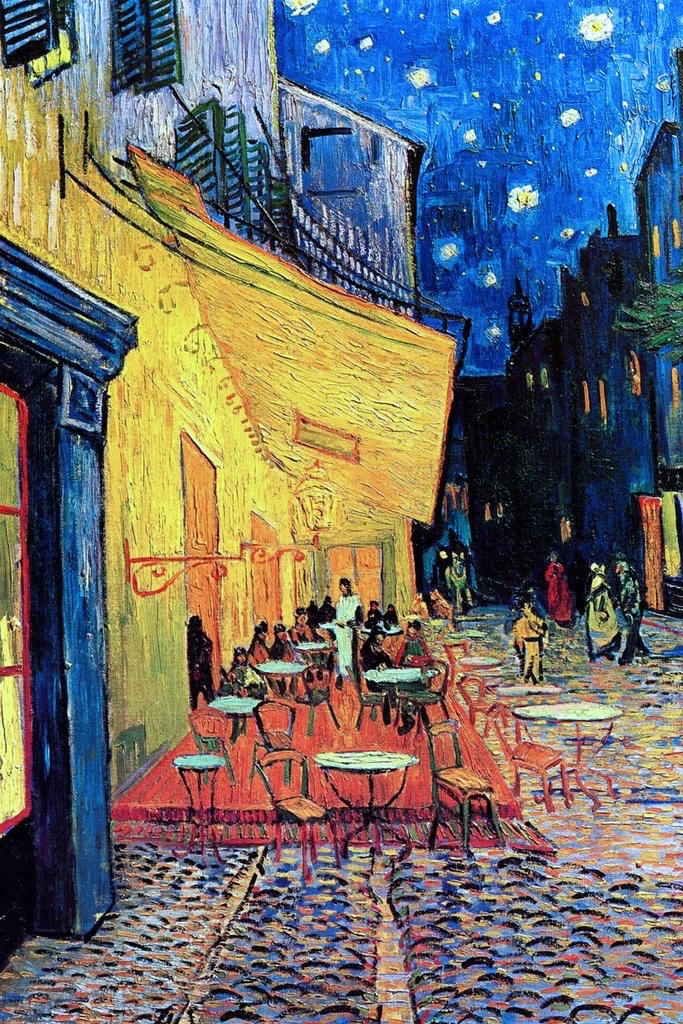
At first glance, it looks like a beautiful, vibrant depiction of a French café on a warm evening. This was the very first time Van Gogh ever painted his iconic starry sky, and it feels like a simple, peaceful snapshot of everyday nightlife in Arles. It is one of the most famous and recognizable terraces in the art world, celebrated purely for its glowing colors and relaxed atmosphere.
But look closely at the waiter standing in the center, and count the exact number of people sitting around him.
The fascinating truth is that this isn’t just a painting of a café; many art historians believe it is Van Gogh’s secret, modern version of The Last Supper. In the exact center stands the waiter, dressed in a white tunic with long hair, acting as the figure of Jesus. If you look directly behind him, the wooden framing of the glowing window forms a perfect cross. And the people sitting at the tables? There are exactly twelve of them—representing the twelve disciples.
The real psychological weight of the painting is found slipping into the shadows. On the far left side of the terrace, a dark, shadowy figure is quickly walking away from the light, fleeing into the darkness. This is Judas, the traitor, leaving the supper right before the ultimate tragedy. At the time he painted this, Van Gogh was deeply troubled and wrote to his brother: “I have a terrible need for... religion, so I go out and paint stars.” Unable to find peace in traditional churches, he poured his profound faith into an ordinary street scene.
Art doesn’t lie. It captures the exact second a lonely artist turns a noisy, crowded café into a deeply personal sanctuary, proving that the most profound spiritual meanings are often hidden right in front of us, disguised as everyday life.
👉 Follow @explainingpaintings to uncover the hidden stories and raw human emotions behind the world’s most moving masterpieces.".
Instagram





Comments (0)
Sign in to join the conversation
No comments yet. Be the first to share your thoughts!