How to not be the self accidentally formed in childhood?

This truly is an amazing retreat, on the topic Living the Transformation, at DV Homes in Malaysia. Master Vimal said so himself today. Already on the third day, he said that he can share this very deep understanding with us and that we can follow it. He said it’s almost like a miracle. In time, the understanding will kick in, and you will transform.
I was feeling a little bit better today, a bit more open to being corrected. And I’ve learned before from the Guru that unless I am open to there being more — that there is a possibility of growing and that I am willing to be corrected — there is no point in sitting with him.
This morning, that possibility felt more alive in me. So when the Guru said, “Yes, Erik, your reality is to be abandoned,” and also said, “Erik, somewhere you made the ‘I’ everything. Somewhere you thought you got it,” it didn’t feel as bad.
I wanted to try to find this core ego in me, and I started digging and struggling. After a few minutes, the Master was kind of just shaking his hand at me, letting me sit there and struggle. And I realized that, once again, the “I” was trying to sort itself out and find the core of the “I”.
So I let go a bit. A few minutes later, the Master turned to me again, because I was still sitting with my question: “But why can I not see this clearly so I can be free of it?” And then he gave me what may be the other side of this.
It’s not just me I’m holding on to. I’m also holding on to and protecting all the people that gave me this sense of self. Other people used me to create the sense of self for themselves.
So he asked me, “Erik, what were you used for when growing up?” And it became clearer to me that there were two main selves. On one side, I had to pretend that my family was perfect, so I had to pretend to be perfect for their sake. And on the other hand, I was quite often abandoned, because they had important jobs and work for society.
Since I have to pretend to be perfect, I won’t grow. And since I feel abandoned, I don’t know how to bond and connect deeply, and I don’t know how to really support or receive support.
And then the Master said, “You know why you cannot be free of this? Because you don’t know how to abandon rightly.”
Abandon rightly, I thought to myself.
Does this mean one cannot just drop the sense of “me” without also dropping the whole reality this sense of self is built on — the idea of ”my” mother and ”my” father, and all the imprints? This limited sense of self may have been a way to survive the childhood reality, but it is now completely dysfunctional.
So I asked the Master, “How does one abandon rightly then?” And he said that it must be up to each one of us to figure that out by ourselves. But he also said that you are actually not abandoning them. You are only abandoning them using you to create evidence for their own sense of self and their own sense of reality.
And the Master concluded this session by saying: ”First you transcend the reality and the self you had to be for your family, and then you transcend the self and the reality of the collective — but you must also know, the pull of the collective is very strong.”
I got the sadhana to do the opposite: to include everyone and everything, and to constantly learn and grow, not pretending to be perfect.
During lunch, I was sitting with an elder gentleman and another young man, and I was asking what it means to not allow the other to use me to create a sense of self for themselves. The Master has said that the other can do whatever they want, but you are not to correct or interfere with them, because the moment you go to the other, it’s all over. It sounded like a paradox. Not allow them, but also not to interfere…?
But during that lunch, I got glimpses of seeing people from my early life as having a reality of themselves inwardly — almost inside their own heads — and that I don’t have to go into that inward looping consciousness. I could just stay outside. And then it happened for real during the lunch.
For periods of time, I was independently being. No matter what the others were talking about, or what was going on inside them, I was independently being. I am. And when I fell to a reflective self it seemed like my own doing, contracting my being into a loop while probably furrowing my brow into a stormy ocean of wrinkles.
The I am was not fully embodied — there are likely many depths to this — but it was like a small light of awareness, aware of itself in the prefrontal cortex. And in that, I was not putting on a self to fit in with the others — Erik the Smart, Erik the Perfect, nothing like that.
Since I was holding that independent state of being, it didn’t matter what they were doing. And there was no interest from my side to change them, or to go into their story, because none of that would change my state of being.
This felt like a synthesis and a simplification. A small breakthrough in the sadhana of disproving myself — the Erik that is limiting me and never being a blessing to anyone. It was a happy discovery. I love my parents, they are good people and trust they did the best they could. But for me to live my heart out I cannot be limited to the Erik who grew up with them, so I pray to learn to abandon them rightly - in the highest respect while still caring for and loving them.
Finally, there was also something slightly scary that the Guru said to the whole class, while using me as an example. He said that Erik is conditioned to be abandoned and to abandon, and to pretend that he is perfect. And that when this conditioning is challenged, Erik’s brain interprets it as a threat to survival — as if going against his parents’ conditioning means that he will die.
That explains why it sometimes is so scary for me to sit with the Master.
I was feeling a little bit better today, a bit more open to being corrected. And I’ve learned before from the Guru that unless I am open to there being more — that there is a possibility of growing and that I am willing to be corrected — there is no point in sitting with him.
This morning, that possibility felt more alive in me. So when the Guru said, “Yes, Erik, your reality is to be abandoned,” and also said, “Erik, somewhere you made the ‘I’ everything. Somewhere you thought you got it,” it didn’t feel as bad.
I wanted to try to find this core ego in me, and I started digging and struggling. After a few minutes, the Master was kind of just shaking his hand at me, letting me sit there and struggle. And I realized that, once again, the “I” was trying to sort itself out and find the core of the “I”.
So I let go a bit. A few minutes later, the Master turned to me again, because I was still sitting with my question: “But why can I not see this clearly so I can be free of it?” And then he gave me what may be the other side of this.
It’s not just me I’m holding on to. I’m also holding on to and protecting all the people that gave me this sense of self. Other people used me to create the sense of self for themselves.
So he asked me, “Erik, what were you used for when growing up?” And it became clearer to me that there were two main selves. On one side, I had to pretend that my family was perfect, so I had to pretend to be perfect for their sake. And on the other hand, I was quite often abandoned, because they had important jobs and work for society.
Since I have to pretend to be perfect, I won’t grow. And since I feel abandoned, I don’t know how to bond and connect deeply, and I don’t know how to really support or receive support.
And then the Master said, “You know why you cannot be free of this? Because you don’t know how to abandon rightly.”
Abandon rightly, I thought to myself.
Does this mean one cannot just drop the sense of “me” without also dropping the whole reality this sense of self is built on — the idea of ”my” mother and ”my” father, and all the imprints? This limited sense of self may have been a way to survive the childhood reality, but it is now completely dysfunctional.
So I asked the Master, “How does one abandon rightly then?” And he said that it must be up to each one of us to figure that out by ourselves. But he also said that you are actually not abandoning them. You are only abandoning them using you to create evidence for their own sense of self and their own sense of reality.
And the Master concluded this session by saying: ”First you transcend the reality and the self you had to be for your family, and then you transcend the self and the reality of the collective — but you must also know, the pull of the collective is very strong.”
I got the sadhana to do the opposite: to include everyone and everything, and to constantly learn and grow, not pretending to be perfect.
During lunch, I was sitting with an elder gentleman and another young man, and I was asking what it means to not allow the other to use me to create a sense of self for themselves. The Master has said that the other can do whatever they want, but you are not to correct or interfere with them, because the moment you go to the other, it’s all over. It sounded like a paradox. Not allow them, but also not to interfere…?
But during that lunch, I got glimpses of seeing people from my early life as having a reality of themselves inwardly — almost inside their own heads — and that I don’t have to go into that inward looping consciousness. I could just stay outside. And then it happened for real during the lunch.
For periods of time, I was independently being. No matter what the others were talking about, or what was going on inside them, I was independently being. I am. And when I fell to a reflective self it seemed like my own doing, contracting my being into a loop while probably furrowing my brow into a stormy ocean of wrinkles.
The I am was not fully embodied — there are likely many depths to this — but it was like a small light of awareness, aware of itself in the prefrontal cortex. And in that, I was not putting on a self to fit in with the others — Erik the Smart, Erik the Perfect, nothing like that.
Since I was holding that independent state of being, it didn’t matter what they were doing. And there was no interest from my side to change them, or to go into their story, because none of that would change my state of being.
This felt like a synthesis and a simplification. A small breakthrough in the sadhana of disproving myself — the Erik that is limiting me and never being a blessing to anyone. It was a happy discovery. I love my parents, they are good people and trust they did the best they could. But for me to live my heart out I cannot be limited to the Erik who grew up with them, so I pray to learn to abandon them rightly - in the highest respect while still caring for and loving them.
Finally, there was also something slightly scary that the Guru said to the whole class, while using me as an example. He said that Erik is conditioned to be abandoned and to abandon, and to pretend that he is perfect. And that when this conditioning is challenged, Erik’s brain interprets it as a threat to survival — as if going against his parents’ conditioning means that he will die.
That explains why it sometimes is so scary for me to sit with the Master.
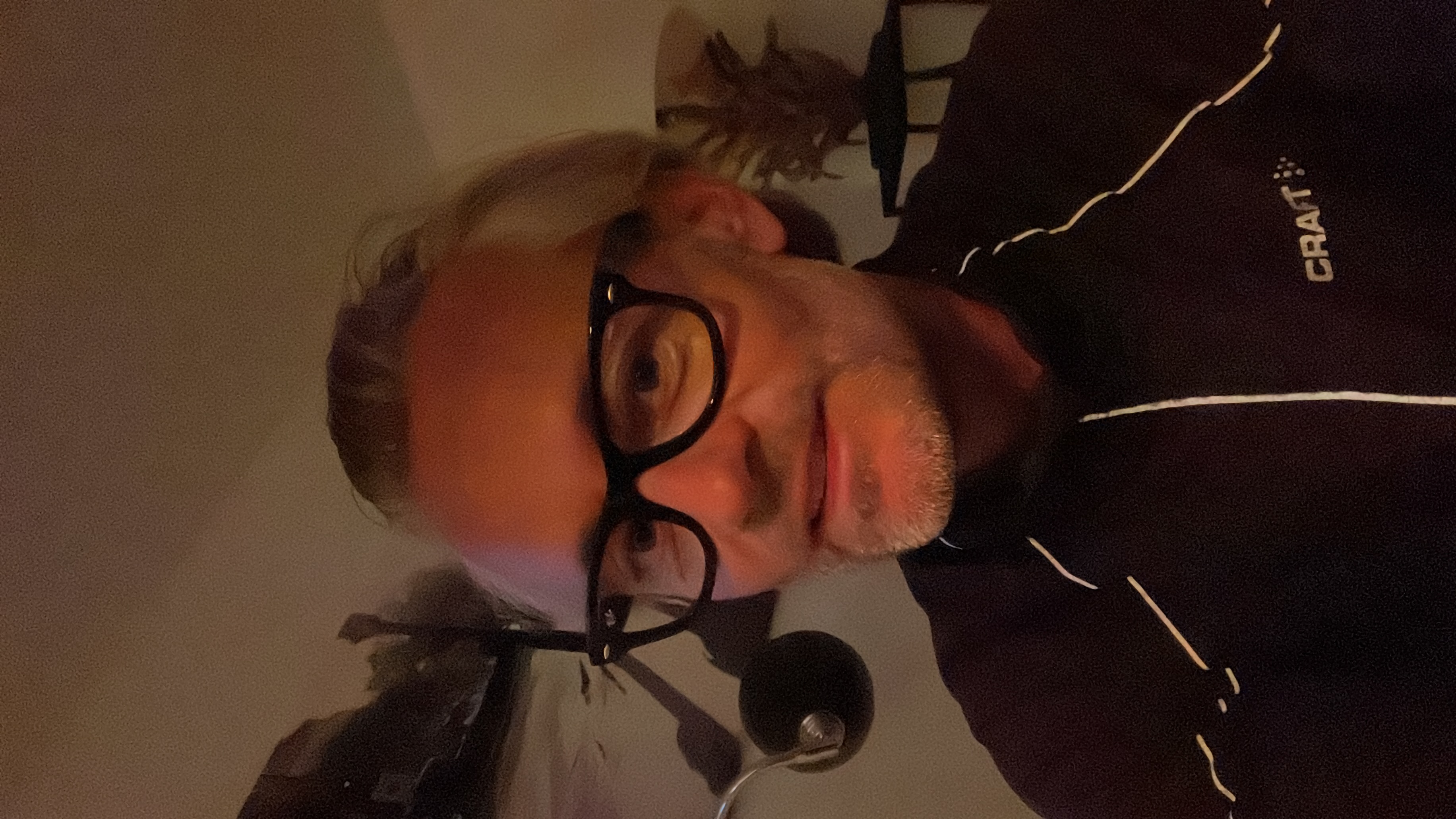
by Erik Soham
• 6 months, 1 week ago



Comments (2)
Sign in to join the conversation
Enjoyed it very much. The personal insights helped to see a flow. Learning by reading🙏
Thank you so much for this sharing. 🙏🏼It’s very helpful, your insight and experience helps me see / understand something too 🙏🏼💞🔥