Still believing I can get away with it?

It was morning on day five of the transformation retreat, and Master was holding an official talk in the hall after our morning meditation and an energizing 20-minute celebration.
“Samadhi is often mistaken for enlightenment. According to me, it’s the necessary state for enlightenment to happen. What is samadhi? A state when you never escape your transformation.”
“First we get to that state of transformation, then you are. You may feel lonely; it’s just a feeling. And then desire for freedom and many other things will happen”
Does it mean that aloneness has nothing to do with feeling lonely—that true aloneness has nothing to do with loneliness at all?
Another important point seems to be that the desire for freedom cannot exist before we are in the state of transformation. Does it mean that all longing for freedom, and all hoping for freedom in our normal state, is simply an attempt to get away from where we are—to get away from what is? In that case, it would only make the reality of the prison more real.
This sounds as if we first have to get a glimpse of the more, of the light, before we can actually begin longing for real freedom.
“When the sweet sugarcane starts tasting bitter. Why you can’t see the ego that tastes sweet —maybe you are not allowed to, maybe you don’t want to. Be sensitive to how you affect people. Investigate how other people see you. You must find the why, why are you doing this work. Is your laughter real?”
Here the Master switched around the famous quote about the sugarcane. Normally, he says that when the bitter sugarcane starts tasting sweet, that is when the highest is there. But here he said the opposite: when the sweet starts tasting bitter.
Is this the moment when the high of ego—the kick we are currently making the most important thing in life—starts tasting bitter? Only then might we finally turn around and begin moving consciously toward the light.
But why can’t I see the core ego? Master says this has to be investigated. Maybe I don’t want to. And we also have to pay attention to the other—to how we affect people. We have to find the reason why we are doing this.
“First, what is the transformation you need to live out. Second, what is the bigger transformation I am a part of. What’s the person you need to be?”
Here transformation was divided into two parts. Perhaps personal transformation cannot be properly understood unless we also see how it fits into a bigger transformation. For example, the Nirvan Method is part of the Master’s work. And what is the Master’s work, really? Isn’t it also to show the truth of humanity to humanity—to liberate humanity from the lies that are so widespread?
So the question becomes: what is the person we need to be to fit into that? Maybe transformation requires becoming someone who does not support lies. Maybe, on a very real level, it requires transforming into someone who is relentlessly seeking to be truthful—to oneself, to the other, and to the whole.
It was getting late after yet another intense day, and we were gathered in the hall to listen to the guru again.
“There must not be fear to be condemned to witness the self. Then you won’t dare to look. There must be faith in transformation.”
So often the Master tells us, when he is correcting us, that he is not condemning. Yet it can feel like condemnation. But what is condemnation, really? Isn’t it judging and, at the same time, implying that there is no way out?
The Master is not doing that, is he? He is always pointing toward a way out—helping us see the light within the darkness. So maybe we need to truly understand what condemnation is and looks like, and never do it—to ourselves or to another. Because if we are not condemned, then perhaps it will not be so frightening to fail. There is always the possibility to learn, to adjust, and to transform.
“You need to see the light, for yourself. A satori to guide you. Before that, we cannot start for real. And for this, you must also dare to go into the darkness, with the faith that you will find the light.”
The Master concluded the night in the hall. A new angle appeared: could it be that we cannot see the light because we are still holding on to the darkness—still defending the darkness, the lies?
What are the key egos, the key darknesses? For me one of them is pretending that “there is only me,” and another trying to cheat—thinking I can somehow escape transformation, escape the “more,” and still get away with it.
Could it be that the light can truly show itself only if we sincerely and with determination enter this darkness, and honestly ask: what will our life be if this darkness does not change? Won’t we keep looping, as we have for most of our life, with nothing truly coming out of it—failing to give what we came here to give, and missing liberation altogether? Shouldn’t that be motivation enough to really stop doing what I am doing?
“Samadhi is often mistaken for enlightenment. According to me, it’s the necessary state for enlightenment to happen. What is samadhi? A state when you never escape your transformation.”
“First we get to that state of transformation, then you are. You may feel lonely; it’s just a feeling. And then desire for freedom and many other things will happen”
Does it mean that aloneness has nothing to do with feeling lonely—that true aloneness has nothing to do with loneliness at all?
Another important point seems to be that the desire for freedom cannot exist before we are in the state of transformation. Does it mean that all longing for freedom, and all hoping for freedom in our normal state, is simply an attempt to get away from where we are—to get away from what is? In that case, it would only make the reality of the prison more real.
This sounds as if we first have to get a glimpse of the more, of the light, before we can actually begin longing for real freedom.
“When the sweet sugarcane starts tasting bitter. Why you can’t see the ego that tastes sweet —maybe you are not allowed to, maybe you don’t want to. Be sensitive to how you affect people. Investigate how other people see you. You must find the why, why are you doing this work. Is your laughter real?”
Here the Master switched around the famous quote about the sugarcane. Normally, he says that when the bitter sugarcane starts tasting sweet, that is when the highest is there. But here he said the opposite: when the sweet starts tasting bitter.
Is this the moment when the high of ego—the kick we are currently making the most important thing in life—starts tasting bitter? Only then might we finally turn around and begin moving consciously toward the light.
But why can’t I see the core ego? Master says this has to be investigated. Maybe I don’t want to. And we also have to pay attention to the other—to how we affect people. We have to find the reason why we are doing this.
“First, what is the transformation you need to live out. Second, what is the bigger transformation I am a part of. What’s the person you need to be?”
Here transformation was divided into two parts. Perhaps personal transformation cannot be properly understood unless we also see how it fits into a bigger transformation. For example, the Nirvan Method is part of the Master’s work. And what is the Master’s work, really? Isn’t it also to show the truth of humanity to humanity—to liberate humanity from the lies that are so widespread?
So the question becomes: what is the person we need to be to fit into that? Maybe transformation requires becoming someone who does not support lies. Maybe, on a very real level, it requires transforming into someone who is relentlessly seeking to be truthful—to oneself, to the other, and to the whole.
It was getting late after yet another intense day, and we were gathered in the hall to listen to the guru again.
“There must not be fear to be condemned to witness the self. Then you won’t dare to look. There must be faith in transformation.”
So often the Master tells us, when he is correcting us, that he is not condemning. Yet it can feel like condemnation. But what is condemnation, really? Isn’t it judging and, at the same time, implying that there is no way out?
The Master is not doing that, is he? He is always pointing toward a way out—helping us see the light within the darkness. So maybe we need to truly understand what condemnation is and looks like, and never do it—to ourselves or to another. Because if we are not condemned, then perhaps it will not be so frightening to fail. There is always the possibility to learn, to adjust, and to transform.
“You need to see the light, for yourself. A satori to guide you. Before that, we cannot start for real. And for this, you must also dare to go into the darkness, with the faith that you will find the light.”
The Master concluded the night in the hall. A new angle appeared: could it be that we cannot see the light because we are still holding on to the darkness—still defending the darkness, the lies?
What are the key egos, the key darknesses? For me one of them is pretending that “there is only me,” and another trying to cheat—thinking I can somehow escape transformation, escape the “more,” and still get away with it.
Could it be that the light can truly show itself only if we sincerely and with determination enter this darkness, and honestly ask: what will our life be if this darkness does not change? Won’t we keep looping, as we have for most of our life, with nothing truly coming out of it—failing to give what we came here to give, and missing liberation altogether? Shouldn’t that be motivation enough to really stop doing what I am doing?
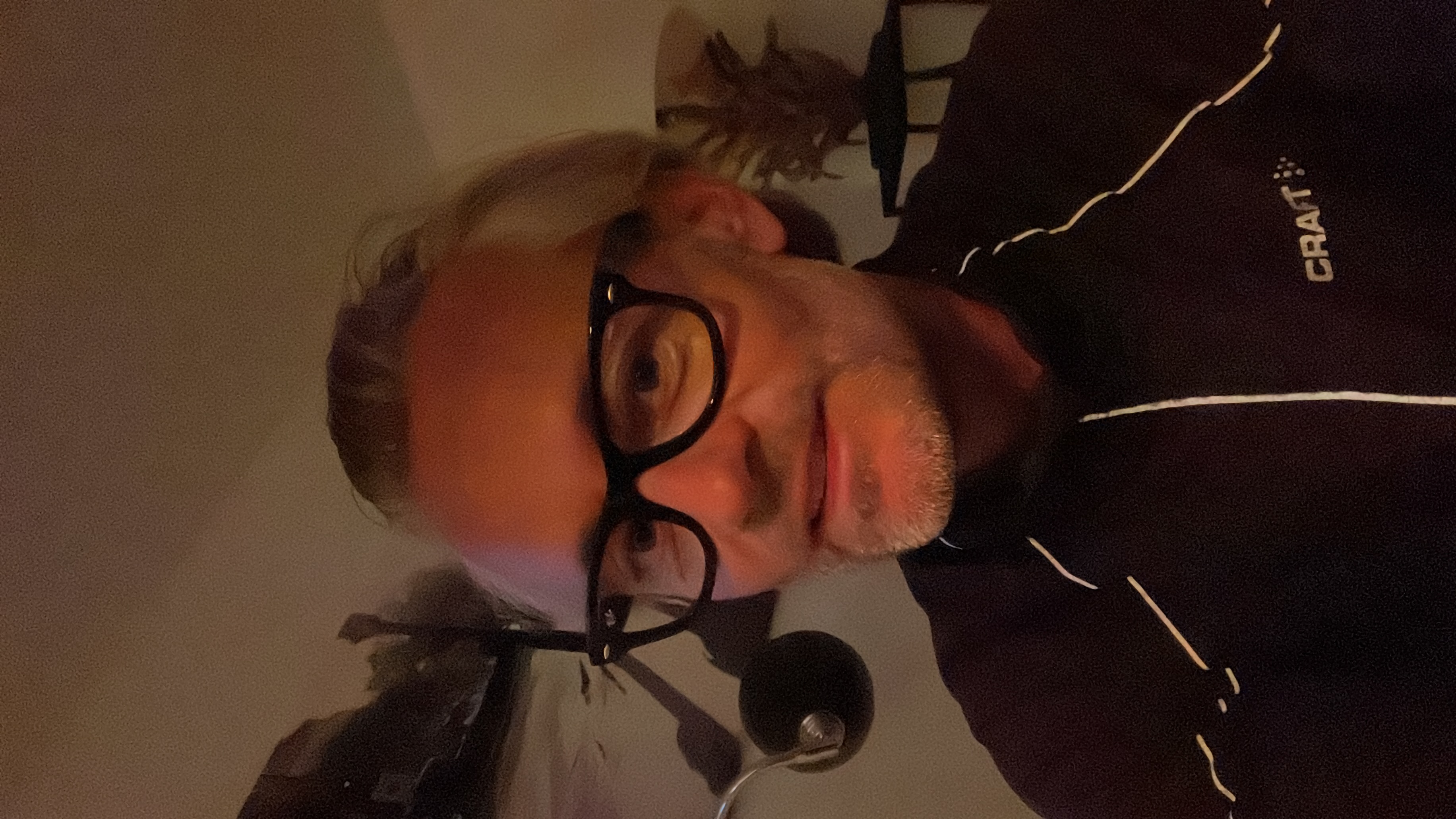
by Erik Soham
• 6 months, 1 week ago



Comments (0)
Sign in to join the conversation
No comments yet. Be the first to share your thoughts!