Sitting with people - Maria, Jude and Chet teachers on the path?
It has been a year now since Master asked me "what I do" with the people I work with in my profession as a psychiatric nurse and I answered something to the effect that" sometimes all I can do is sit silently with them." Silence was a treatment modality when I did my nurses training and I think it has been for me professionally and personally one of the most effective ways of communication.
I began trying to understand how to communicate with patient's without words when I watched the distress of a woman who had PTSD from being in a concentration camp and dementia, she had lost her English and only mumbled in German. I was about a year into my practice. I would give the medications to "sedate her" they seldom worked. I decided to sit, hold her hand , let her cry, walk beside her when she paced. Her distress was palpable. Thank-you Maria. I learned something called "Therapeutic Touch" and now realized it was a way of calming the field.
Maria also gave me the gift of curiosity. I began to ask - Why don't people get better? Why doesn't what we are taught help them?
I knew I could just sit with them, walk with them, drink a coffee with them in silence and something did work, for a time, and sometimes a long time.
Fast forwarding to returning from DV Home and the retreat this spring I am now observing myself with the patients who come into the emergency department, be they there for a psychiatric, substance use or other issue. I now try to set an entry to the interaction, so I am observing myself being with them as a human being. I have always tried to not see people as a diagnosis, however, I need to help identify if there is a diagnosis - I now have come to understand that I am not "putting that on them" . When a diagnosis is the forefront the human can be lost.
In dividing the diagnosis and the person into separate yet dual things initially I get more clarity of what is - What's going on for them.
In the past two weeks a transgendered youth I will call Jude came into the emergency department, pronoun preference she. She was thin, dirty, frightened, and also identifying as neurodivergent. It is not often someone who has the horrific history she has is a kind and gentle despite the terror of being neglected or hurt again.
The doctor came to me and said, "she's all yours, there is nothing really wrong with her today, it is social issues. Adding, "You can smell her down the hall." Yes you could.
Jude sat in the room with her shawls draped on the chair, so thin, so dirty and so aware, so much light despite all of what life has put her humanness through.
I sat with her and listened to her story. Wanted to work - can't get a job if she is so unkempt. Wants housing - same thing, who will house you if you are dirty. Sleeping in a car, peeing in a bottle and it spilled on her clothing, bedding and no money to go to a laundromat. I sat in silence with her, she settled. She is already connected to a youth service.
I sit and breathe, she's just so pure - shunned by wanting to ask and explore big questions " What is love?" . I really breath after this part of her story.
We sit in silence a while.
I don't have much I can do. Keep sitting, keep breathing. Get her breakfast.
Go and sit by myself for a bit.
I offer to wash her clothing, her bedding and let her use the shower in the emergency department. ( This is something that the Emerg Nurses I work with won't do as it makes us a place people will come for a shower.)
I ask Jude if she would allow me to wash her clothing, and if she would bring her bedding in from the car, and if she would like to use the shower.
I am met with silence. I am silent.
Then I give her some bags, and send her to get the soiled things.
We have a big industrial washer and drier.
I packed some body wipes, a waterless shampoo cap, food and toothpaste to help her stay fresh to go to her interviews, get some housing.
I observed how in that silence, and through breath and presence there is ABC, with the C growing as we both were able to see each other as a person, not a role, not a nurse and a patient. And also a parallel ABC in which we saw each other in our respective worldly roles in the context of the hospital.
While I was out and about with my best friend for a "Sister Day" a few weeks ago in a small town about 45 minutes away I got a lesson on how people/patients 15 years later see me and how I have seen them.
We are out "thrifting" for some garden project. There is a younger man in the store who looks familiar to me. He is unkempt and appears likely to be homeless. He approaches me and I speak with him briefly asking him what he is looking for - basic " chit chat" and then wishing him a good day. I see him and acknowledge him. There is a familiarity but I can't place him. I see so many people as a nurse I don't always remember everyone like I once did... I laugh to myself - his name will likely drop in tomorrow. I never ask in a public place if I know someone from the hospital.
We move next door to the next thrift store and eventually, there is the young man. He sees me and comes over and asks "How are the people at Mental Health? Do you remember me? My name is Chet." He remembered I had been the team leader when he received services from that team. The penny dropped as I recalled the interactions with him as I had been his case manager at one time almost 20 years ago. He explained his trajectory of stopping his medications and losing his housing and showed some insight into how alcohol dependency influenced his choices. We stood at the back of the store, and I was silent while he told his story. He is simple and gentle person, still how I always saw him. I observed how the silence and space allowed the real Chet to be there as a person, not being stared at because he was unkempt.
I learned that there is a long lasting impact on the sitting silently with someone. Chet seldom had much to say, the schizophrenia he has had him very withdrawn back in those days. Yet all these years later he feels safe enough to talk to me and acknowledge me. An ABC in the silence creating a lasting C between the two of us.
I began trying to understand how to communicate with patient's without words when I watched the distress of a woman who had PTSD from being in a concentration camp and dementia, she had lost her English and only mumbled in German. I was about a year into my practice. I would give the medications to "sedate her" they seldom worked. I decided to sit, hold her hand , let her cry, walk beside her when she paced. Her distress was palpable. Thank-you Maria. I learned something called "Therapeutic Touch" and now realized it was a way of calming the field.
Maria also gave me the gift of curiosity. I began to ask - Why don't people get better? Why doesn't what we are taught help them?
I knew I could just sit with them, walk with them, drink a coffee with them in silence and something did work, for a time, and sometimes a long time.
Fast forwarding to returning from DV Home and the retreat this spring I am now observing myself with the patients who come into the emergency department, be they there for a psychiatric, substance use or other issue. I now try to set an entry to the interaction, so I am observing myself being with them as a human being. I have always tried to not see people as a diagnosis, however, I need to help identify if there is a diagnosis - I now have come to understand that I am not "putting that on them" . When a diagnosis is the forefront the human can be lost.
In dividing the diagnosis and the person into separate yet dual things initially I get more clarity of what is - What's going on for them.
In the past two weeks a transgendered youth I will call Jude came into the emergency department, pronoun preference she. She was thin, dirty, frightened, and also identifying as neurodivergent. It is not often someone who has the horrific history she has is a kind and gentle despite the terror of being neglected or hurt again.
The doctor came to me and said, "she's all yours, there is nothing really wrong with her today, it is social issues. Adding, "You can smell her down the hall." Yes you could.
Jude sat in the room with her shawls draped on the chair, so thin, so dirty and so aware, so much light despite all of what life has put her humanness through.
I sat with her and listened to her story. Wanted to work - can't get a job if she is so unkempt. Wants housing - same thing, who will house you if you are dirty. Sleeping in a car, peeing in a bottle and it spilled on her clothing, bedding and no money to go to a laundromat. I sat in silence with her, she settled. She is already connected to a youth service.
I sit and breathe, she's just so pure - shunned by wanting to ask and explore big questions " What is love?" . I really breath after this part of her story.
We sit in silence a while.
I don't have much I can do. Keep sitting, keep breathing. Get her breakfast.
Go and sit by myself for a bit.
I offer to wash her clothing, her bedding and let her use the shower in the emergency department. ( This is something that the Emerg Nurses I work with won't do as it makes us a place people will come for a shower.)
I ask Jude if she would allow me to wash her clothing, and if she would bring her bedding in from the car, and if she would like to use the shower.
I am met with silence. I am silent.
Then I give her some bags, and send her to get the soiled things.
We have a big industrial washer and drier.
I packed some body wipes, a waterless shampoo cap, food and toothpaste to help her stay fresh to go to her interviews, get some housing.
I observed how in that silence, and through breath and presence there is ABC, with the C growing as we both were able to see each other as a person, not a role, not a nurse and a patient. And also a parallel ABC in which we saw each other in our respective worldly roles in the context of the hospital.
While I was out and about with my best friend for a "Sister Day" a few weeks ago in a small town about 45 minutes away I got a lesson on how people/patients 15 years later see me and how I have seen them.
We are out "thrifting" for some garden project. There is a younger man in the store who looks familiar to me. He is unkempt and appears likely to be homeless. He approaches me and I speak with him briefly asking him what he is looking for - basic " chit chat" and then wishing him a good day. I see him and acknowledge him. There is a familiarity but I can't place him. I see so many people as a nurse I don't always remember everyone like I once did... I laugh to myself - his name will likely drop in tomorrow. I never ask in a public place if I know someone from the hospital.
We move next door to the next thrift store and eventually, there is the young man. He sees me and comes over and asks "How are the people at Mental Health? Do you remember me? My name is Chet." He remembered I had been the team leader when he received services from that team. The penny dropped as I recalled the interactions with him as I had been his case manager at one time almost 20 years ago. He explained his trajectory of stopping his medications and losing his housing and showed some insight into how alcohol dependency influenced his choices. We stood at the back of the store, and I was silent while he told his story. He is simple and gentle person, still how I always saw him. I observed how the silence and space allowed the real Chet to be there as a person, not being stared at because he was unkempt.
I learned that there is a long lasting impact on the sitting silently with someone. Chet seldom had much to say, the schizophrenia he has had him very withdrawn back in those days. Yet all these years later he feels safe enough to talk to me and acknowledge me. An ABC in the silence creating a lasting C between the two of us.
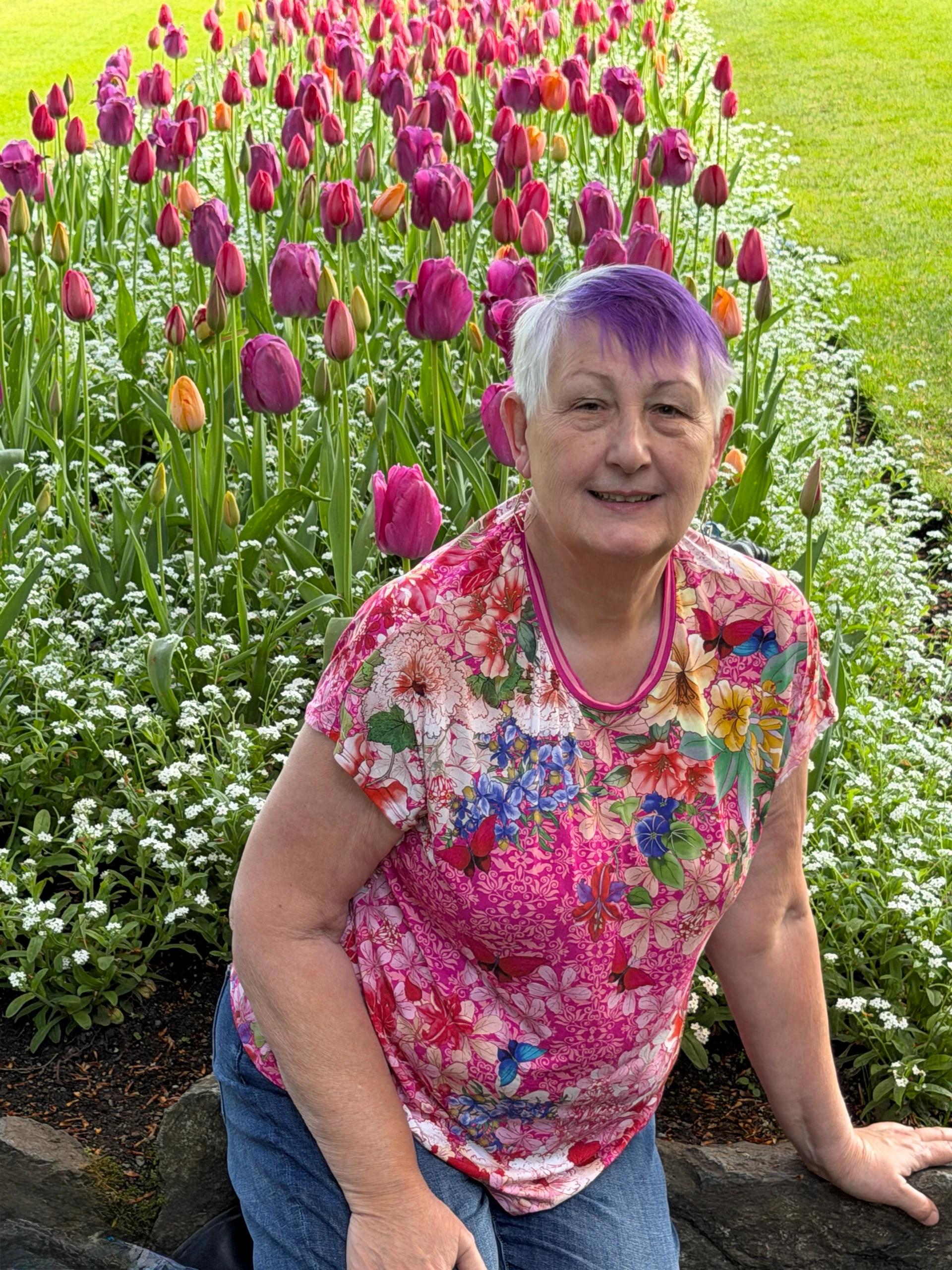
by Karen Sherbina
• 3 months, 1 week ago



Comments (0)
Sign in to join the conversation
No comments yet. Be the first to share your thoughts!