The Hyoid Bone: The Body’s Hidden Gyroscope
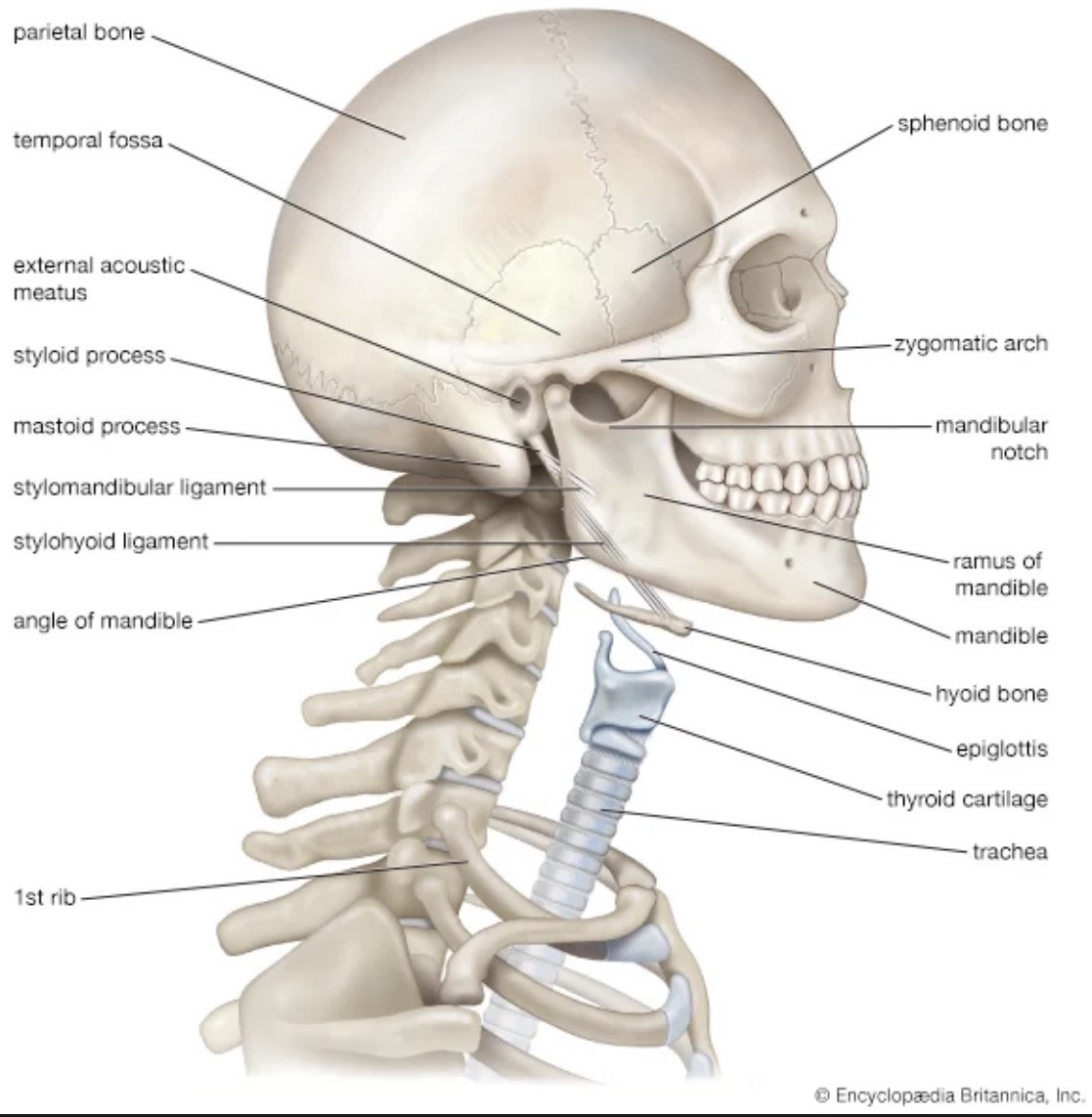
An Anatomical Perspective
There are three bones that behave like gyroscopes in the body. Two sit within the ankle complex. The third is far less discussed, the hyoid bone in the neck.
The hyoid is unique in that it is the only bone in the human body that does not articulate with another bone to form a joint. Instead, it floats, suspended by a web of ligaments and muscles that connect it to the jaw, skull, tongue, throat, and shoulders. It plays a role in speaking, swallowing and breathing. Usually around age 40-60 the bones of the hyoid start fusing, although this can vary.
One of the hyoid’s lesser-known roles is its influence on the whole body's orientation. Functionally, it acts like a gyroscope. When the hyoid rotates, shifts, or becomes elevated on one side, the body often follows.
This imbalance can occur after procedures such as an intubation for surgery, or develop gradually through muscular compensation and habitual tension. Because of its central role in posture, breathing, and neuromuscular coordination, a subtle hyoid restriction can echo throughout the entire system.
If you notice that your body consistently rotates in one direction, or that one side feels perpetually lifted or shortened, it may be worth checking the hyoid bone. Assessing and restoring balance here can help with persistent postural asymmetry.
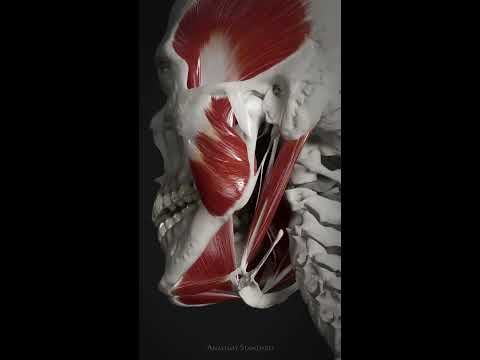
Here is a short animation showing how the jaw interacts with hyoid bone: https://youtube.com/shorts/pEvfKV_2nko?si=qZPyWcJgNvvt2jMo
There are three bones that behave like gyroscopes in the body. Two sit within the ankle complex. The third is far less discussed, the hyoid bone in the neck.
The hyoid is unique in that it is the only bone in the human body that does not articulate with another bone to form a joint. Instead, it floats, suspended by a web of ligaments and muscles that connect it to the jaw, skull, tongue, throat, and shoulders. It plays a role in speaking, swallowing and breathing. Usually around age 40-60 the bones of the hyoid start fusing, although this can vary.
One of the hyoid’s lesser-known roles is its influence on the whole body's orientation. Functionally, it acts like a gyroscope. When the hyoid rotates, shifts, or becomes elevated on one side, the body often follows.
This imbalance can occur after procedures such as an intubation for surgery, or develop gradually through muscular compensation and habitual tension. Because of its central role in posture, breathing, and neuromuscular coordination, a subtle hyoid restriction can echo throughout the entire system.
If you notice that your body consistently rotates in one direction, or that one side feels perpetually lifted or shortened, it may be worth checking the hyoid bone. Assessing and restoring balance here can help with persistent postural asymmetry.
Here is a short animation showing how the jaw interacts with hyoid bone: https://youtube.com/shorts/pEvfKV_2nko?si=qZPyWcJgNvvt2jMo

by Ajna Samadhi
• 6 months, 2 weeks ago



Comments (0)
Sign in to join the conversation
No comments yet. Be the first to share your thoughts!