Wellness Community
Wellness Community

Wellness Community
Led by The Pivot Point

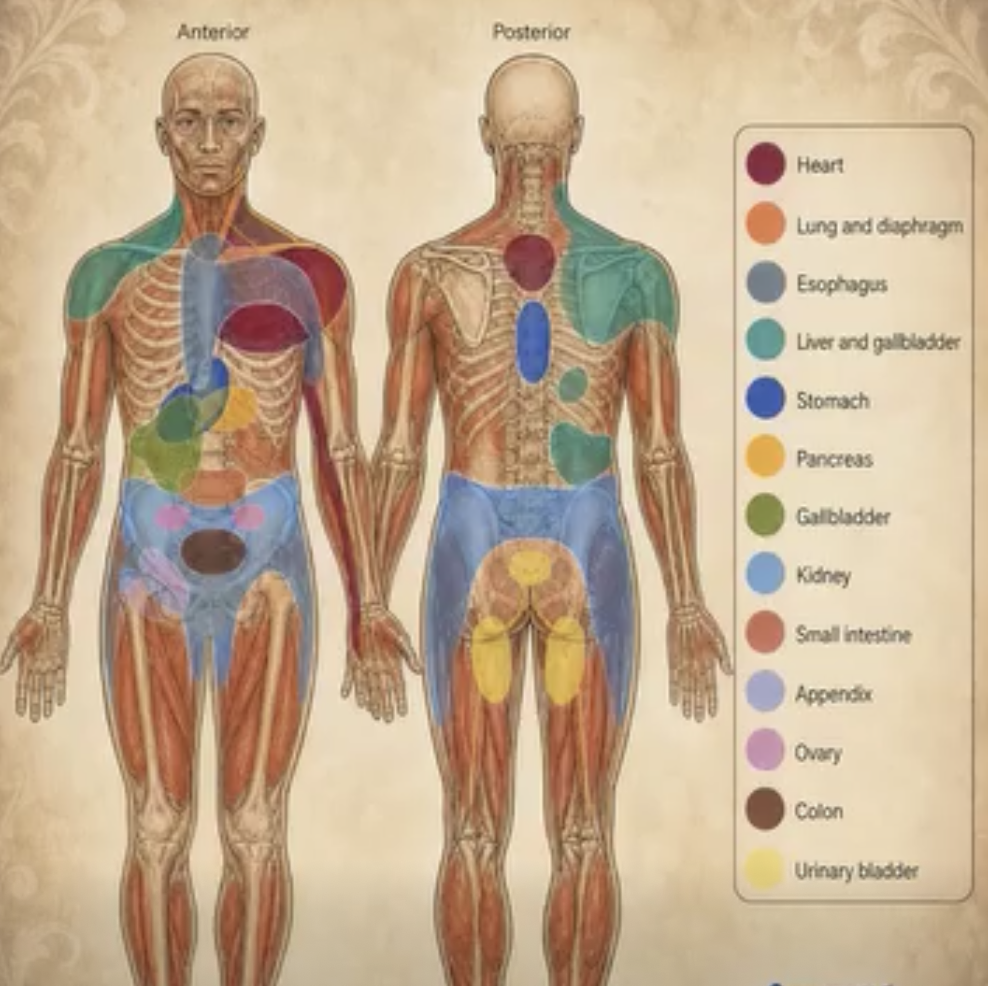
As shown in the image, our internal organs often “refer” pain to completely different areas of the body. For example, restrictions around the Liver can map pain directly to your right shoulder, while stomach tension can manifest as mid-back pain.
When your organs (viscera) lose their natural mobility due to stress, posture, or inflammation, they pull on surrounding connective tissues and send mixed signals to your nervous system.
Each organ can be linked to a particular time of day and an emotion.
by Ajna Samadhi
• 2 weeks, 1 day ago



But one of the most important things to understand is this: Alzheimer’s does not usually begin the day someone forgets a name, misplaces their keys, or repeats a question.
The brain often begins changing years, even decades, before obvious symptoms appear.
That is why prevention and early intervention matter so much.
In 2025, an estimated 7.2 million Americans age 65 and older are living with Alzheimer’s dementia. But Alzheimer’s is not simply “normal aging.” It …



by Wendy Wells
• 1 month, 3 weeks ago
In this immersive one-day workshop, you will learn to access the underlying patterns beneath physical symptoms through muscle testing. Learn to identify what is truly driving pain, dysfunction, and compensation.
This is more than technique.
It’s the skill of listening directly to the system.
In this workshop, you will learn:
• How to identify the primary drivers behind the body’s symptoms
• The golden rules for unbiased muscle testing
• Protocols for calibrating and regulating the nervous system
• Frameworks to uncover unconscious patterns and limitations
…
by Ajna Samadhi
• 1 month, 3 weeks ago

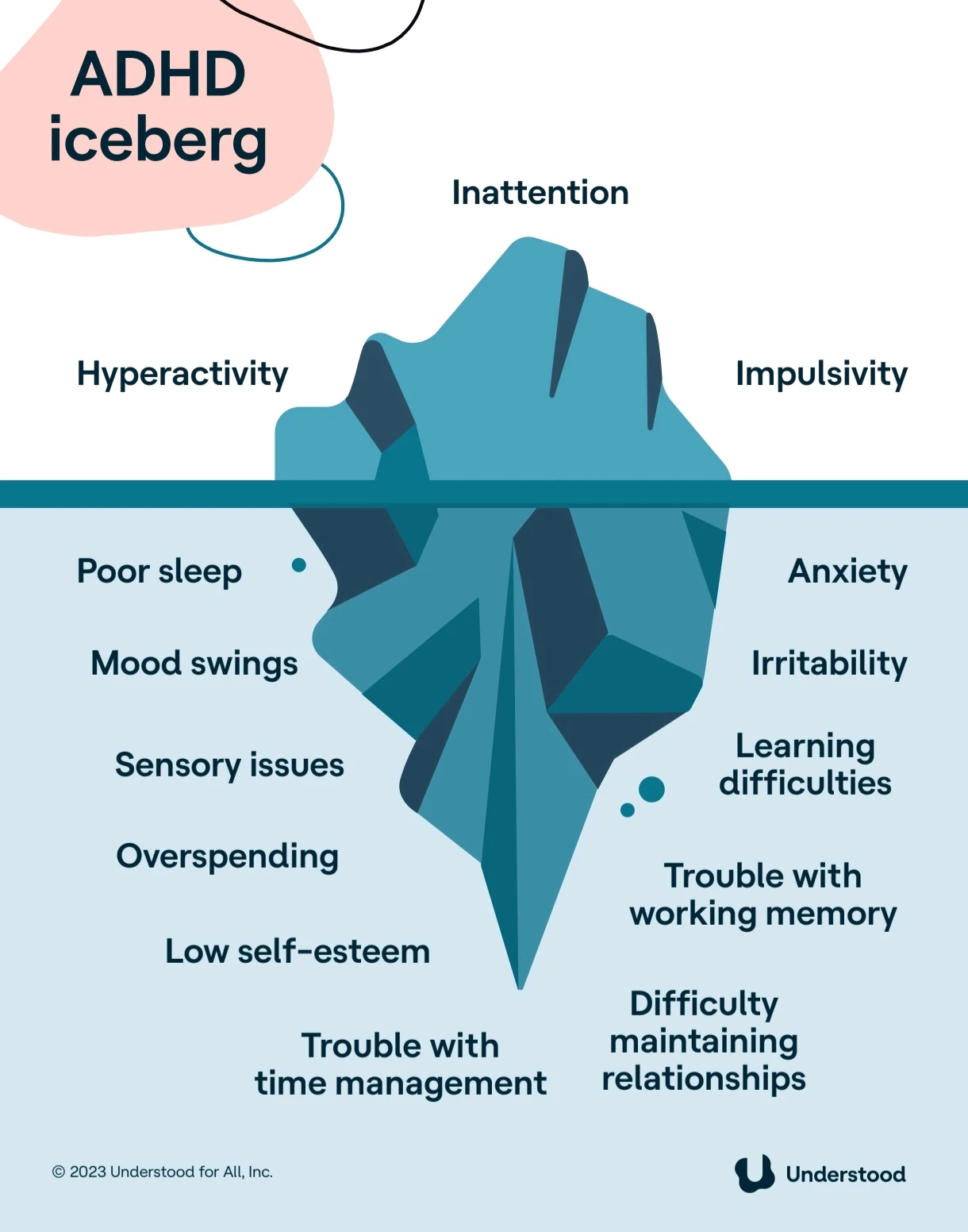
Maybe you will, if you are a little boy. ADHD can look different in different individuals depending on their age, gender and their environment. It is basically a person who has developed a high level of sensitivity towards their environment because at some point of their childhood, they did not feel safe. This causes them to be alert all the time, waiting for something to happen. The nervous system becomes programmed to react to everything around them.
1. They pick up the slightest change …

by Koggelavani Muniandy
• 2 months, 3 weeks ago


Learning equine anatomy to help this sweet horse recalibrate her muscle imbalances.
by Ajna Samadhi
• 3 months, 1 week ago
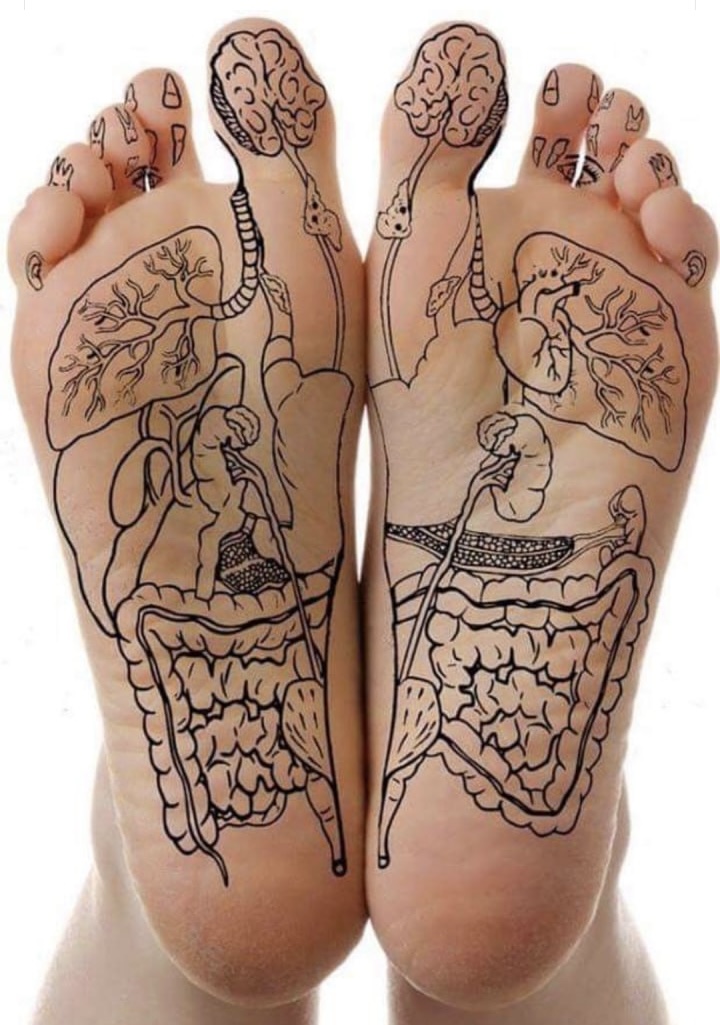

Modern footwear often limits stimulation to the reflexology points, and tenderness in certain areas of the foot can relate back to our organs.
Two simple way to gain awareness and address this:
Roll your feet daily on a firm, smooth ball — ideally smaller than a tennis ball, but larger than a golf ball.
Or, more simply, walk barefoot on natural textures like rocks.
Supple feet can support the whole body. Pain in the foot may be an early …
by Ajna Samadhi
• 3 months, 1 week ago


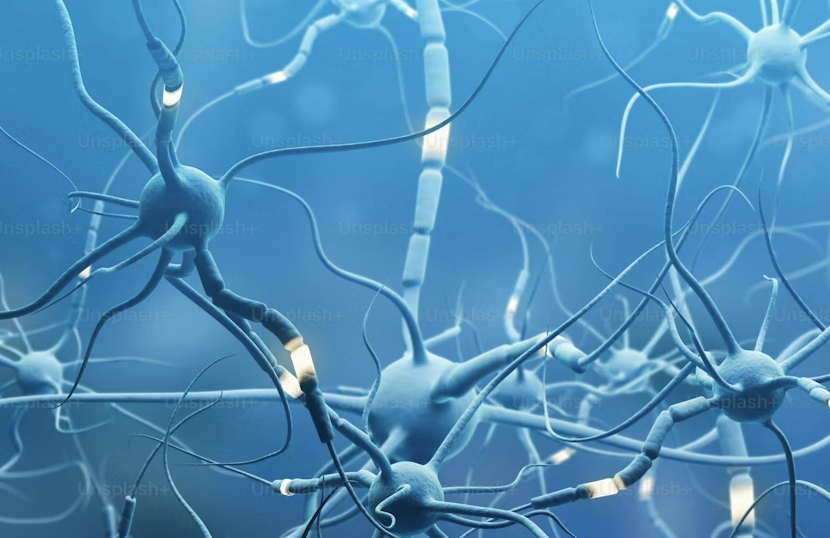
Both send signals to the brain — but you can often tell which one is active by noticing what makes it feel better.
This is what we call an anti-stimulus:
• If rubbing the area helps → you’re likely downregulating mechanoreceptors.
• If deep pressure brings relief → you’re probably dampening nociceptors.
So next time you catch yourself digging your thumb into a sore muscle, remember:
your body is most likely trying to turn down the signal from a nociceptor.
Nociceptors carry noxious stimuli so think …
by Ajna Samadhi
• 4 months, 1 week ago


We explore several themes of the work, including being conscious, the state we are in, creation, the ABC, Master’s Breath, authenticity, and much more all through the lens of the body.
Here is a snippet: "One of the core questions I'm interested in exploring deeper is: is your body aligned with what you're choosing to experience and be?
And if not, what are the blocks? What's in the way?"
Find the full podcast here on …

by Ajna Samadhi
• 4 months, 2 weeks ago
This neurobiology term explains why, for example, your jaw and your hip hiking muscles are connected!
When we are in utero our jaw and part of our hip form at the same time forming a lifelong connection.
Unable to unwind your jaw tension? Take a look at your hips, especially your quadratus lumborum muscle.
Dealing with nagging lower back pain that won’t resolve? It may be worth having your jaw assessed.
The body doesn’t work in isolated pieces. It works as an integrated system, and often the source of tension isn’t where you feel it …
by Ajna Samadhi
• 4 months, 3 weeks ago
Our muscles do not fire on their own, it is our nervous system that tells our muscles what to do.
So we can build "neural memory" by reinforcing neural pathways with repetition, and our muscles respond.
by Ajna Samadhi
• 4 months, 3 weeks ago
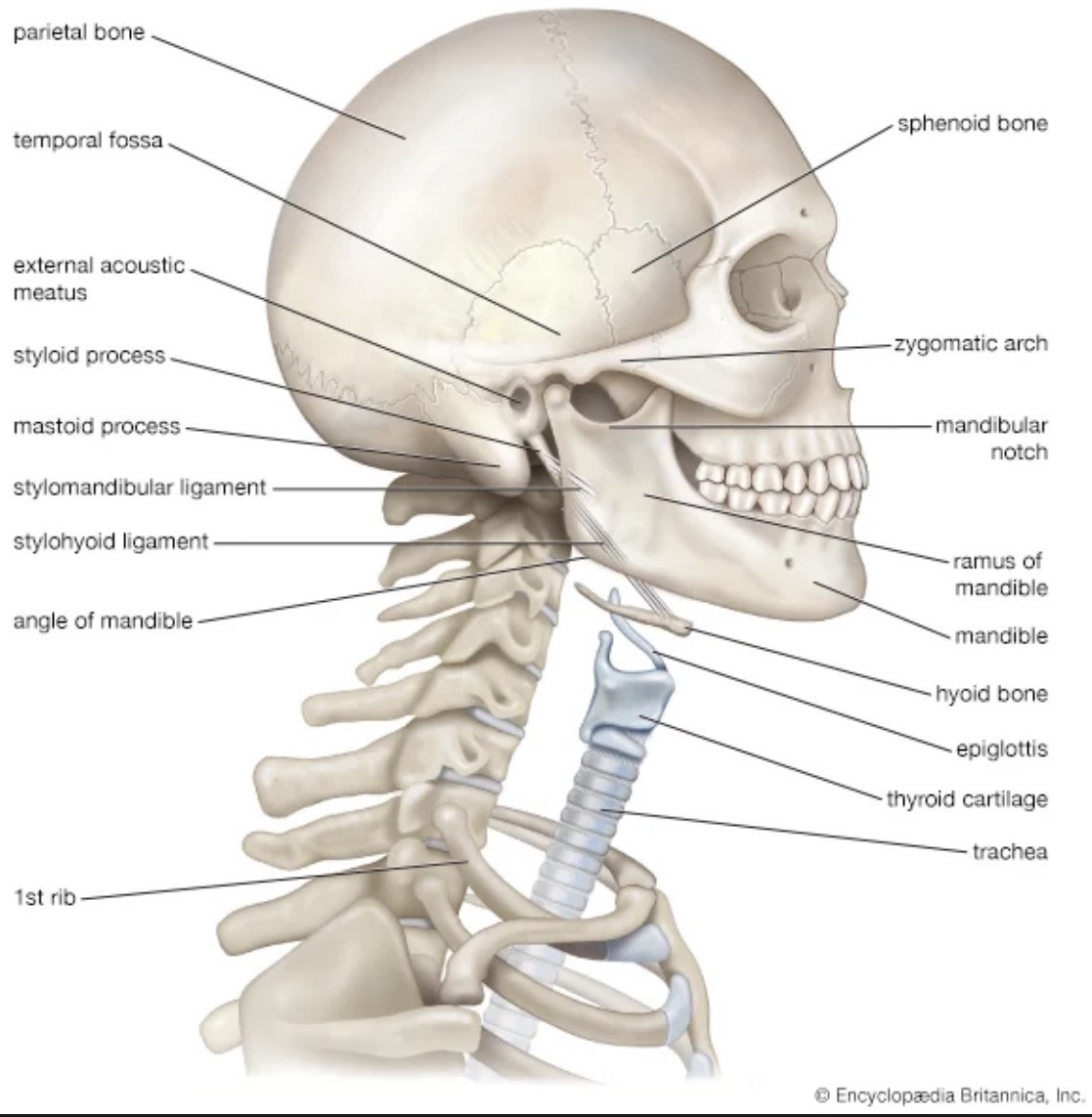
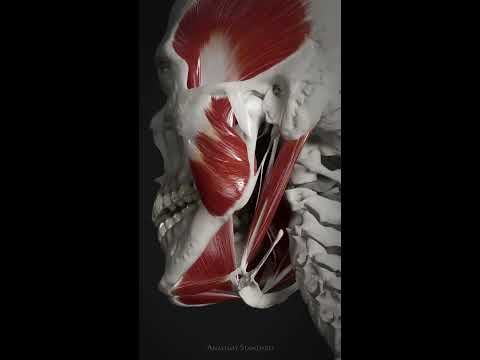
There are three bones that behave like gyroscopes in the body. Two sit within the ankle complex. The third is far less discussed, the hyoid bone in the neck.
The hyoid is unique in that it is the only bone in the human body that does not articulate with another bone to form a joint. Instead, it floats, suspended by a web of ligaments and muscles that connect it to the jaw, skull, tongue, throat, and shoulders. It plays a role in speaking, swallowing and breathing. Usually around age 40-60 the bones of the hyoid start fusing, …
by Ajna Samadhi
• 6 months, 2 weeks ago
The reasons for this benefit are unique to each individual. Yet, in all cases the pain appears to serve as a kind of cover for an underdeveloped characteristic or capability.
Could chronic pain be a compensation for an immaturity within us? A kind of adaptation strategy of the body to cope with the consequences …
by Ajna Samadhi
• 6 months, 3 weeks ago

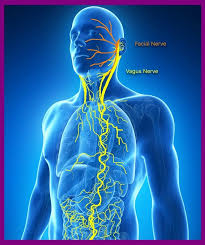
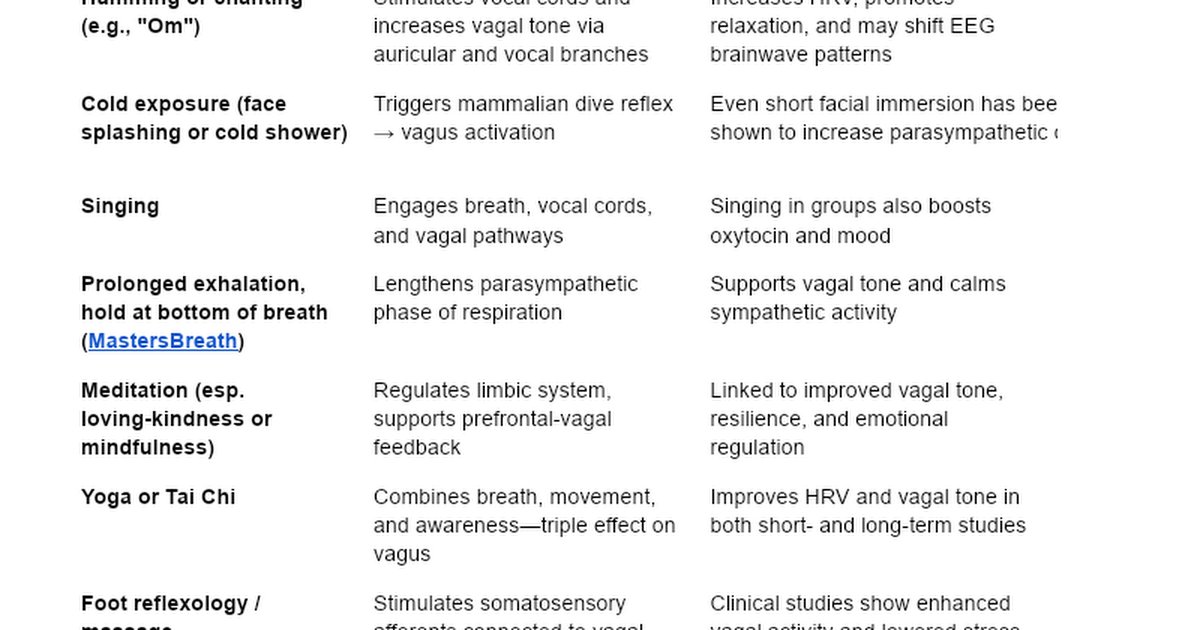
https://tinyurl.com/VagusTipsDrWendy
by Wendy Wells
• 6 months, 3 weeks ago

by Ajna Samadhi
• 7 months ago

 Document - Fasting Autophagy Wells for PP.pdf

by Wendy Wells
• 7 months, 1 week ago

⸻
Winter Boots & Foot Mobility
Many winter boots are designed for warmth and grip, not mobility. Their stiff structure can limit ankle and foot movement, which may influence weight distribution, balance, and overall muscular engagement.
Suggestions to support healthy foot function:
• Mobilize your feet regularly.
• Massage or roll the soles of your feet on a small ball.
• “Write” the alphabet with your toes and …
by Ajna Samadhi
• 7 months, 1 week ago
There is someone I work with who, as soon as they lie on the treatment table, begins to shake at even the smallest provocation. In this situation, it isn’t a fear response but seems to be an overused pattern to discharge. This person has been regularly practising a technique called Trauma Release Exercises (TRE), developed by Dr. David Berceli—something that they shared had been previously profoundly supportive for them.
What is TRE?
Dr. Berceli developed TRE as a way to support large groups of people after natural disasters, or those living in conflict …
by Ajna Samadhi
• 7 months, 2 weeks ago
You are that living bliss.”
— Dhyan Vimal
Exploring the effects on the body today with some new students.
by Ajna Samadhi
• 7 months, 3 weeks ago
'Small t' trauma on the other hand refers to repetitive or everyday stressful events that may not be life-threatening, but can create significant impact …
by Koggelavani Muniandy
• 7 months, 3 weeks ago
Over the last few years, I’ve been developing a protocol designed to help us access a more parasympathetic state so one can receive and integrate the work done together. Ultimately however, the choice has to rest with the other. Whether someone accepts or declines what is offered is entirely, and always, …
by Ajna Samadhi
• 7 months, 3 weeks ago
What is serotonin?
Serotonin is a neurotransmitter, it instructs your nervous system to make a change. In …
by Wendy Wells
• 7 months, 4 weeks ago
These receptors — located throughout your body — detect pressure, stretch, vibration, temperature, light, chemical changes, and even noxious (potentially harmful) stimuli. Together, they give your brain a detailed picture of both your internal and external environment.
What most of us don’t realize is that these receptors can sometimes become dysfunctional or over-sensitized. When this happens, your nervous system may begin responding to inaccurate information — leading to compensation patterns, ongoing tension, or pain.
How does this happen?
Under normal circumstances, sensory receptors receive a stimulus and send …
by Ajna Samadhi
• 7 months, 4 weeks ago
What Is Fatigue And Why Does It Happen?
by Wendy Wells
• 7 months, 4 weeks ago
Rethinking Ice For Injury Recovery
by Ajna Samadhi
• 8 months ago
A woman came for a treatment with a health history intake form longer than any I have encountered. It read as a timeline of one incident after another—her body was completely overwhelmed.
Through muscle testing, she discovered something important for herself: if she were to get better, her family would place even more demands on her. She already felt overrun by their expectations, and lived in an environment where she wasn’t allowed to exist autonomously. She hadn’t developed the strength to refute the guilt they …
by Ajna Samadhi
• 8 months ago
This gave me a chance to reflect for myself as I suspect I may carry something similar: a willingness …
by Ajna Samadhi
• 8 months ago