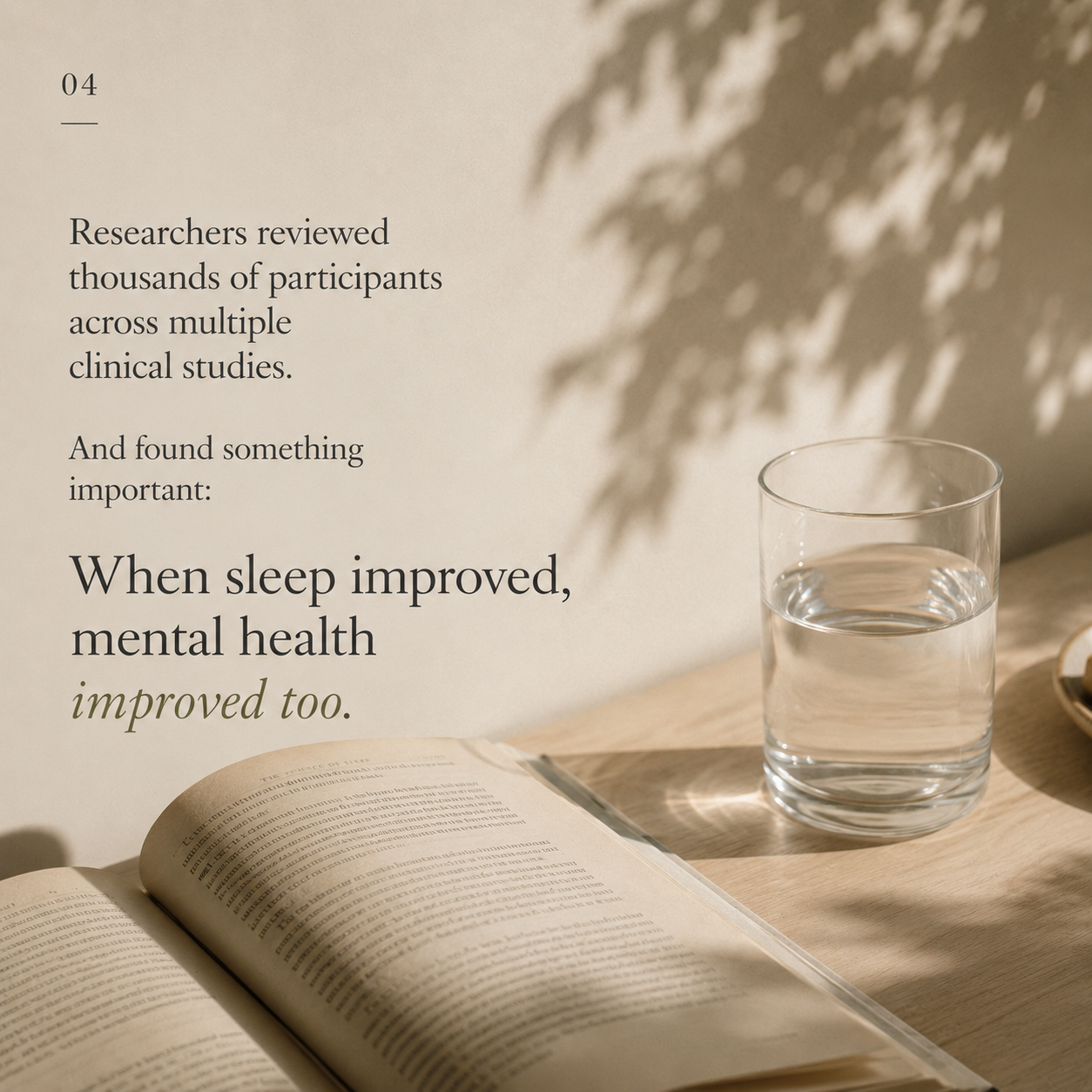
When our sleep improves, so does our mental health.


by Kiran Sandhu
• 2 months ago



Comments (4)
Sign in to join the conversation
Sleep quality, amount, and changes are what I always begin my assessment of any patient with. It will tell me almost everything I need to know about their mental health.
That’s so interesting. would like to learn more if anything you’d like to share on this 🙏
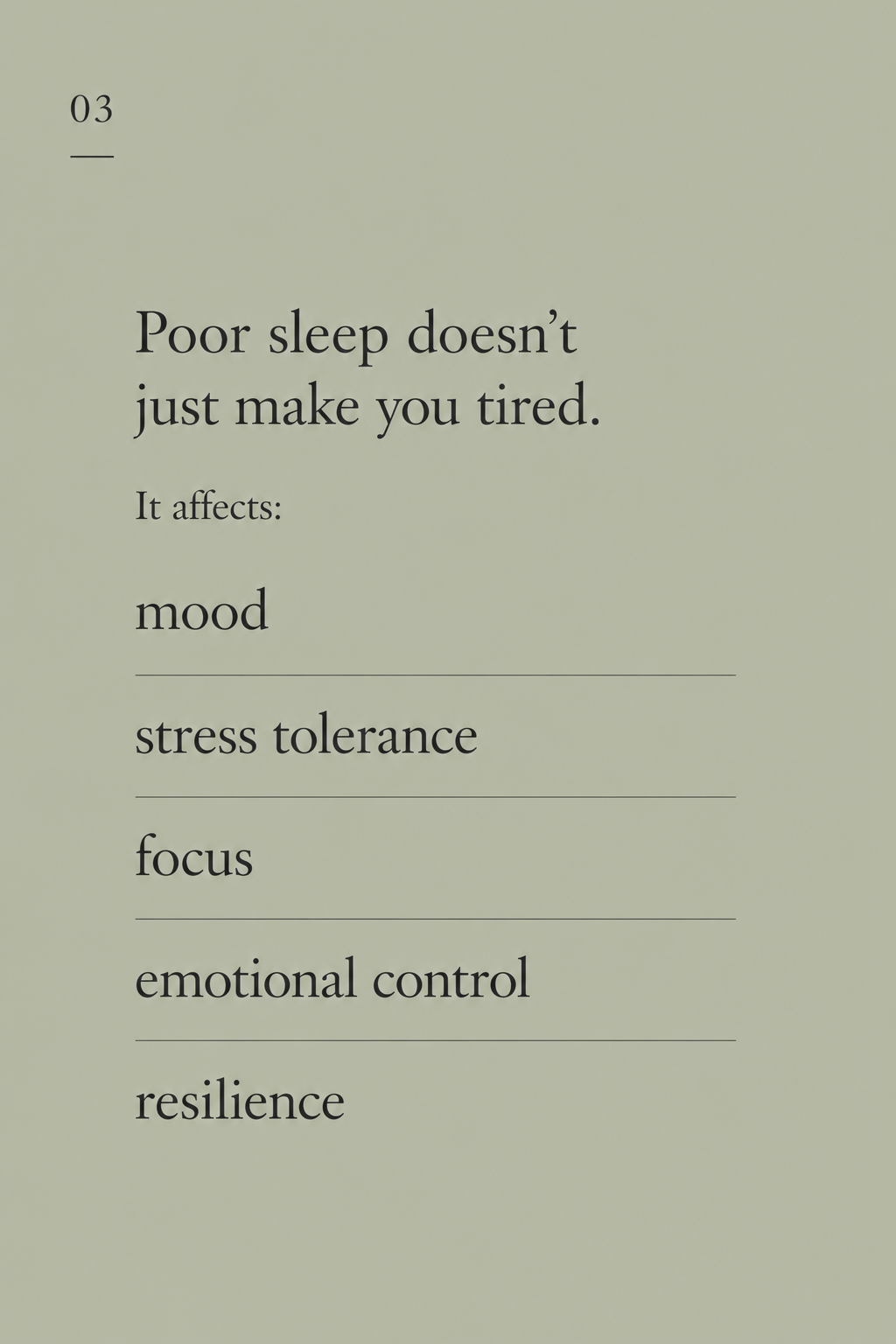
Thanks for the dialogue, I will put what I do in simple lay terms. Medically there is now specialties in what is called Primary Sleep Disorders - for example Sleep Apnea, this is important to know as lack of sleep has been proven to cause depression, and with 3 days of depravation symptoms of fibromyalgia can be see in people. A lack of sleep disrupts the communication between the prefrontal cortex and amygdala or executive function and emotion. So this is one of the reasons with decreased sleep one sees increased irritability, anxiety and mood swings. The neurotransmitters serotonin, dopamine and GABA dictate both our moods and sleep cycles. As a psychiatric nurse sleep is what I consider a vital sign... like your heart rate or breathing. It will guide the psychiatrist in diagnosis, or if I am only working with a GP we can look at stabilizing sleep while referring on, that and nutrition are key. So in discussing/assessing sleep I specifically ask about: difficulty falling asleep, staying asleep, early morning waking, over sleeping and restorative quality of sleep. A sudden decreased need for sleep or days of sleeping less and more energy. Of course also nightmares which might be part of trauma. Depending on the answers one is looking for depression, mania, anxiety or psychosis. There are many other components to a diagnosis, sleep is a foundational tool.
Thank you so much for sharing this, Karen. 🙏❤️