Zazen Health Solutions - Project 120
What if living to 120 isn’t just possible - it’s your legacy? Longevity isn’t just science, it’s a lifestyle. Project 120 is a global initiative towards enhanced lifespan and elite wellness. The era of scalar activated vitality has begun.

Zazen Health Solutions - Project 120
Led by ZHS Admin

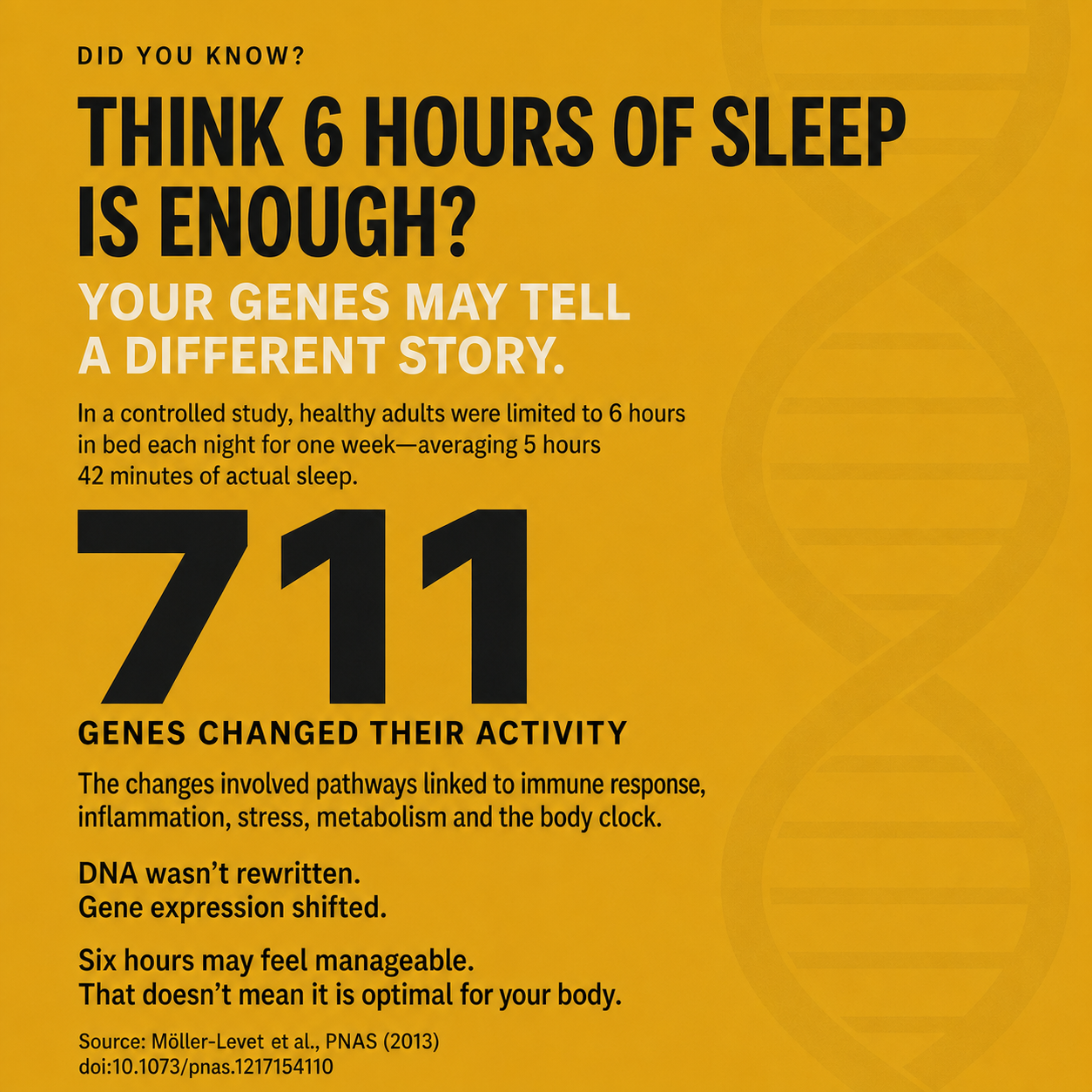
In a controlled study involving 26 healthy adults, 1 week of being limited to 6 hours in bed each night—averaging 5 hours and 42 minutes of actual sleep— was associated with changes in the activity of 711 genes. The affected pathways included immune response, inflammation, stress, metabolism and the body clock.
To be clear, the participants’ DNA was not damaged or rewritten. The study detected short-term changes in gene expression—how actively certain genes …
by Kiran Sandhu
• 1 hour, 12 minutes ago

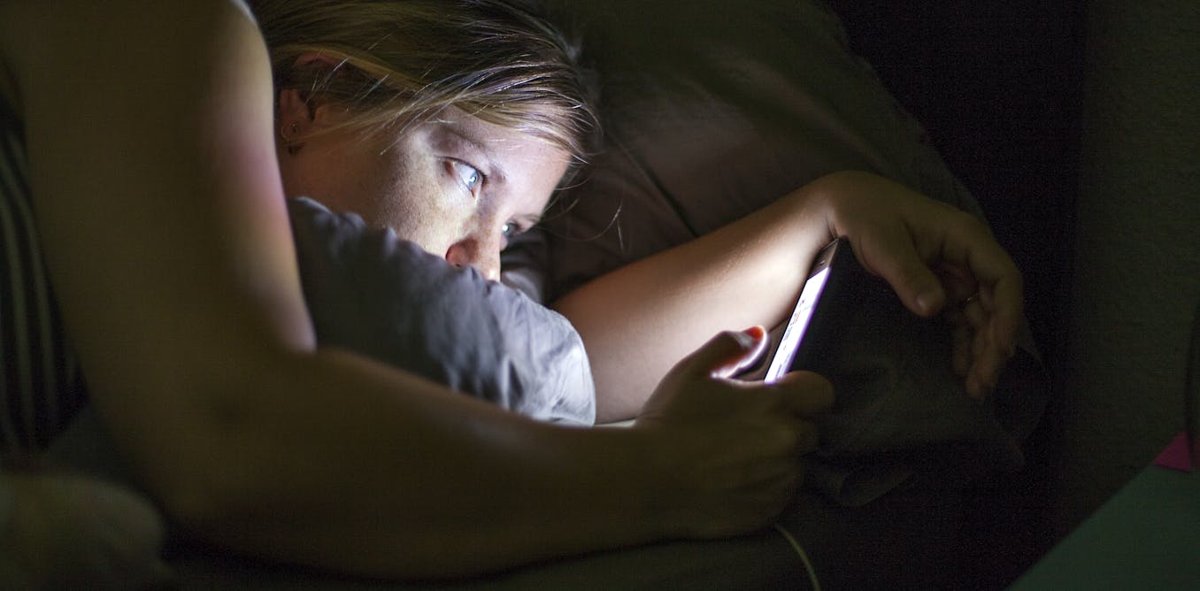
Sleep deprivation is one of the most widespread yet overlooked public health issues, especially among young adults and adolescents.
Despite needing eight to 10 hours of sleep, most adolescents fall short, while nearly two-thirds of young adults regularly get less than the recommended seven to nine hours.
Poor sleep isn’t just about feeling tired − it’s linked to worsened mental health, emotion regulation, memory, academic performance and …
by Kiran Sandhu
• 2 days ago

.jpeg)
.jpeg)
.jpeg)
.jpeg)
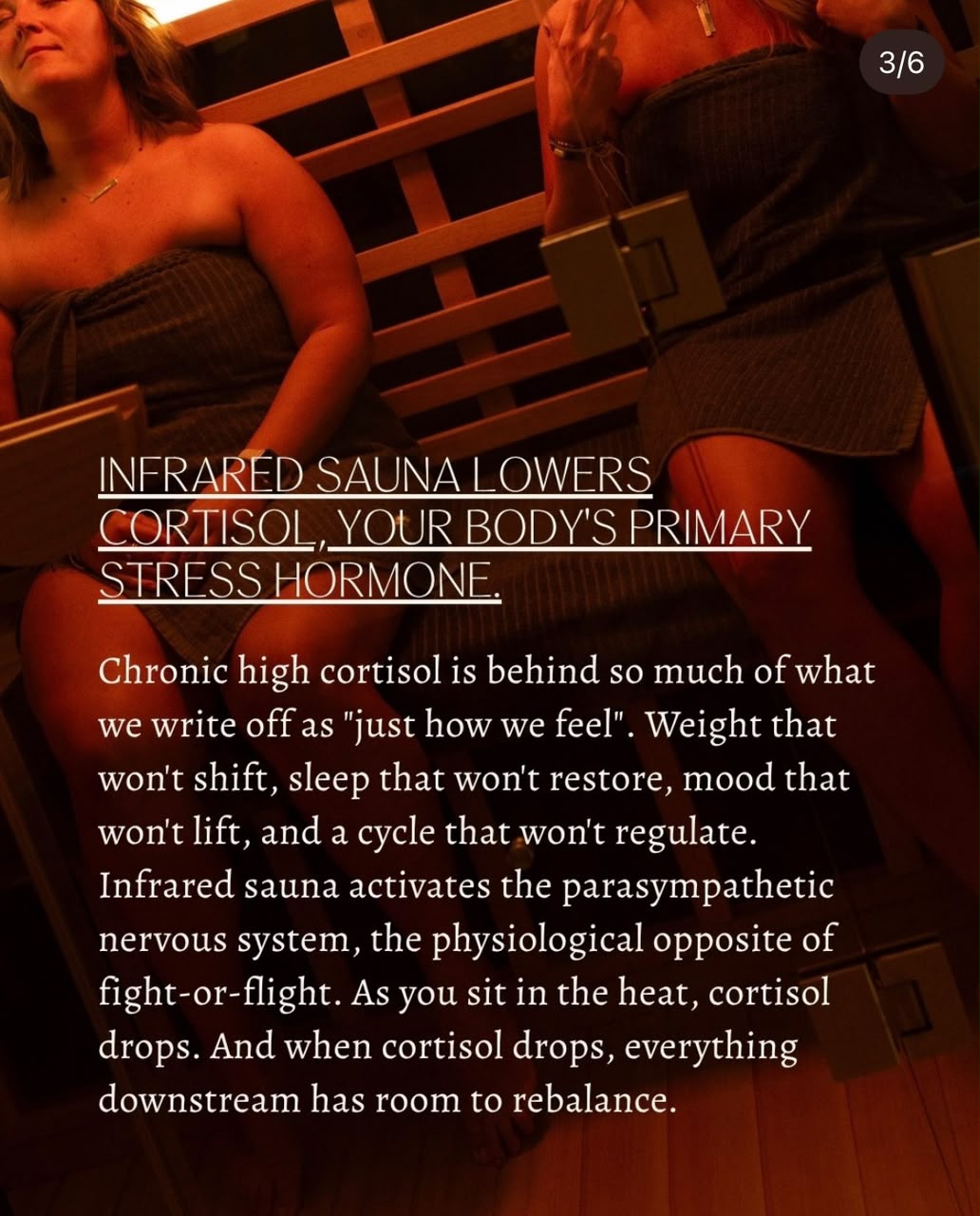
Source: @clearlightsauna
by Kiran Sandhu
• 5 days, 1 hour ago
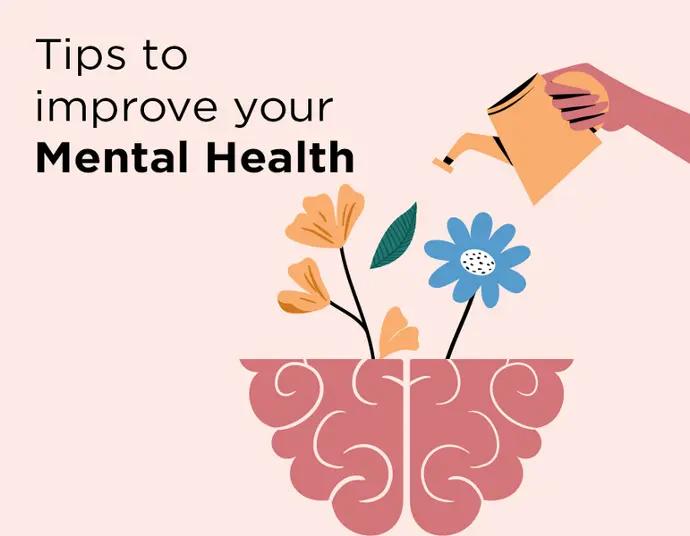
By Sandy Cohen, Senior Writer, UCLA Health.
Regardless of any resolutions you may have for 2026, one thing is for sure: Everyone wants to have a happy new year.
While losing weight or saving money may be great goals, the most straightforward path to happiness is caring for your mental and emotional health. A robust body of research shows that simple cognitive and behavioral strategies can reliably boost happiness and reduce stress – and they’re generally free and accessible to all.
These strategies don’t have to be super time-consuming, but they do require intention: …
by Kiran Sandhu
• 5 days, 19 hours ago
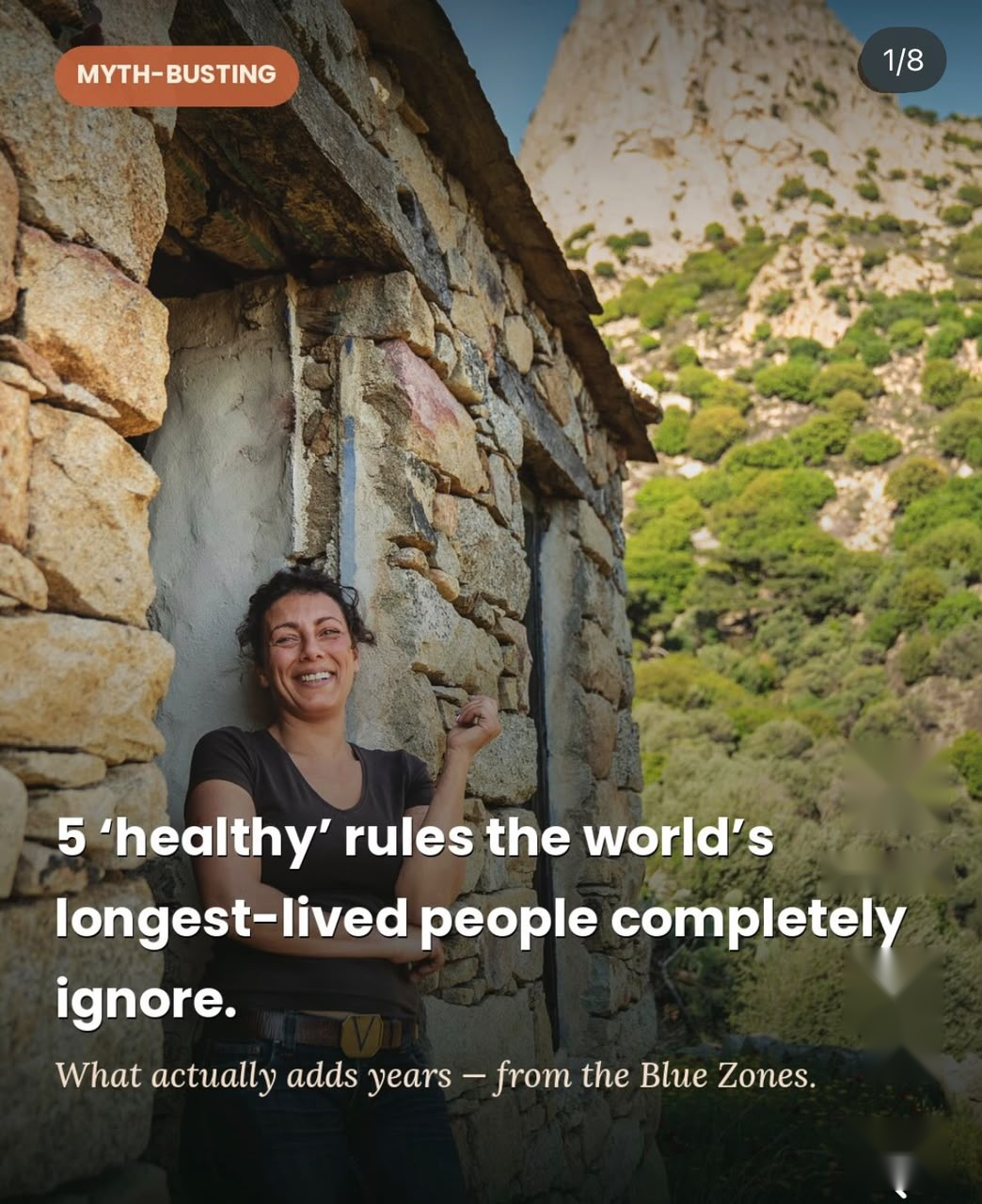
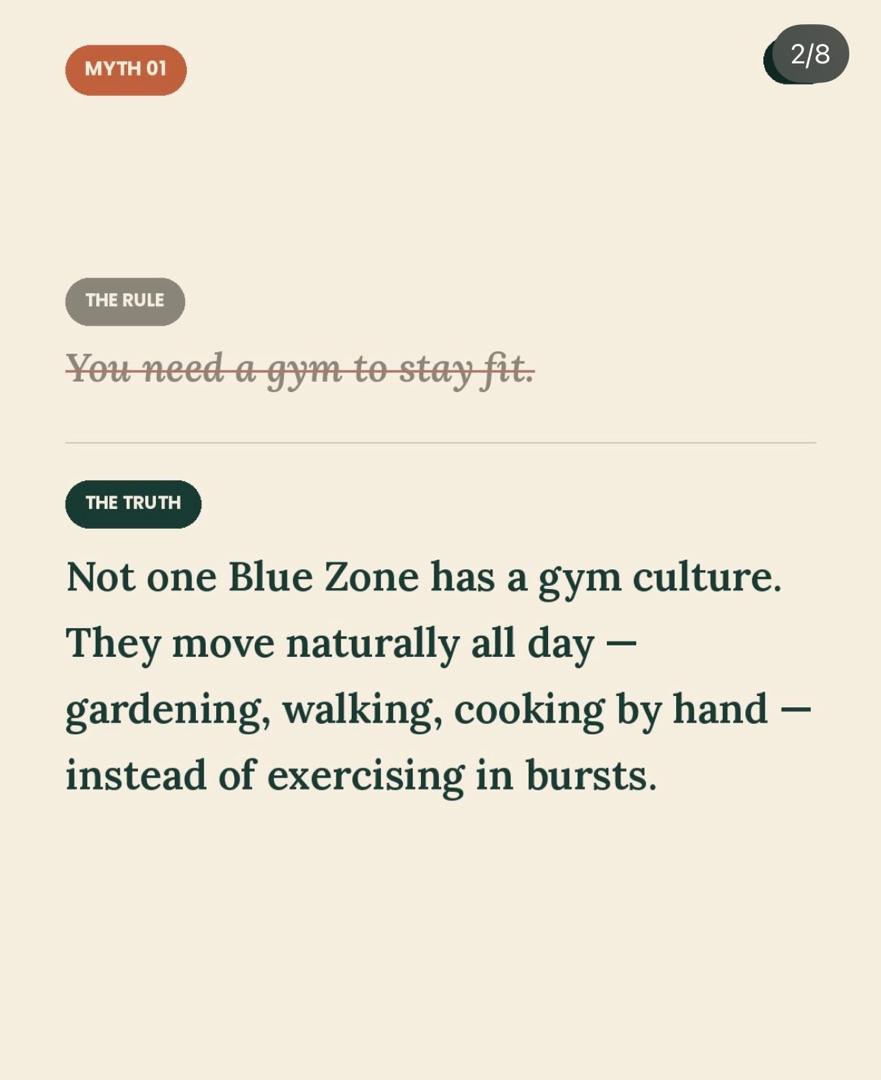
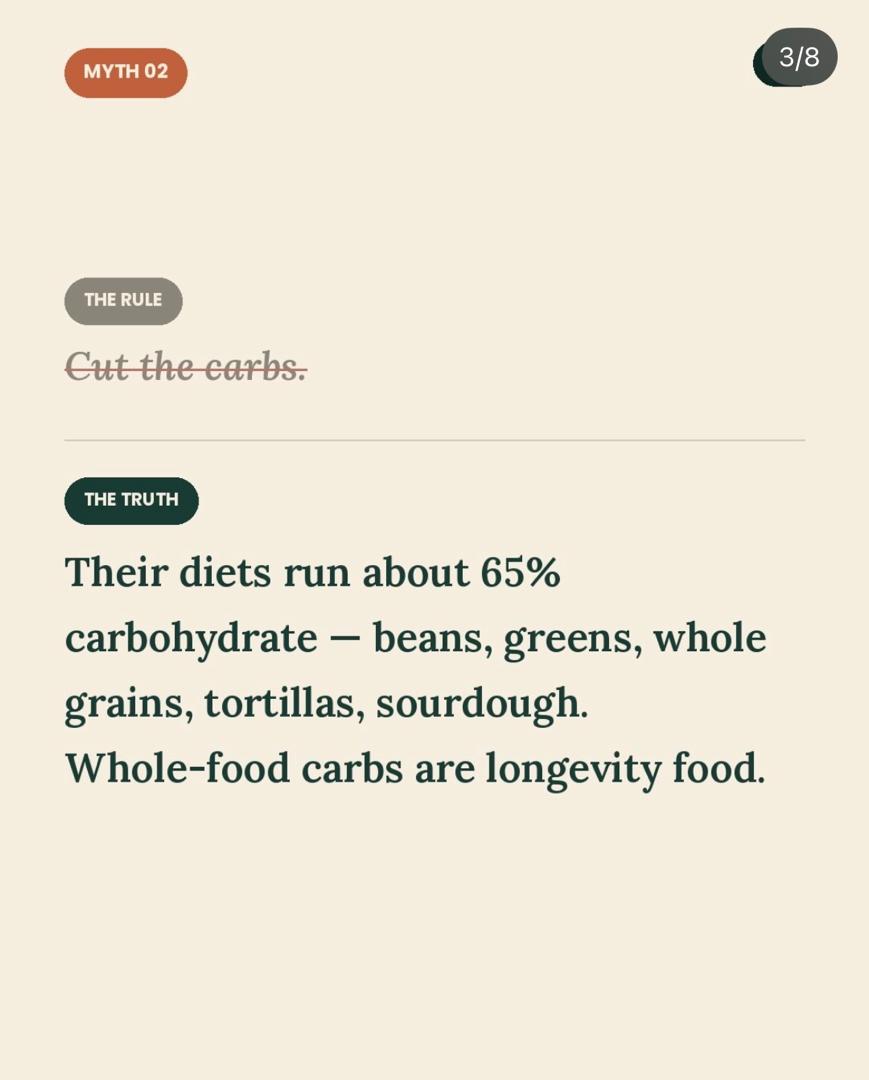
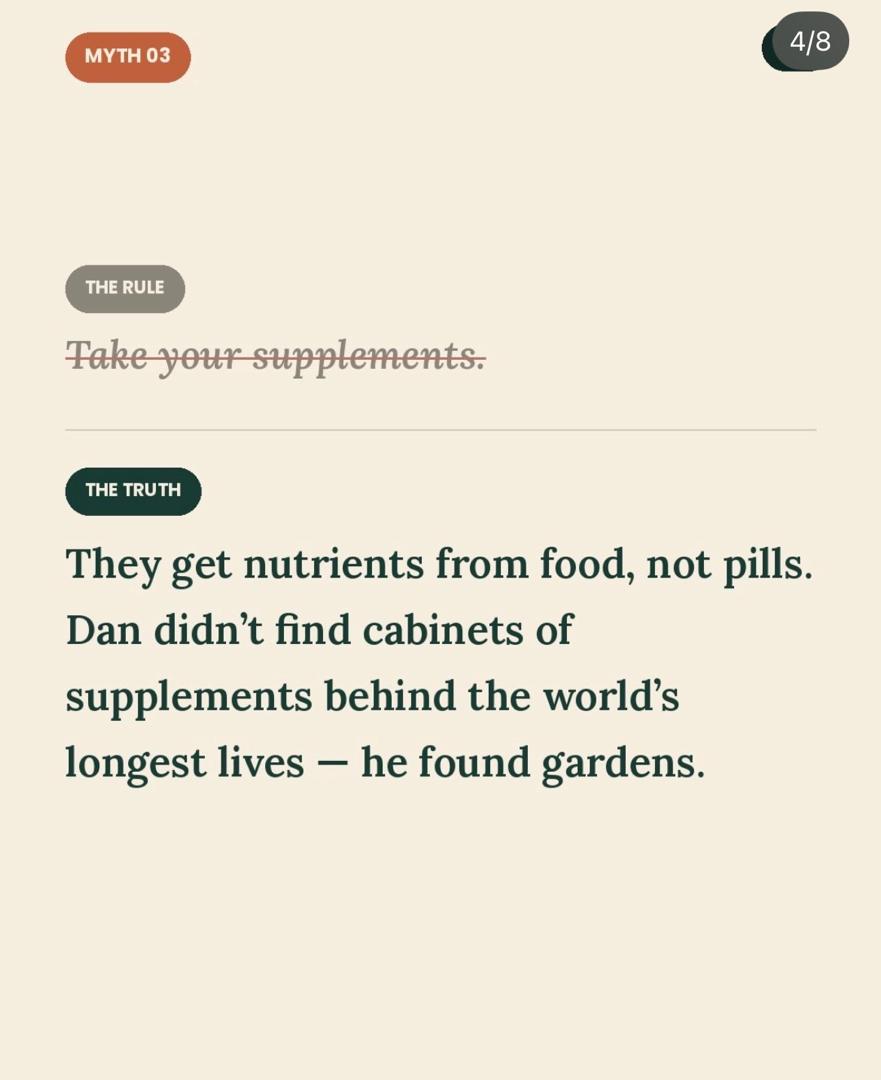
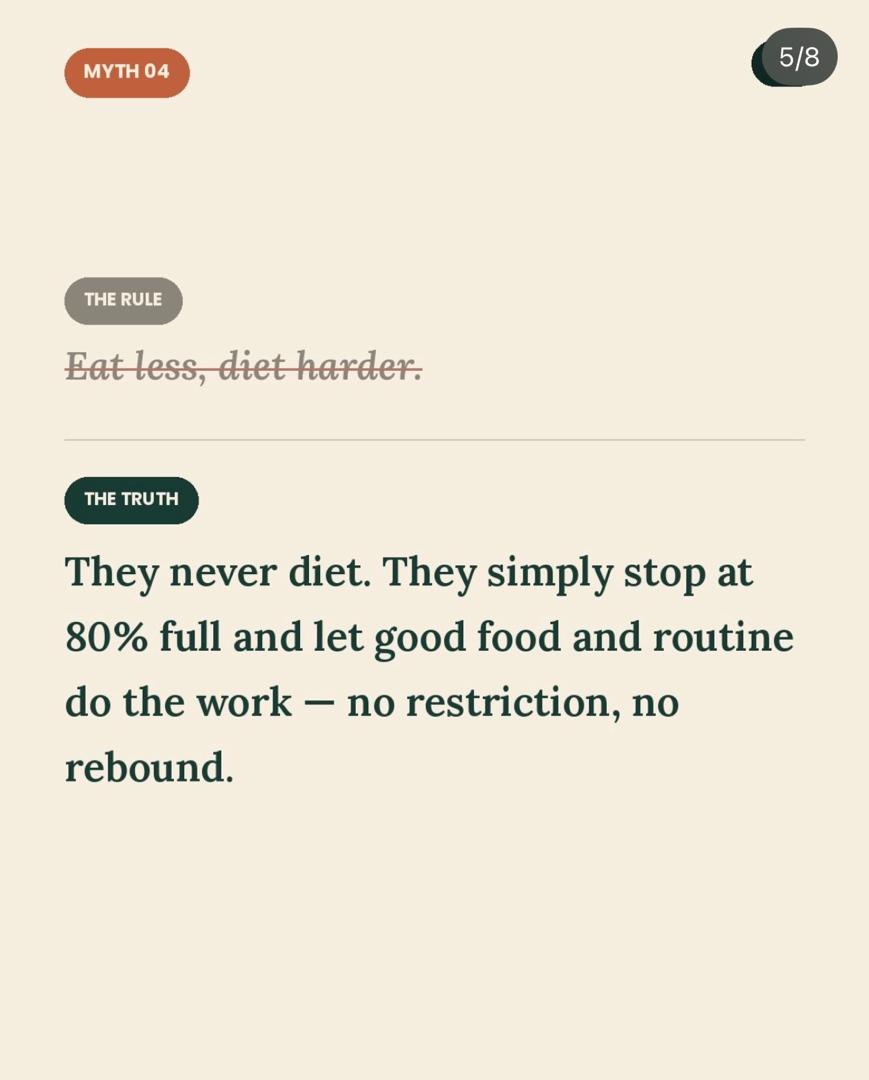
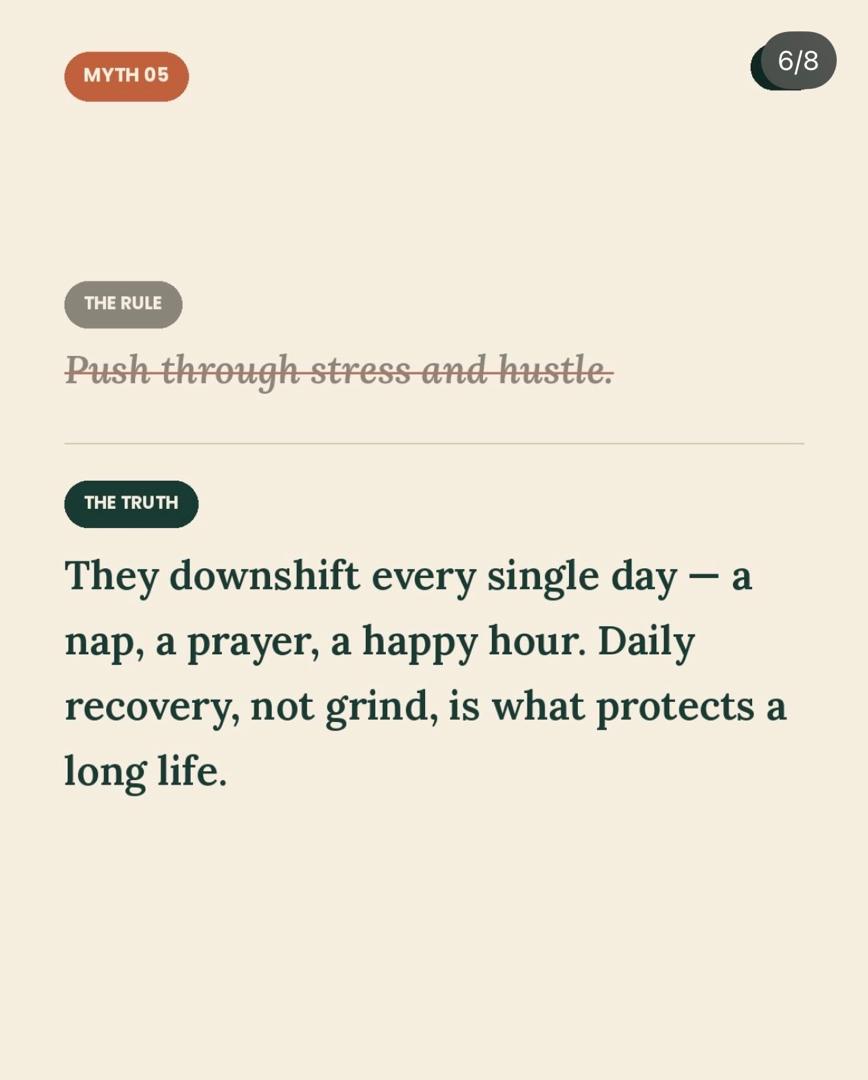
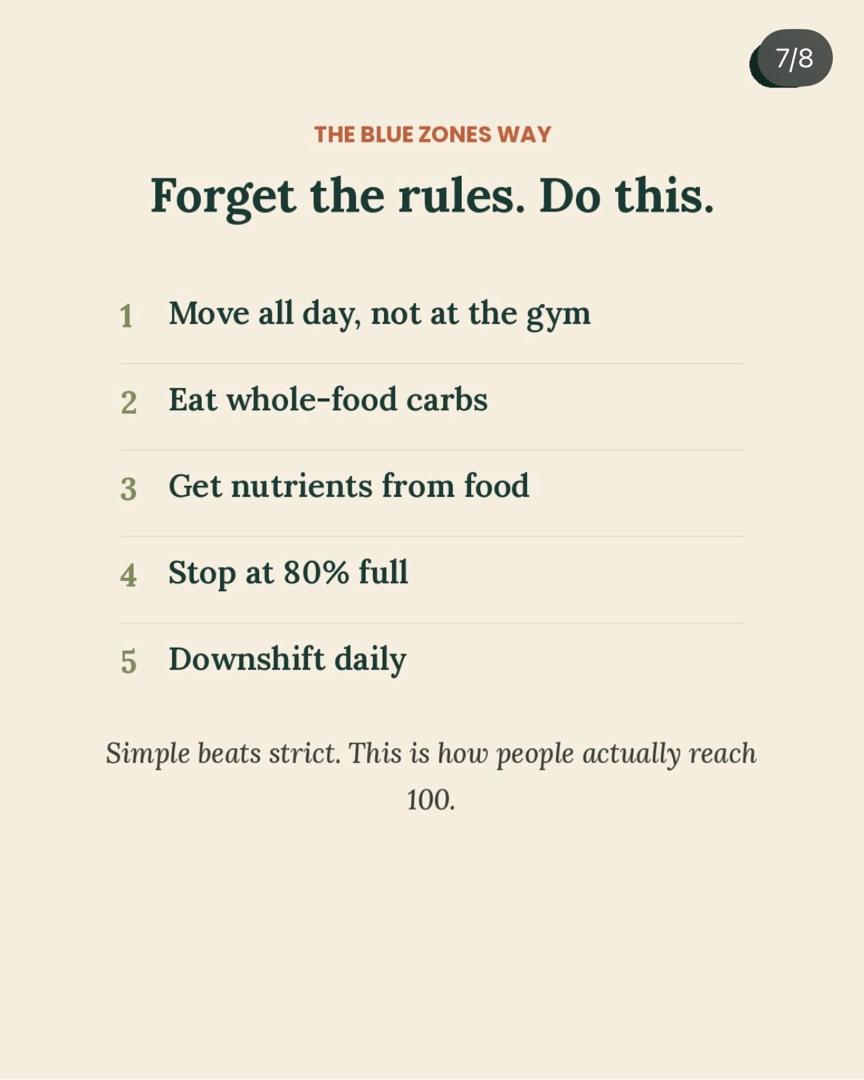
They move because their day requires it, eat carb-rich whole foods without a second thought, skip the pill cabinet for the garden, stop eating at 80% full instead of counting calories, and build in daily downshifts like naps or happy hour instead of pushing through stress.
The takeaway: healthy doesn't have to be hard. Borrow what works, and let your surroundings do the heavy lifting.
…
by Kiran Sandhu
• 1 week ago
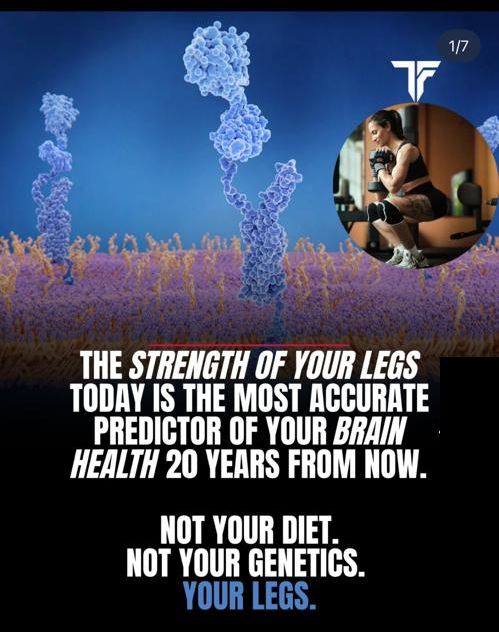
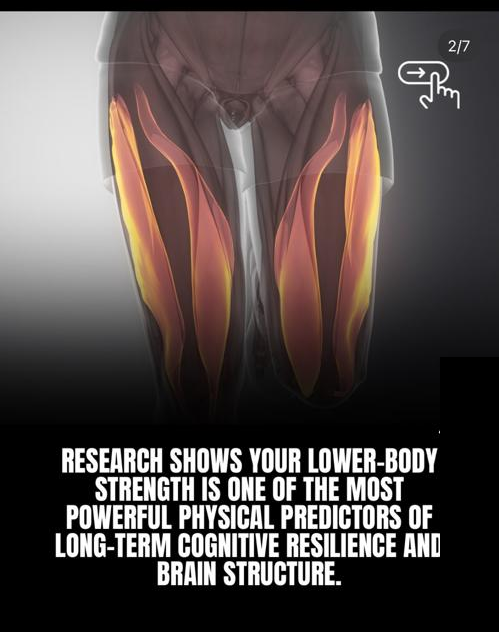

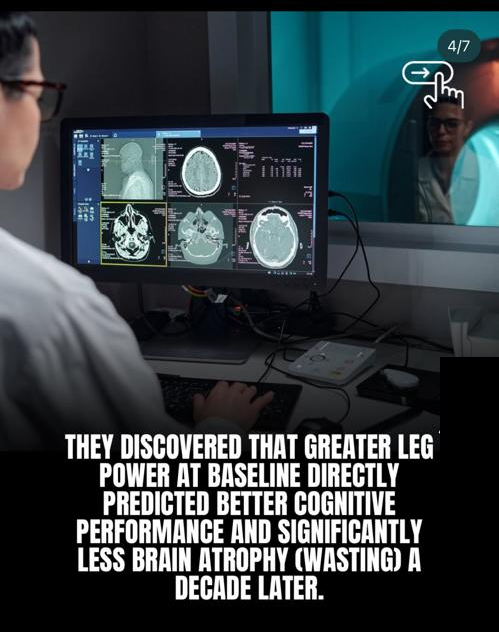

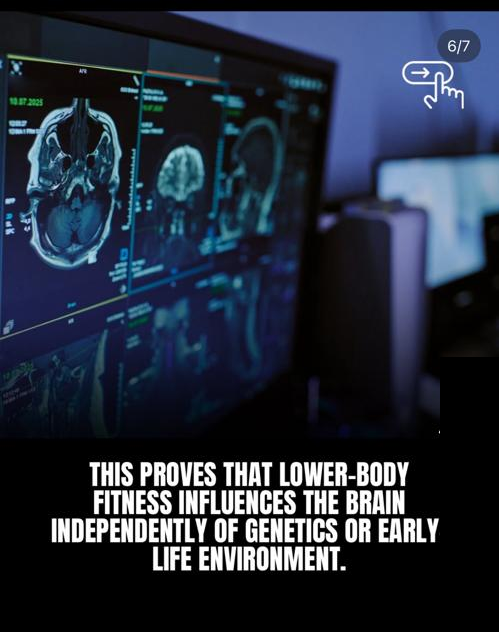
In a 10-year study of twins, the sibling with more leg power at the start kept sharper thinking and lost less brain volume by the end — even when compared to their genetically identical twin.
Since identical twins share both DNA and childhood environment, that comparison lets researchers rule out genetics and upbringing as the explanation, pointing instead to leg strength itself (likely as a marker of physical activity) as a driver of long-term brain health.
Source:@thefarmacyreal.
by Kiran Sandhu
• 1 week, 1 day ago
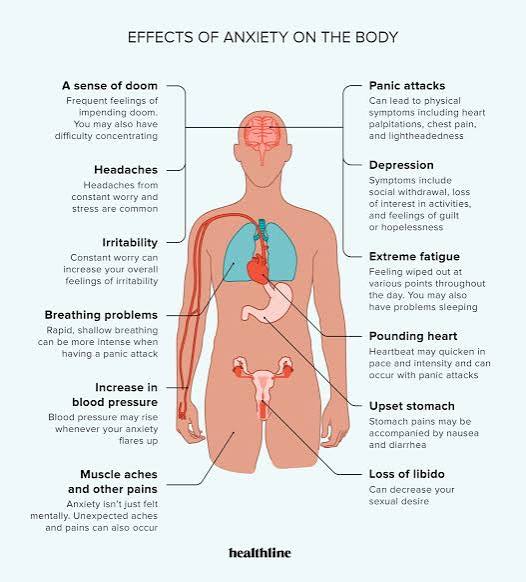
Read on to learn more about the major effects anxiety has on your body.
-> The effects of anxiety on the body
Anxiety is a natural part of life. For example, you may have felt anxiety before addressing a group or in a job interview.
You may feel physical symptoms of anxiety, includingTrusted Source:
- rapid breathing or heart rate
- lightheadedness or dizziness
- abdominal …
by Kiran Sandhu
• 1 week, 2 days ago
One angle they cover is training. Pair sauna with endurance work and you get bigger VO2 max gains than endurance training alone — a small trial found roughly a 6% improvement after three weeks of post-workout sauna sessions.
The mechanism behind a lot of this is heat shock proteins. Sit …
by Kiran Sandhu
• 1 week, 5 days ago
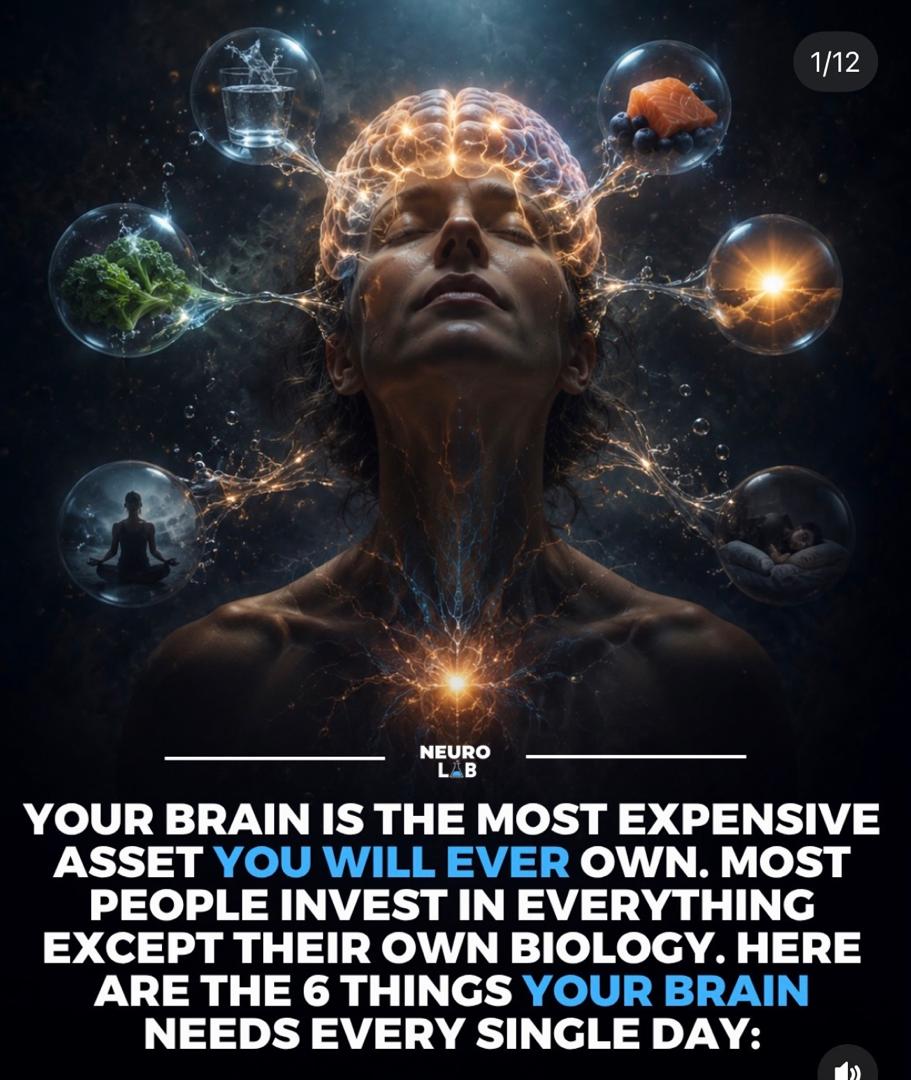
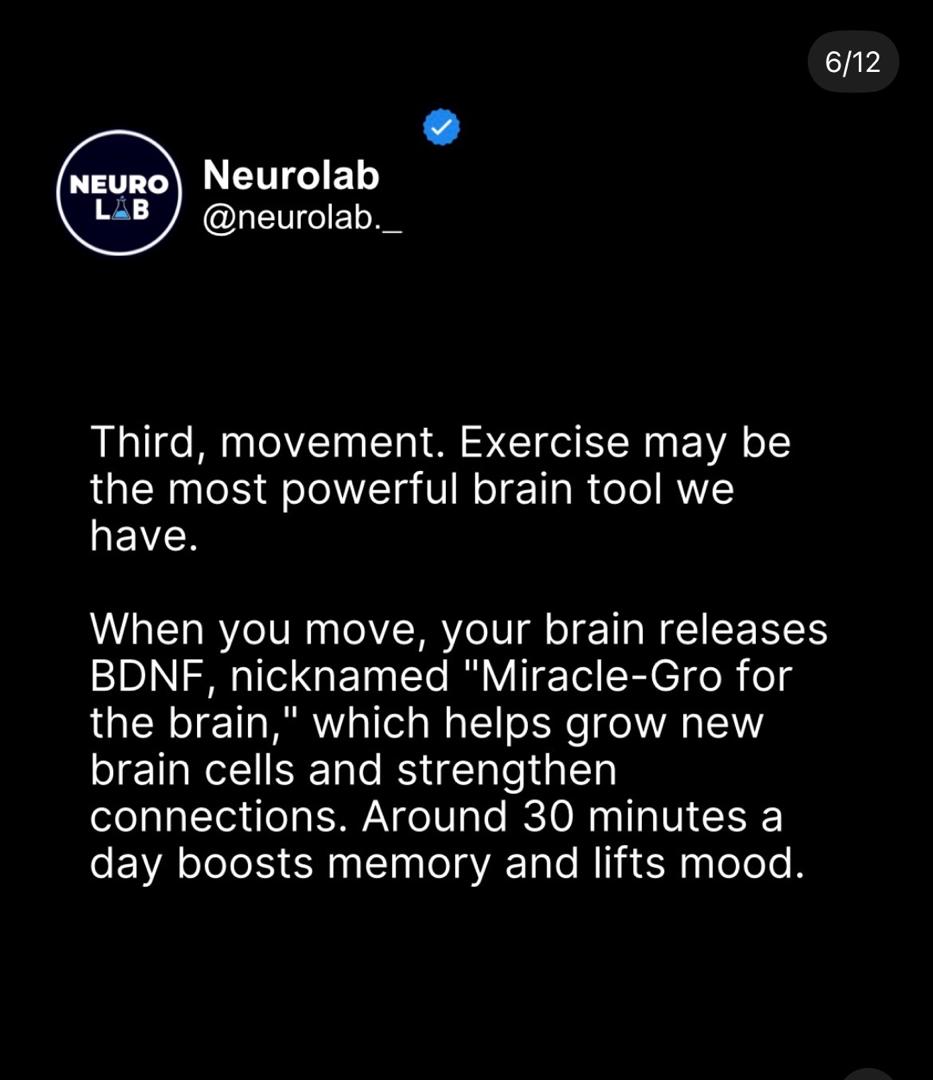
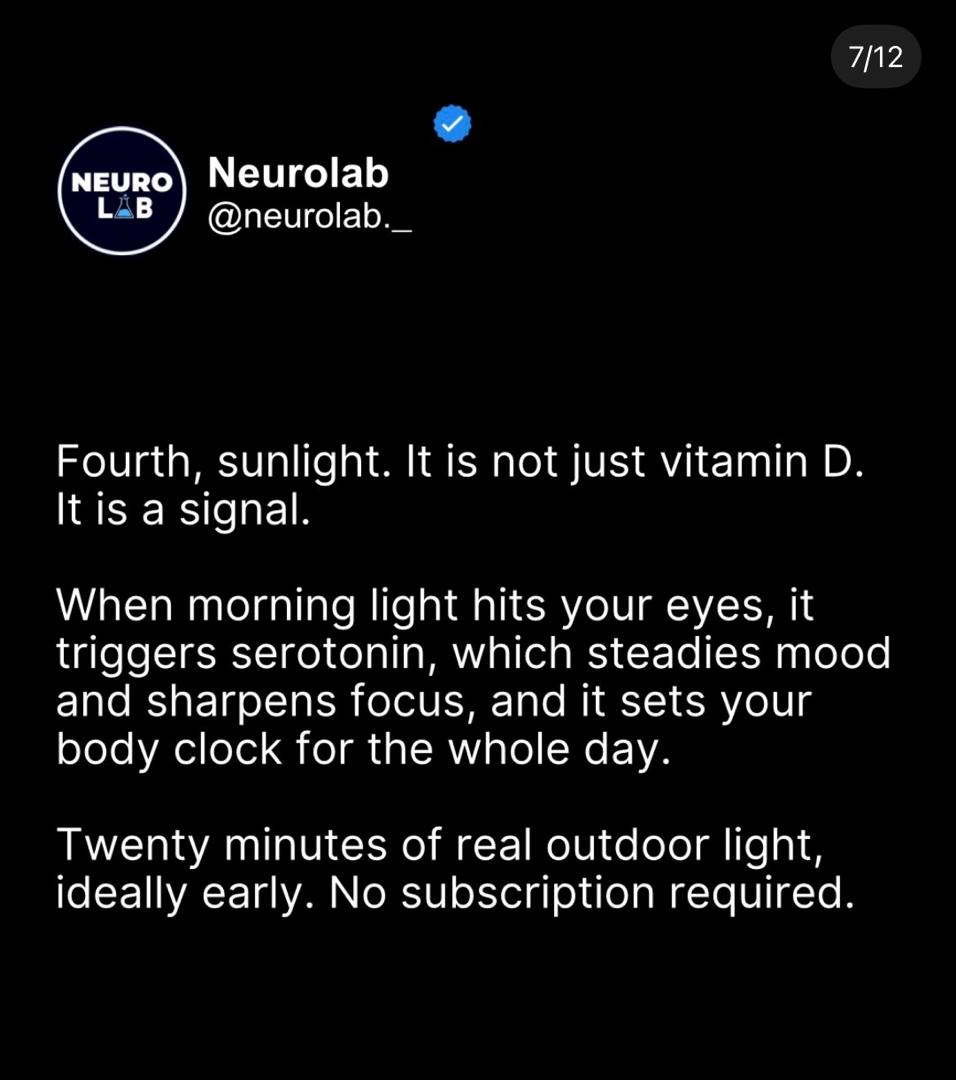
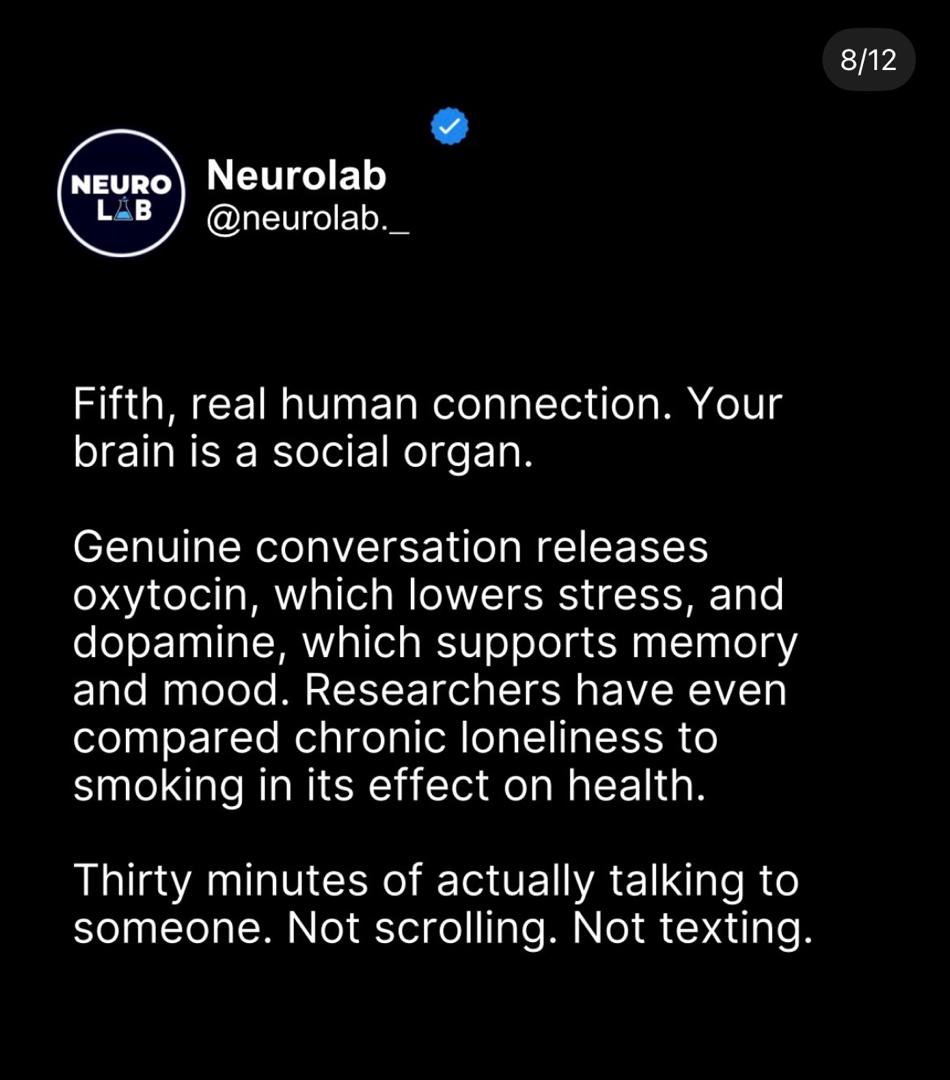
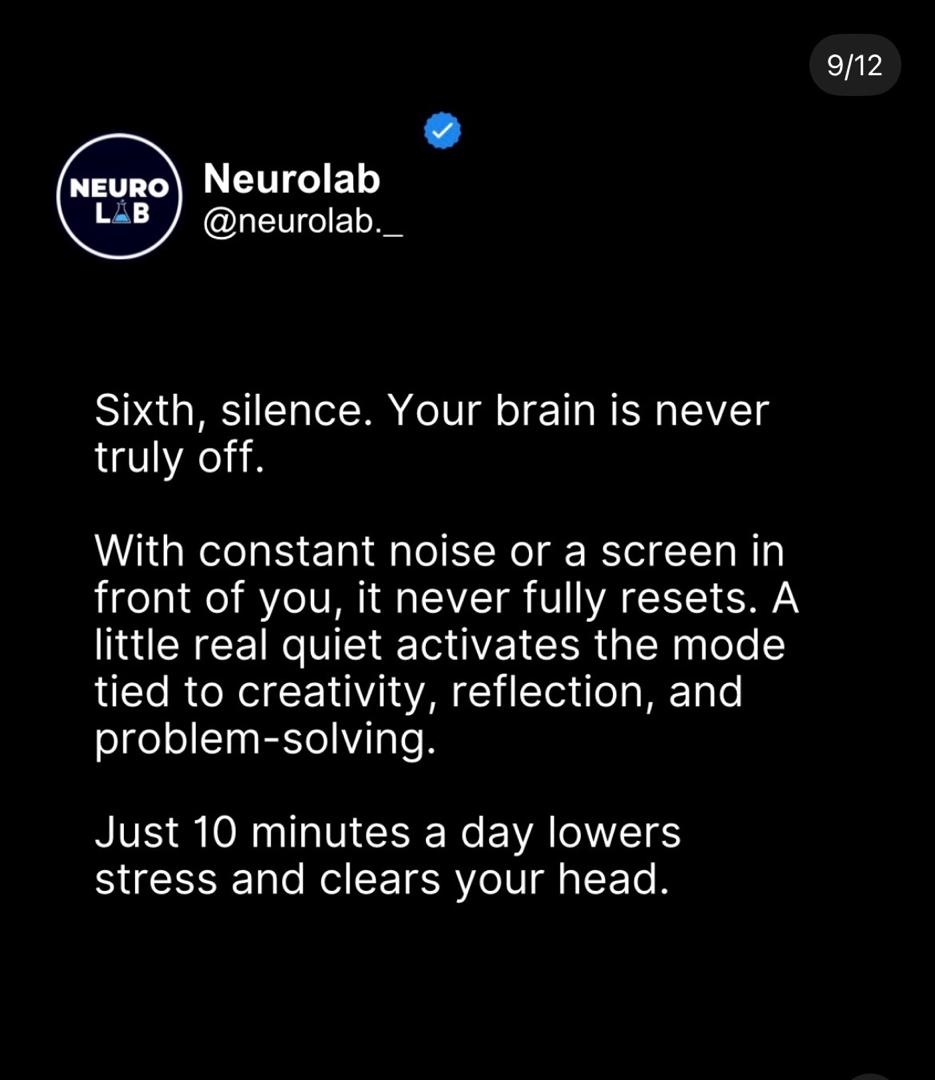
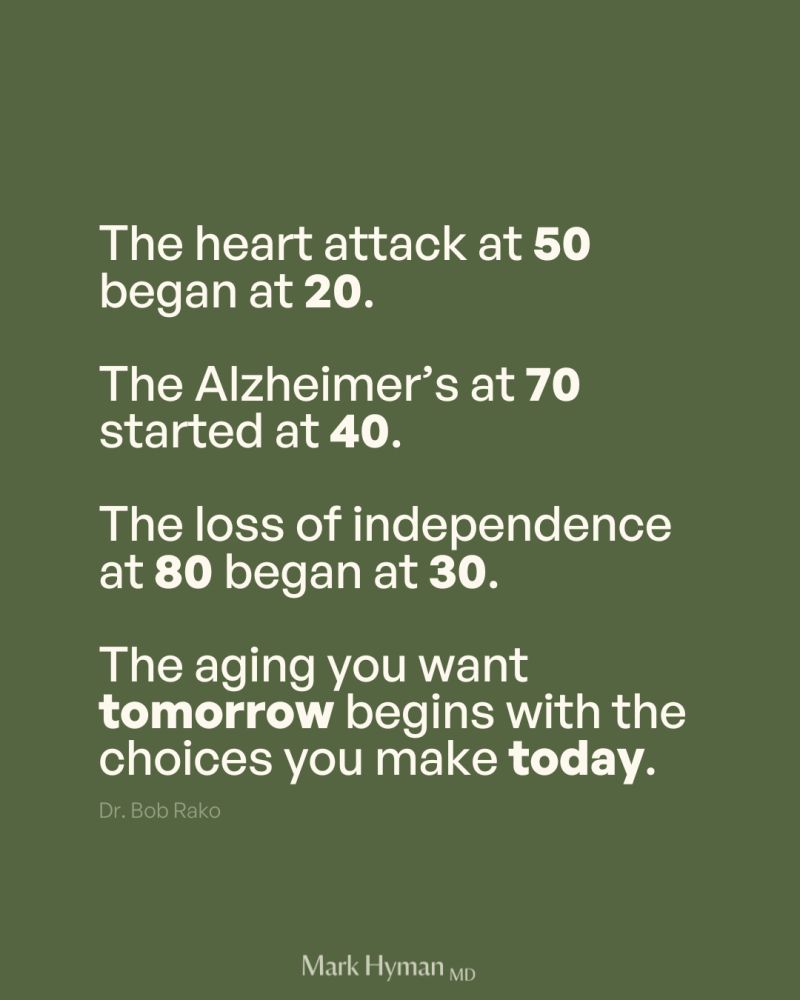
Now it's not unusual at all. Research from the American College of Cardiology tracking heart attack patients from 2000–2016 found the share of "very young" heart attack survivors (40 or under) rose by about 2% every year over the last decade of that period — and cardiologists note some patients are now in their 20s and early 30s, an age group that used to almost never show up with a heart attack.
The shift isn't random. It tracks with rising rates of high blood pressure, diabetes, high cholesterol, and …
by Kiran Sandhu
• 2 weeks, 3 days ago
While you sleep, your brain doesn't just switch off — it actively reorganizes and strengthens the memories you formed that day.
Source: The benefits of a good night's sleep — lesson by Shai Marcu, animation by Javier Saldeña (TED-Ed)
by Kiran Sandhu
• 2 weeks, 5 days ago
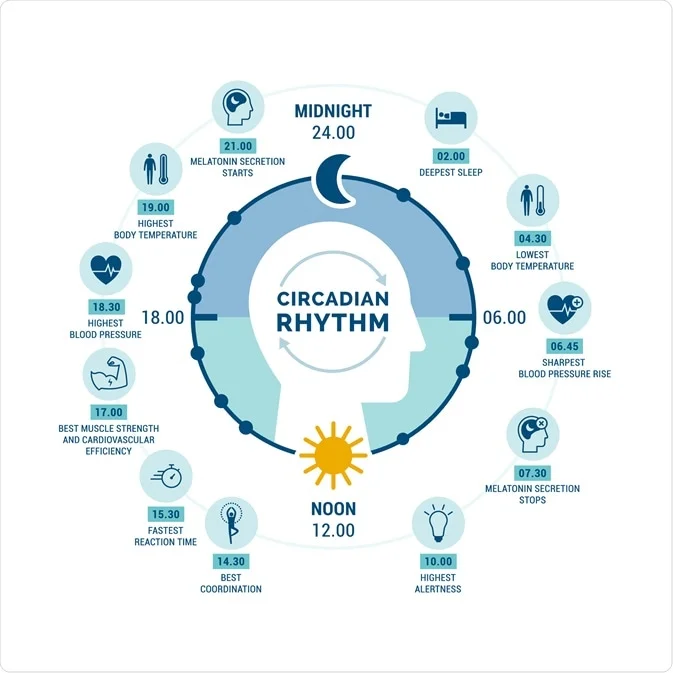
Some of the patterns researchers have mapped out:
6:45am — blood pressure rises sharply. This is part of why heart attacks and strokes cluster in the early morning.
10:00am — alertness peaks, making it one of the best windows for focused work.
2:30–3:30pm — coordination and reaction time are at …
by Kiran Sandhu
• 2 weeks, 6 days ago
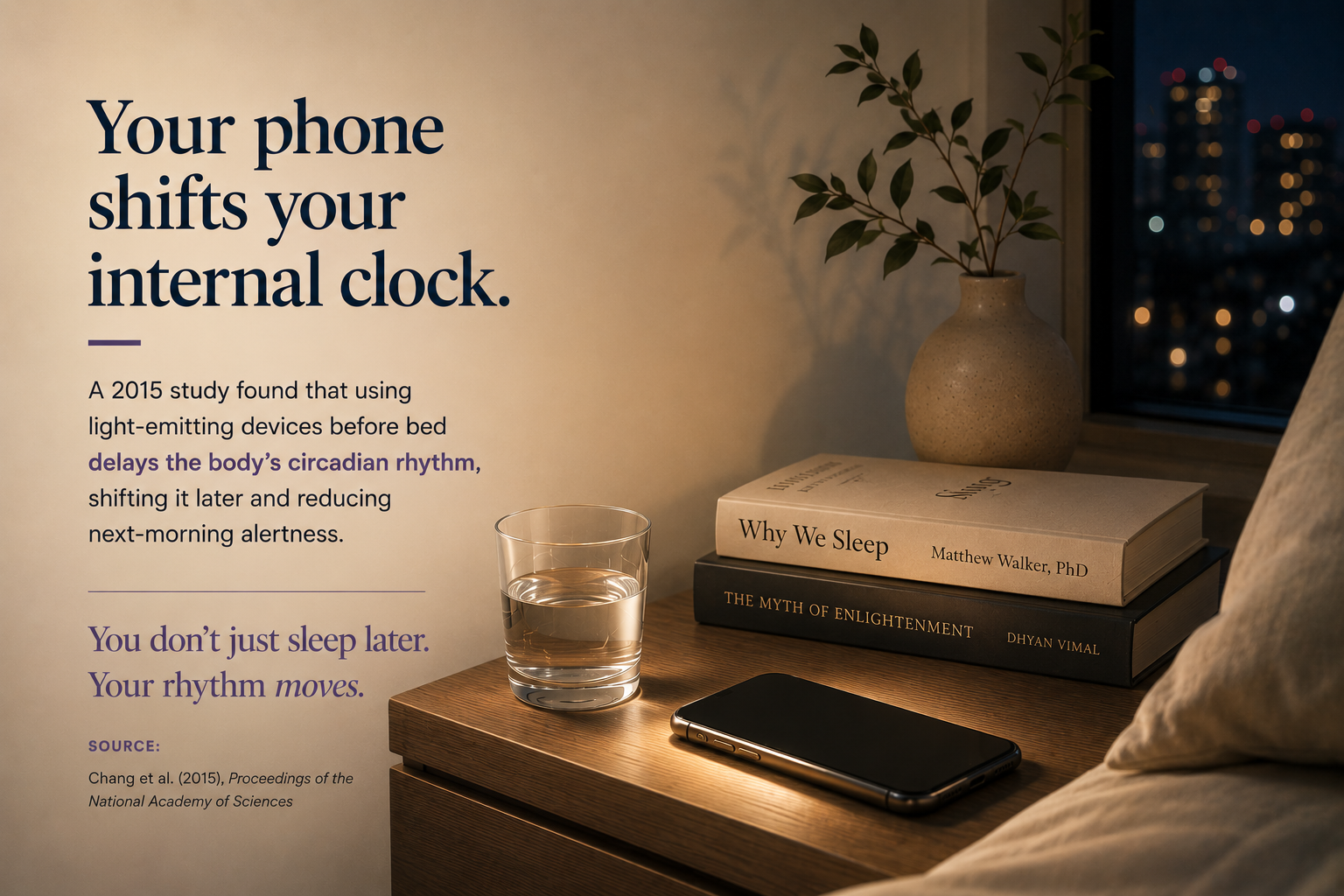
Yet a consistent sleep schedule seven days a week is one of the most powerful ways to improve your sleep quality and, in turn, your overall well-being.
Here’s how making one small change can reset your sleep—especially as daylight saving time approaches.
Why your body craves consistency?
Sleep scientists used to focus on how much sleep people got and how many times they woke up overnight. Now, however, …
by Kiran Sandhu
• 3 weeks, 1 day ago
by Kiran Sandhu
• 3 weeks, 2 days ago
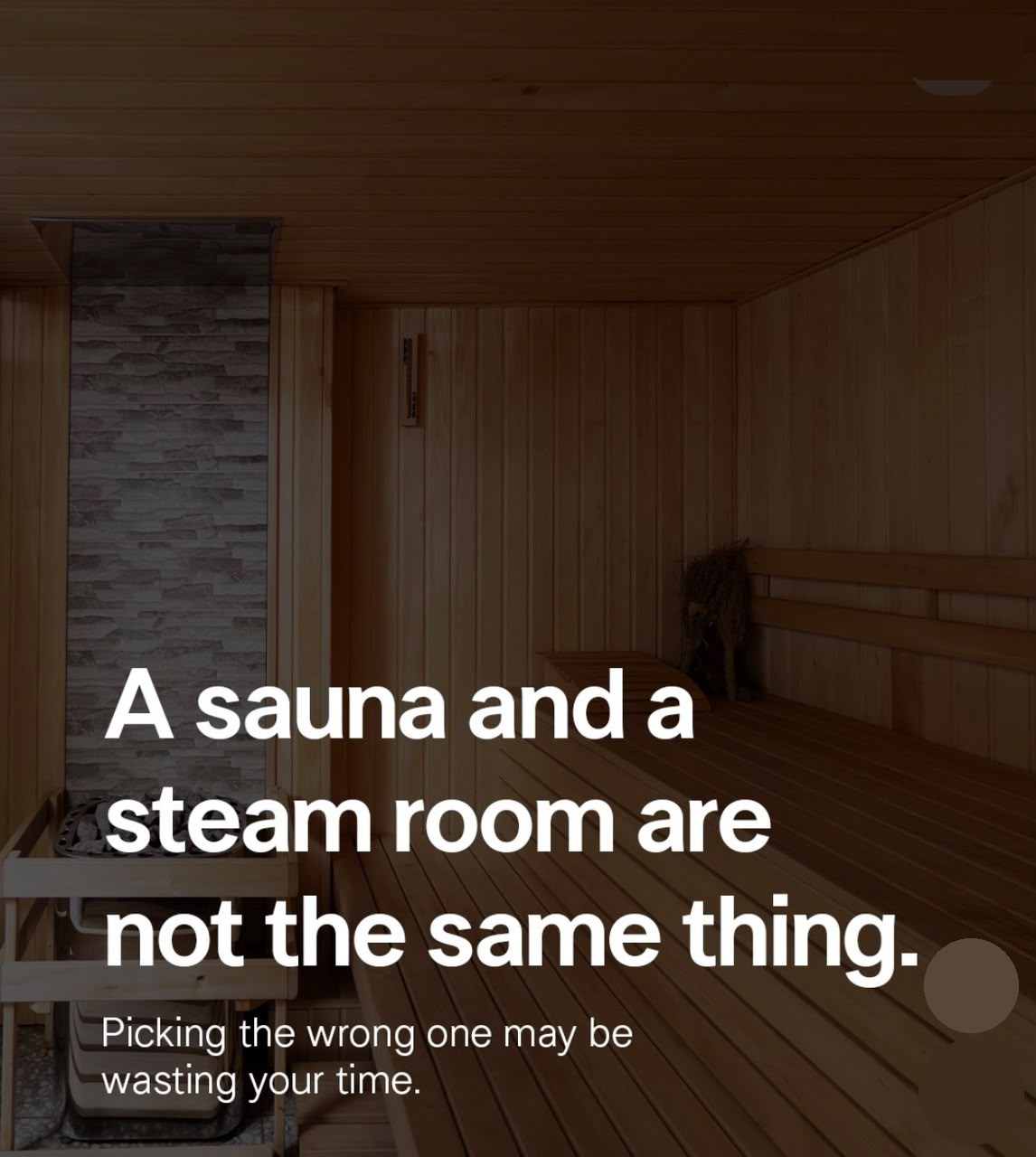

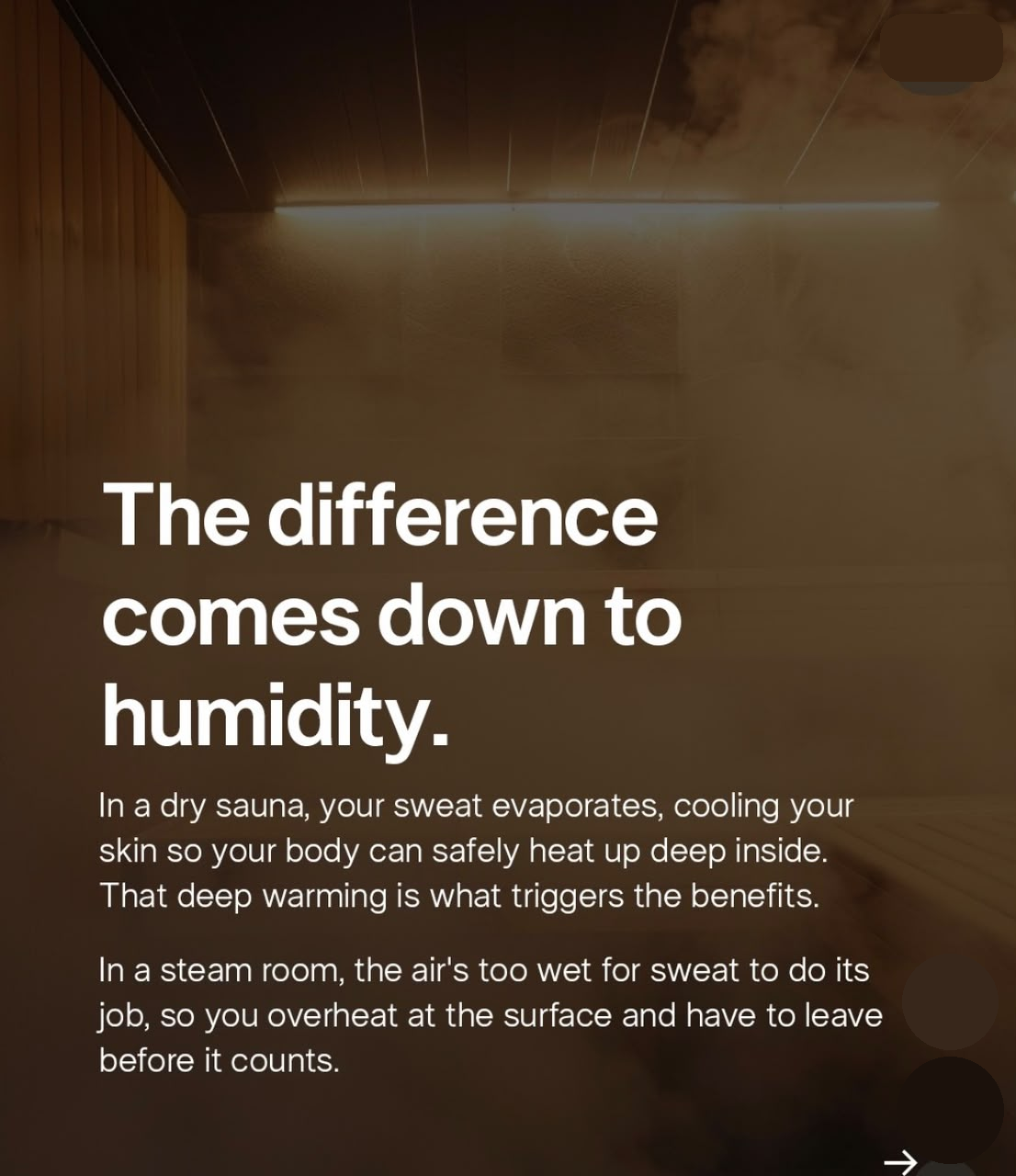
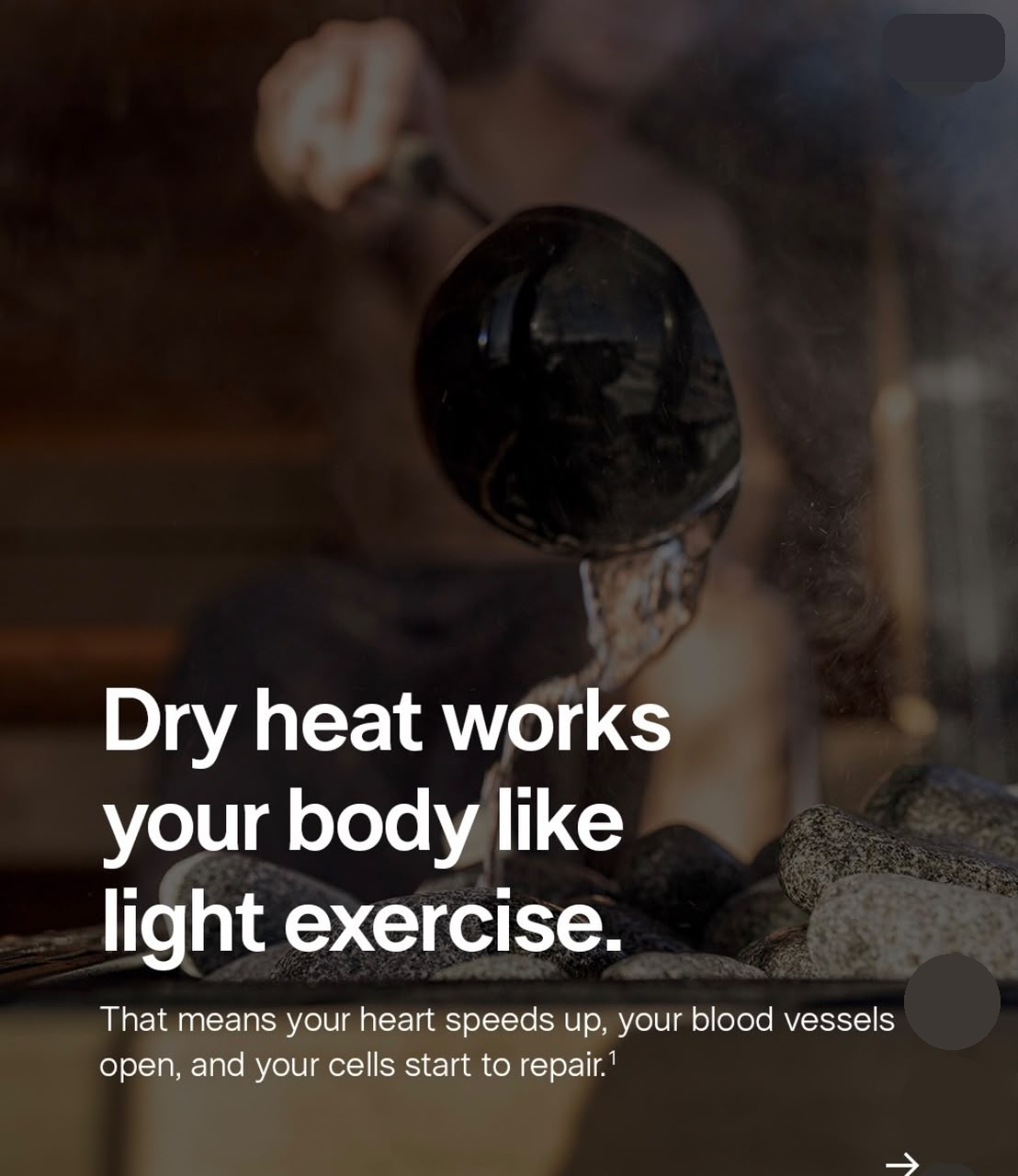
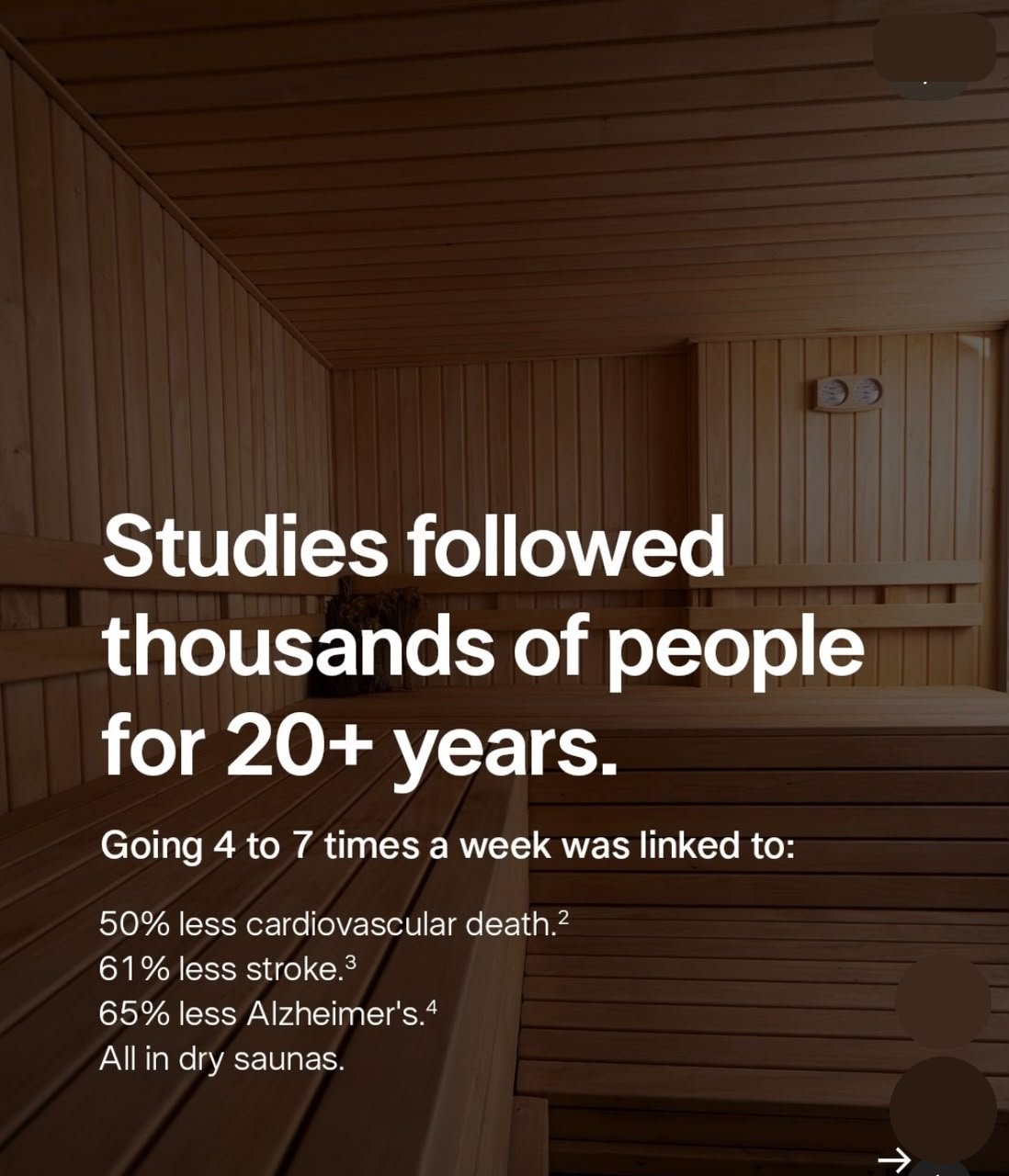
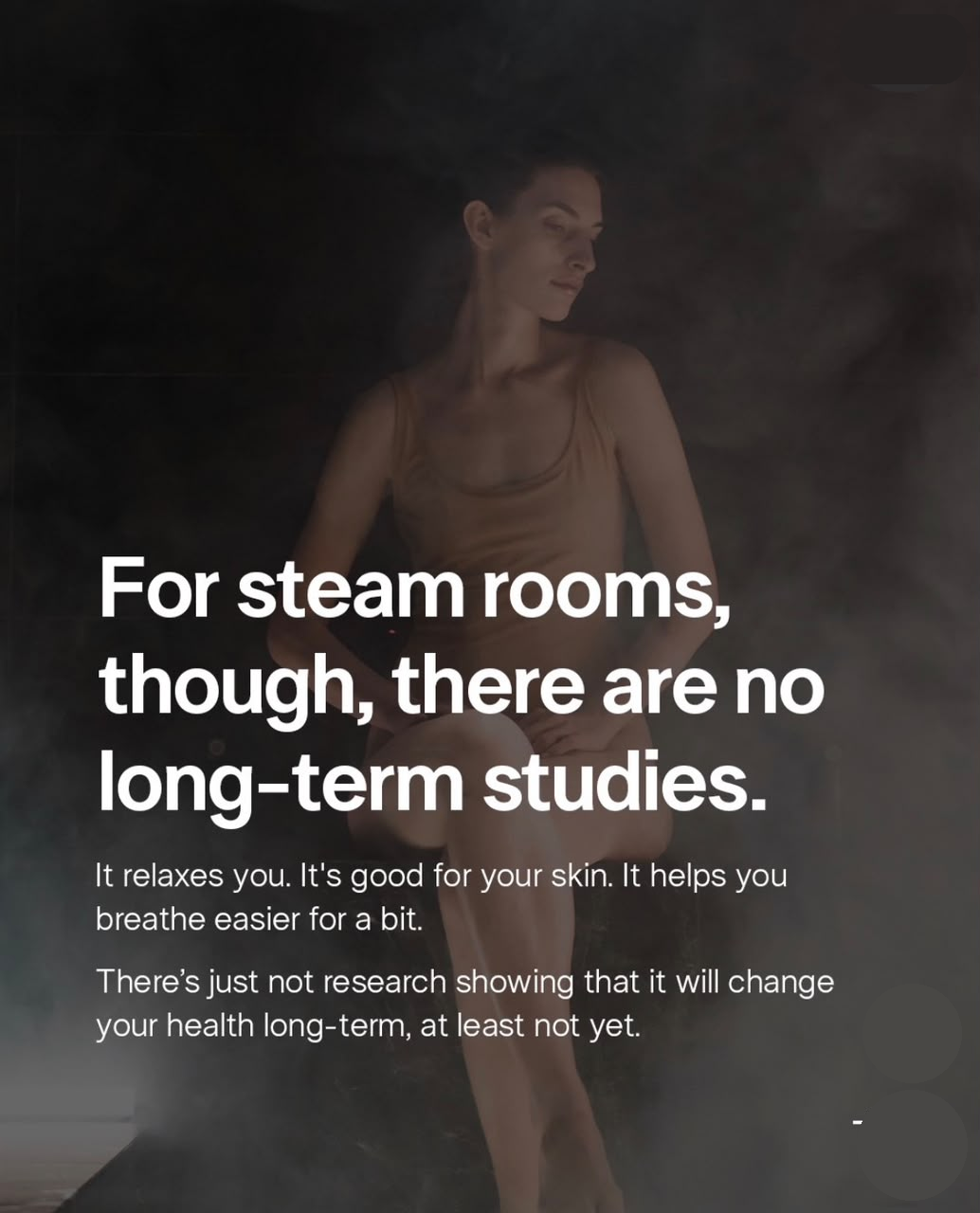
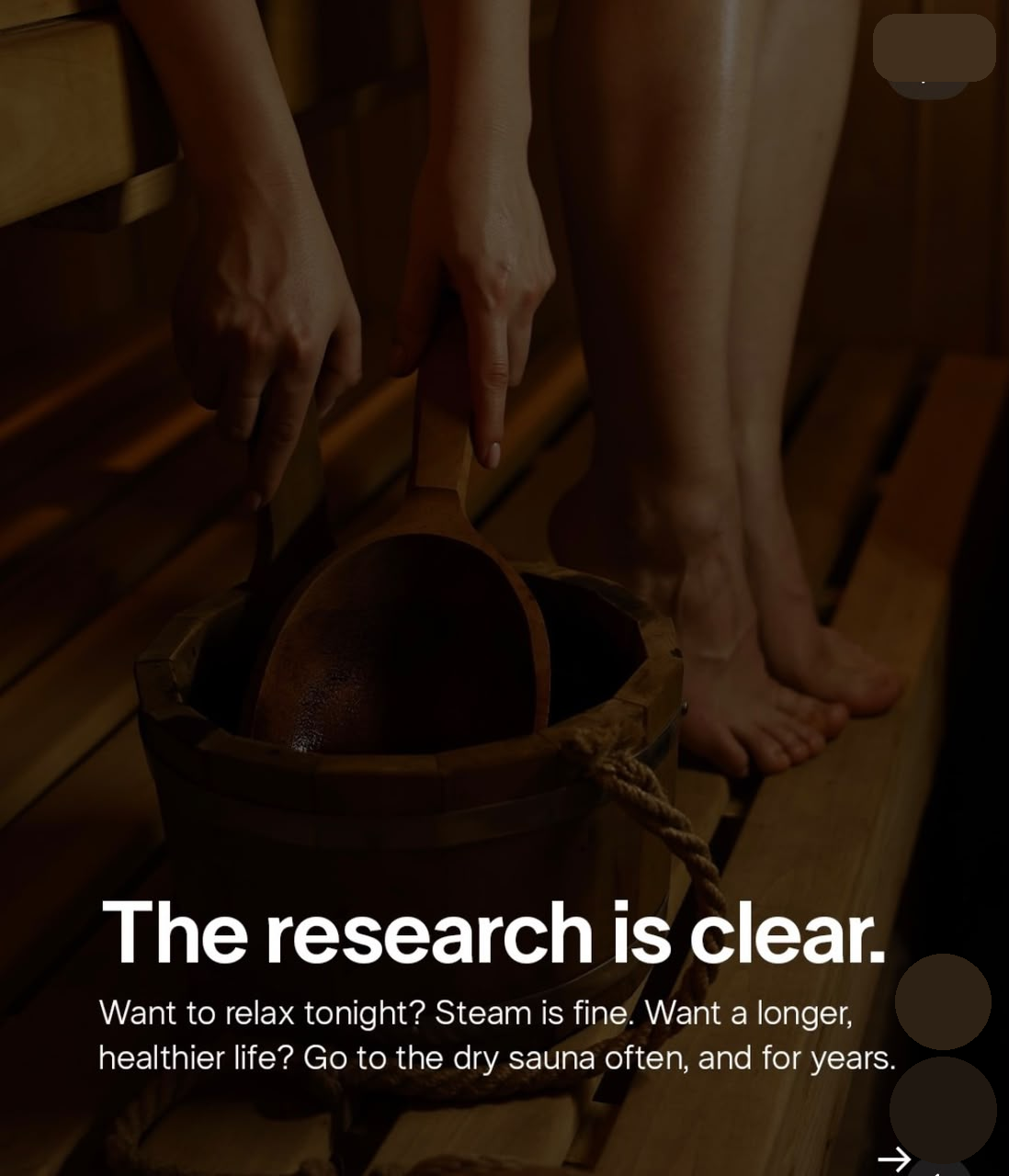
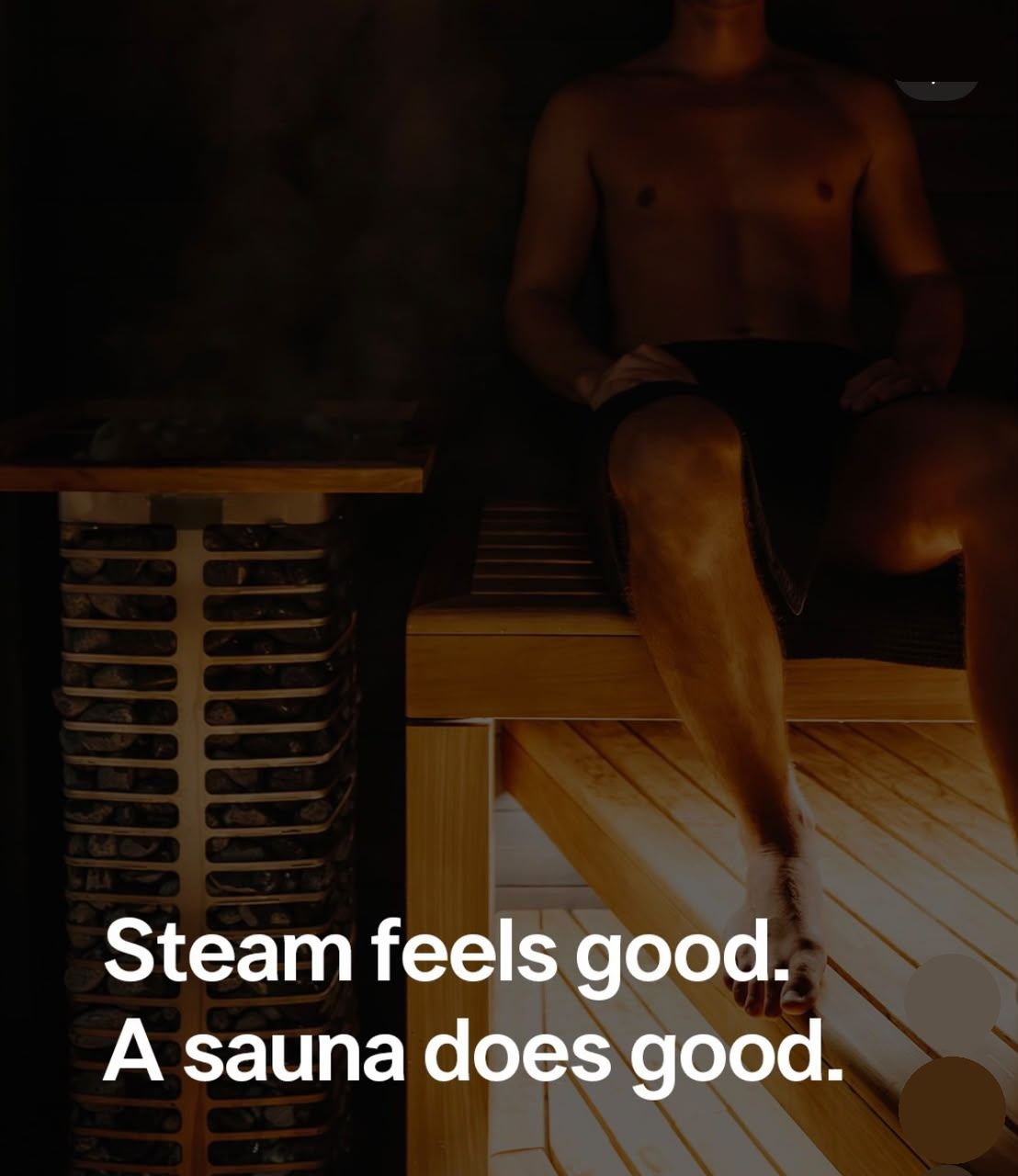
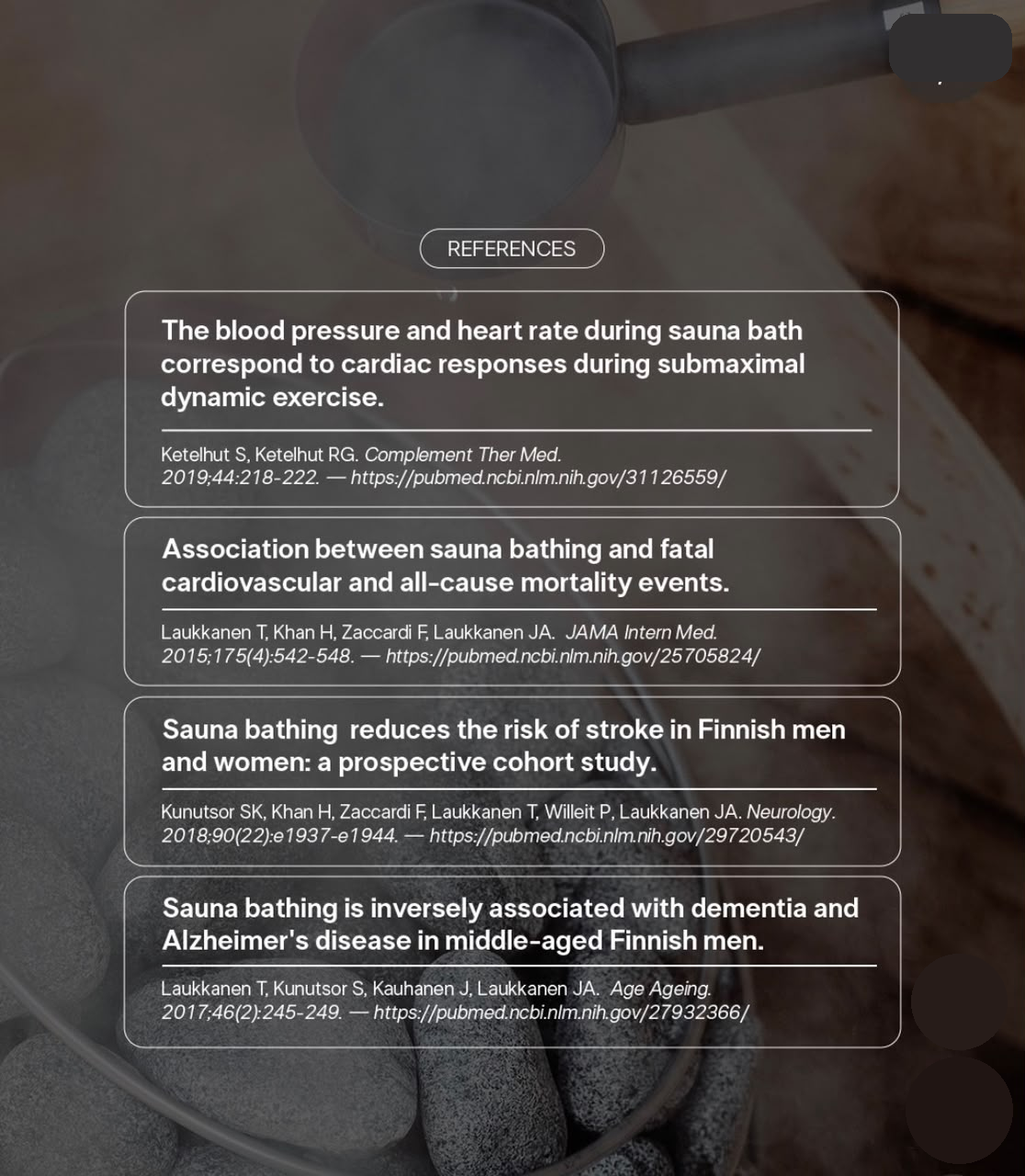
One has decades of research behind it, with studies linking regular use to significantly lower rates of cardiovascular disease, stroke, and Alzheimer's. The other feels great and helps you relax, but has no long-term data to back up the health claims.
The difference comes down to one thing: humidity. Swipe through to understand why it matters — and which one is actually worth your time.
Source: Instagram
by Kiran Sandhu
• 3 weeks, 3 days ago
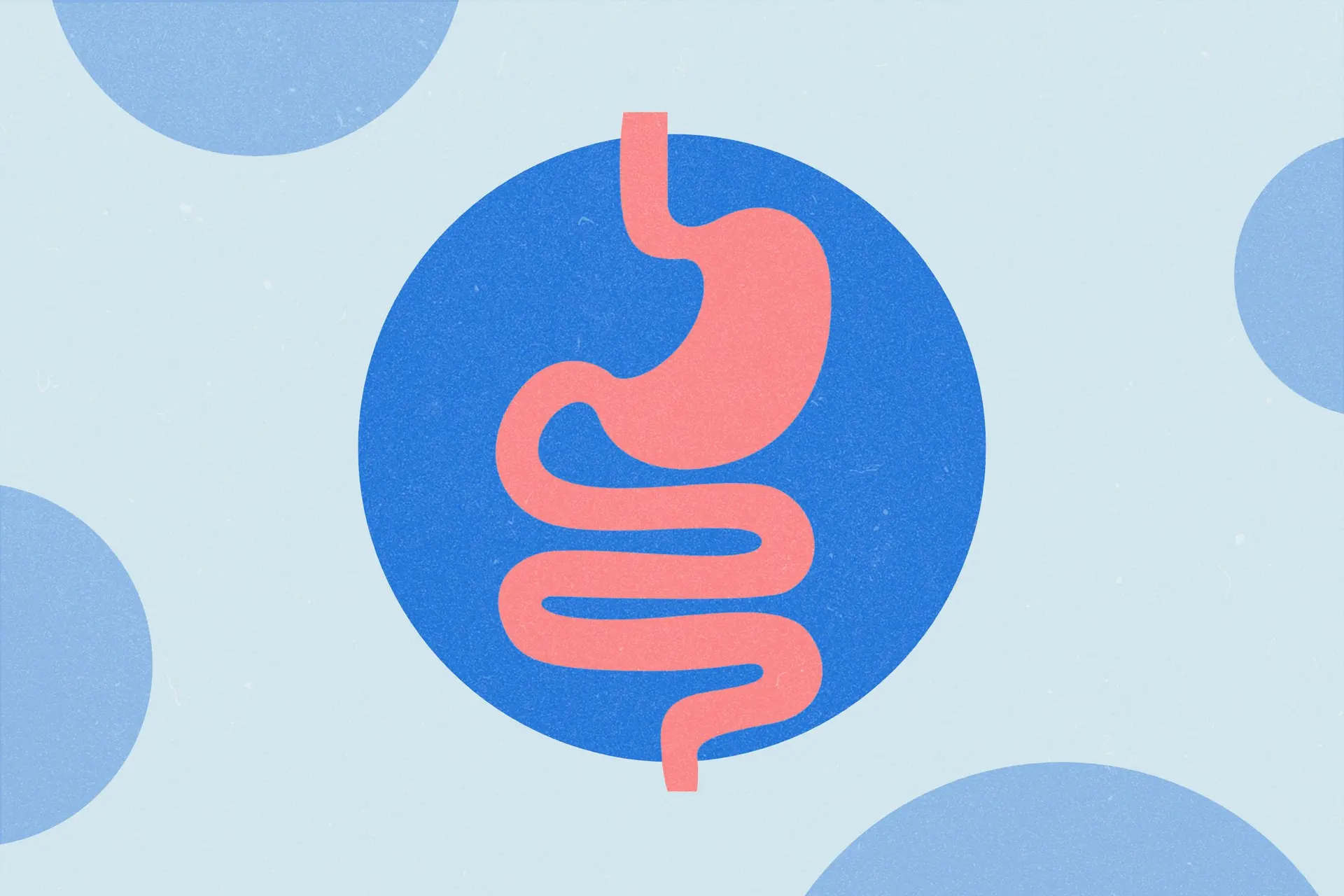
Even if you’re not experiencing any GI symptoms right now, certain habits can help ensure your gut stays in tip-top shape. Below, five gastroenterologists offer their advice on the single best thing you should do every day to improve your digestive health.
1. Eat the right foods at the right …
by Kiran Sandhu
• 3 weeks, 5 days ago
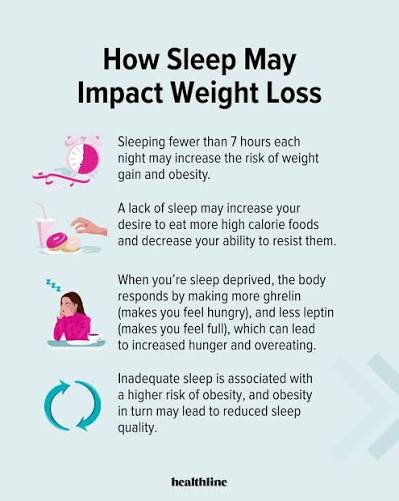
Studies show that getting less than 7 hours per night is linked to higher BMI and weight gain, partly because it can increase hunger hormones (ghrelin), decrease fullness signals (leptin), and raise cravings for high-calorie foods. Sleep deprivation can also harm decision-making and reduce your motivation to stay active.
Want to see better results? Try creating a relaxing bedtime routine, avoiding caffeine and large evening meals, and turning off screens at least an hour before sleep to support both rest and weight management.
by Kiran Sandhu
• 3 weeks, 5 days ago

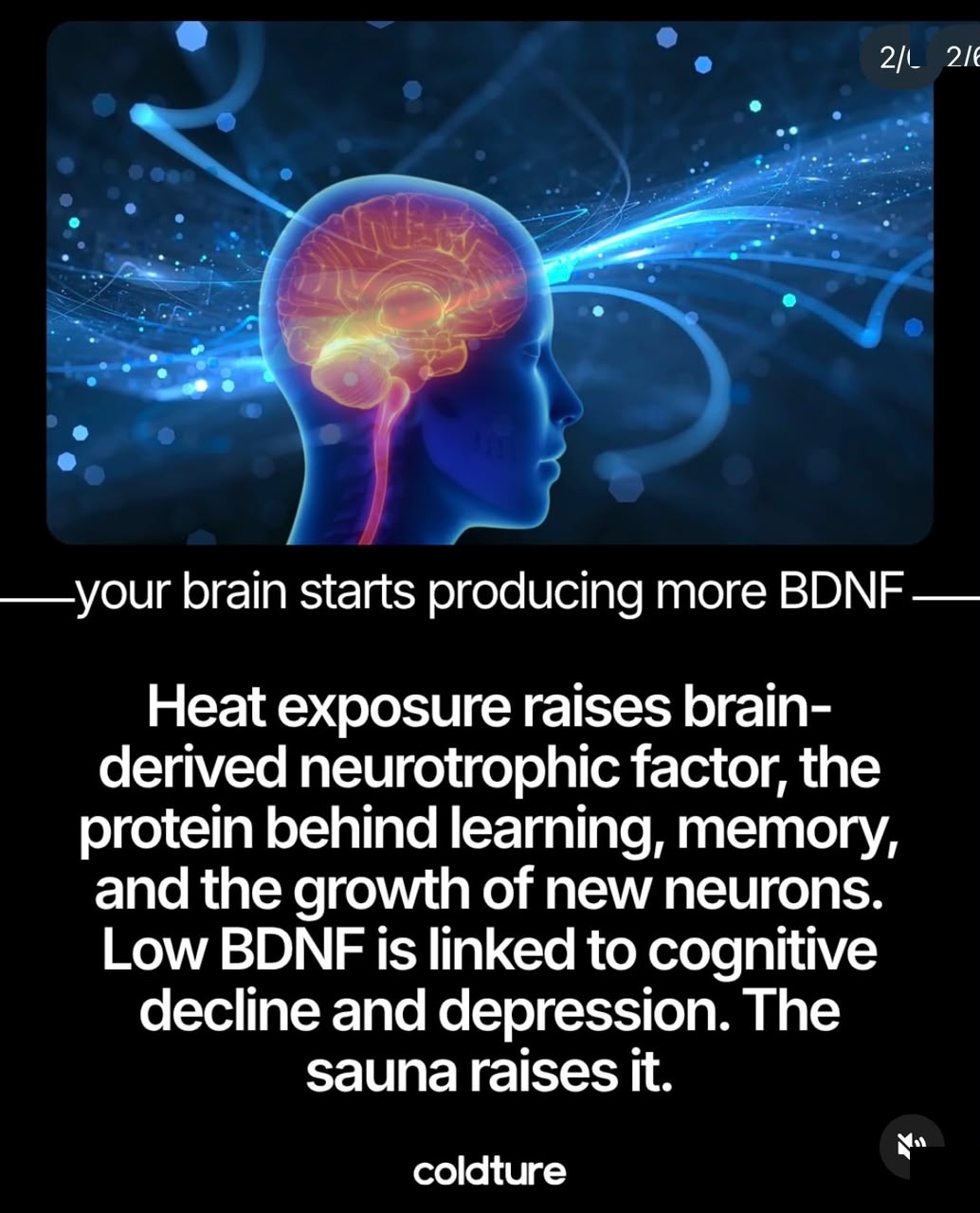
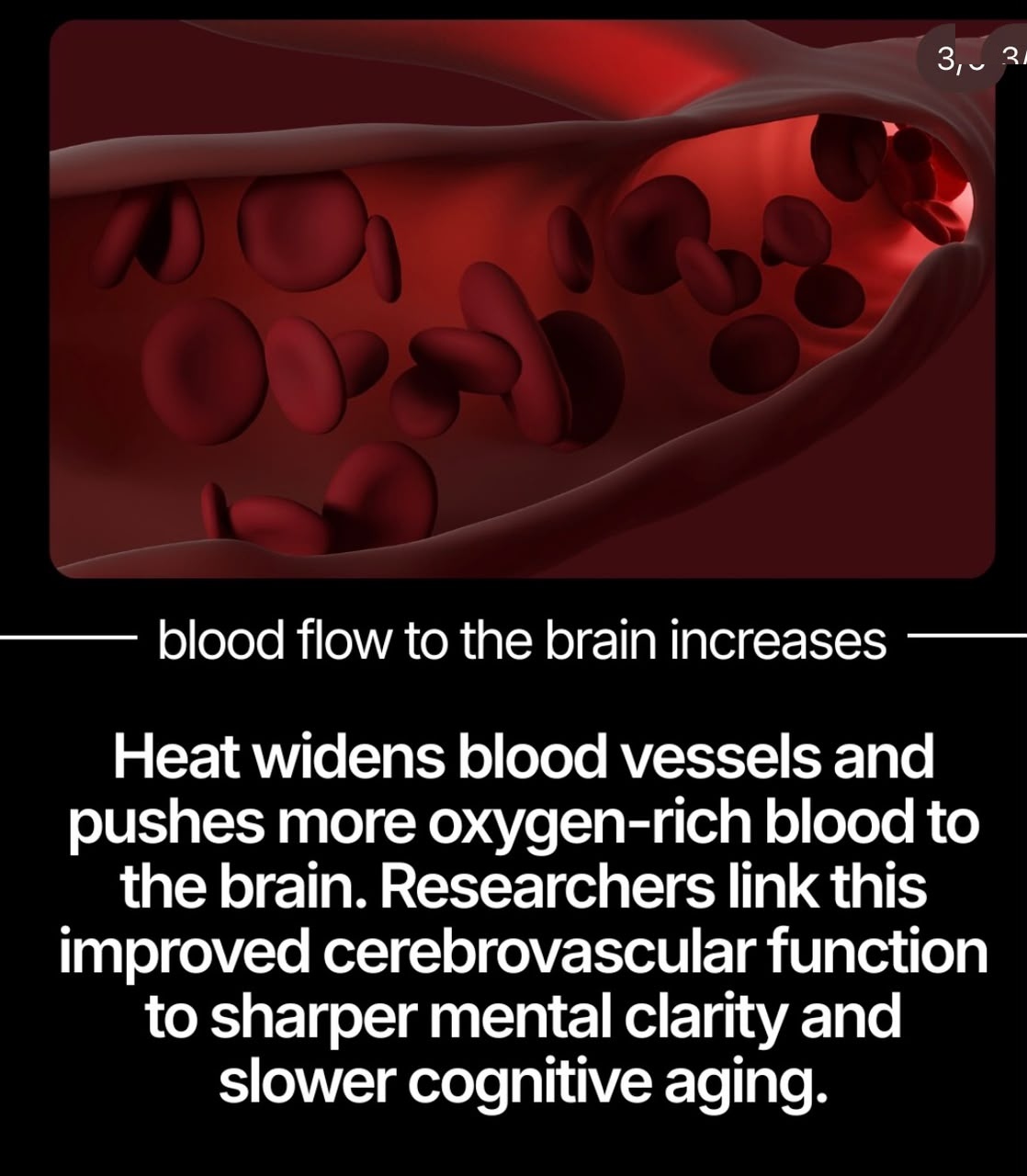
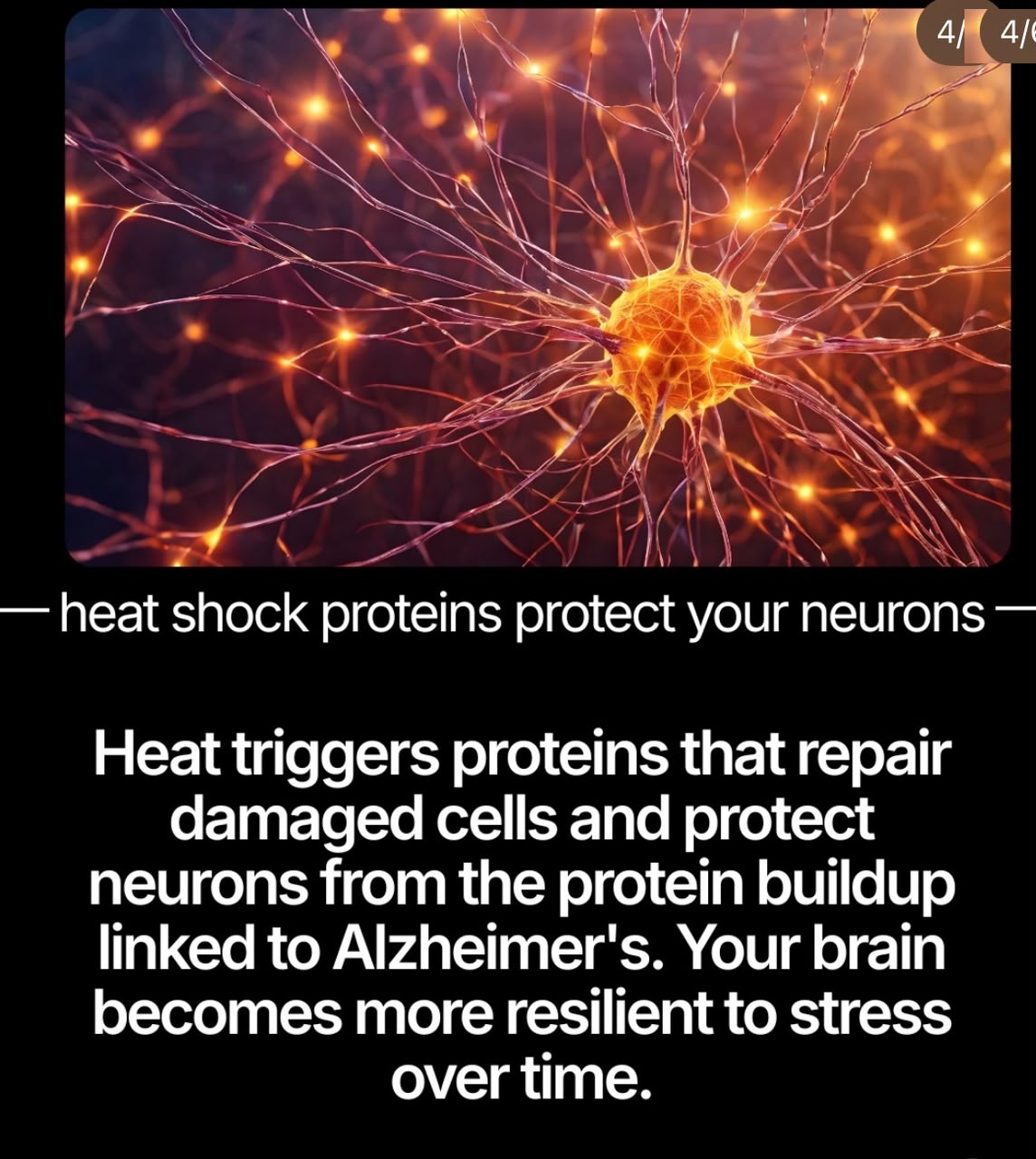
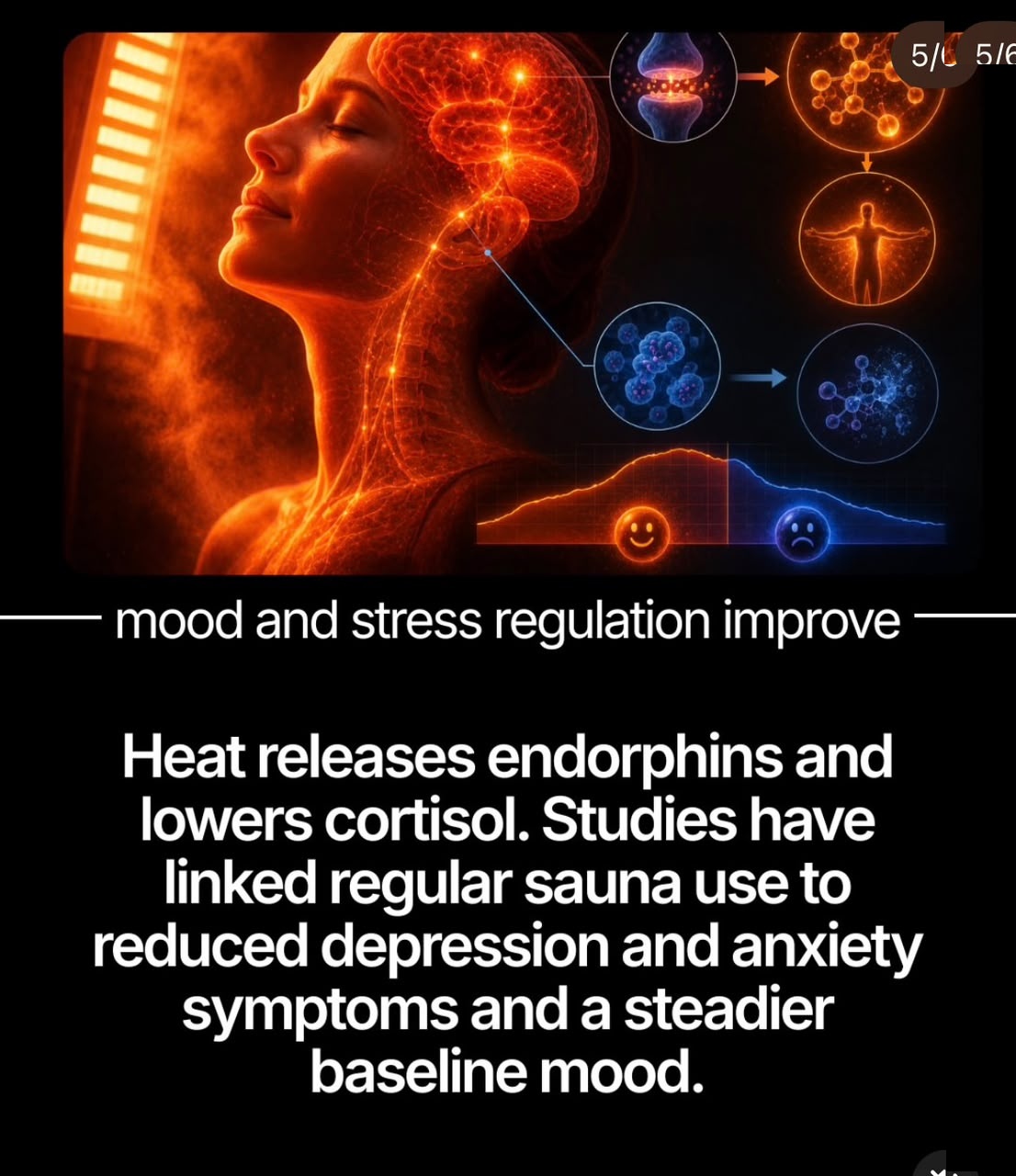
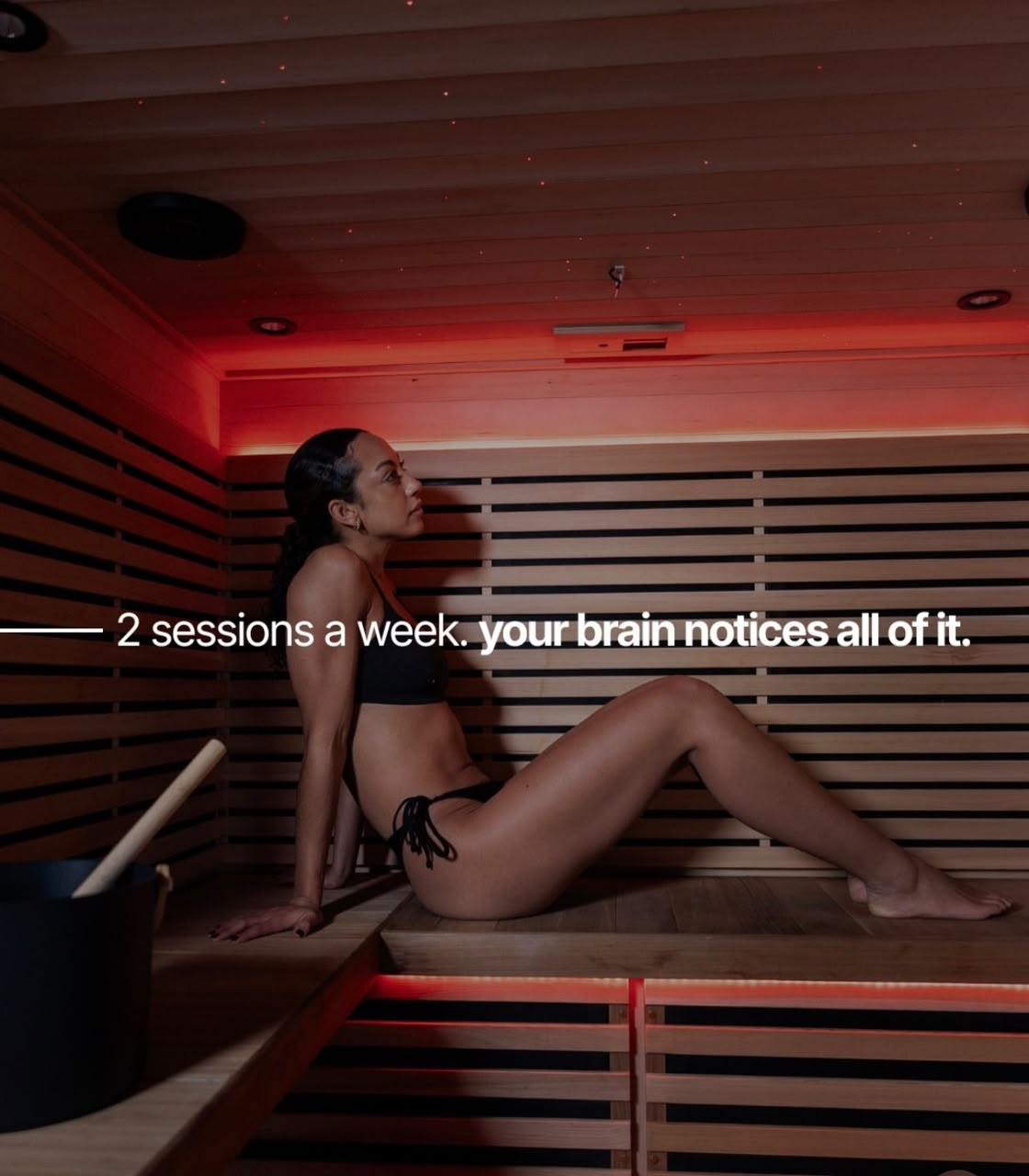
Just 2 sessions a week can boost BDNF (the protein that supports memory and learning), increase oxygen-rich blood flow to the brain, trigger proteins that protect our neurons from damage and help regulate our mood by lowering stress hormones.
The best part? You don't need hours. You just need consistency.
Source: @coldture (Instagram)
by Kiran Sandhu
• 4 weeks ago
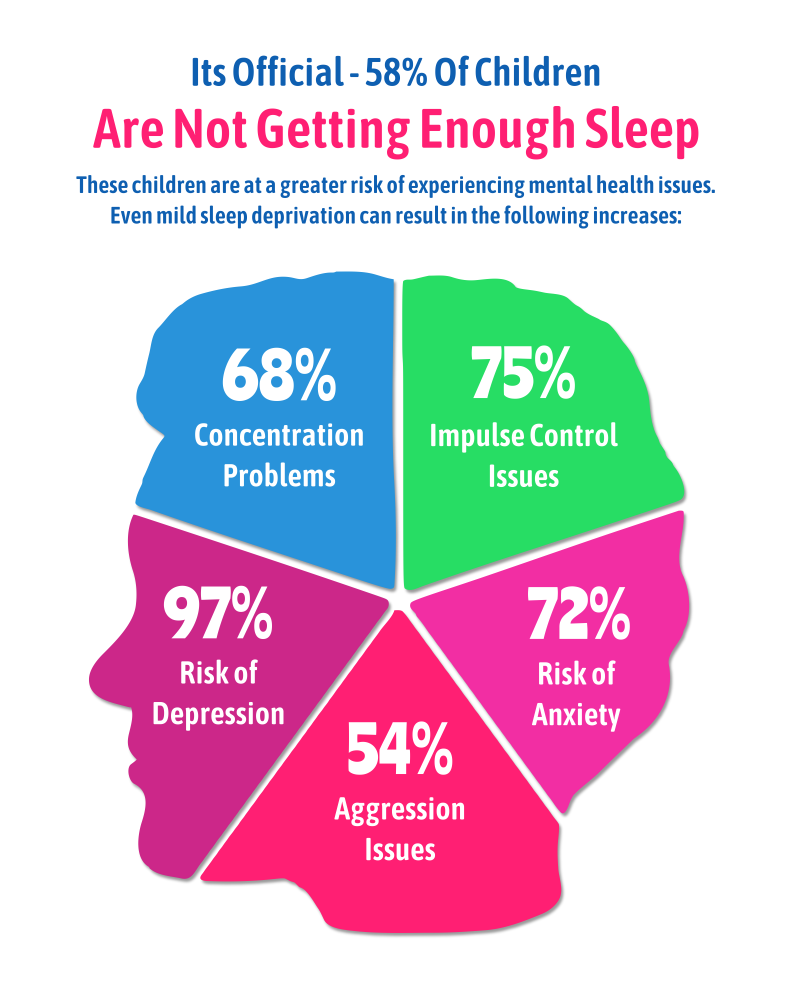
📚 Studies show that children who are getting enough sleep have a healthier immune system, perform better in school, and are cognitively healthier than those who do not.
⚠️ Children can bounce back from a few missed hours here and there, but regular sleep deprivation will lead to difficult behaviors and health problems. If your child is irritable, has difficulty concentrating, depressed, obese, or prone to headaches, sleep deprivation …
by Kiran Sandhu
• 4 weeks, 1 day ago
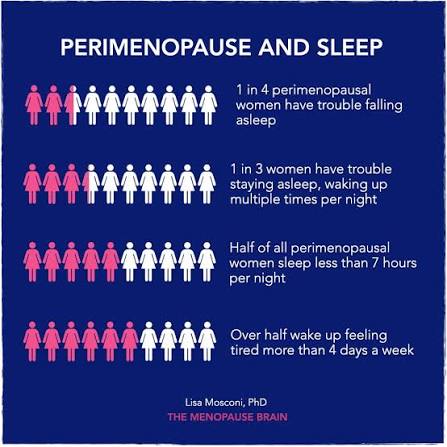
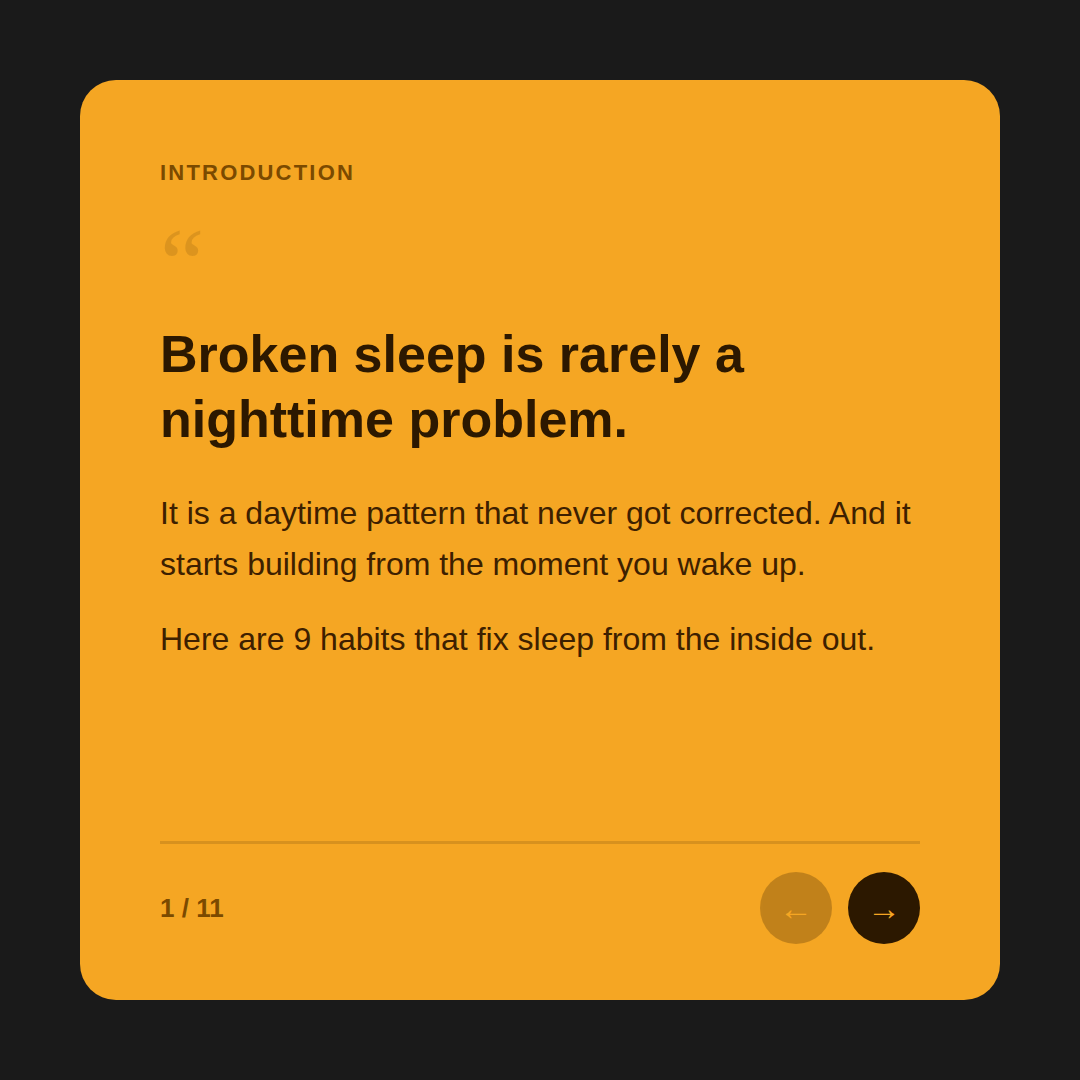
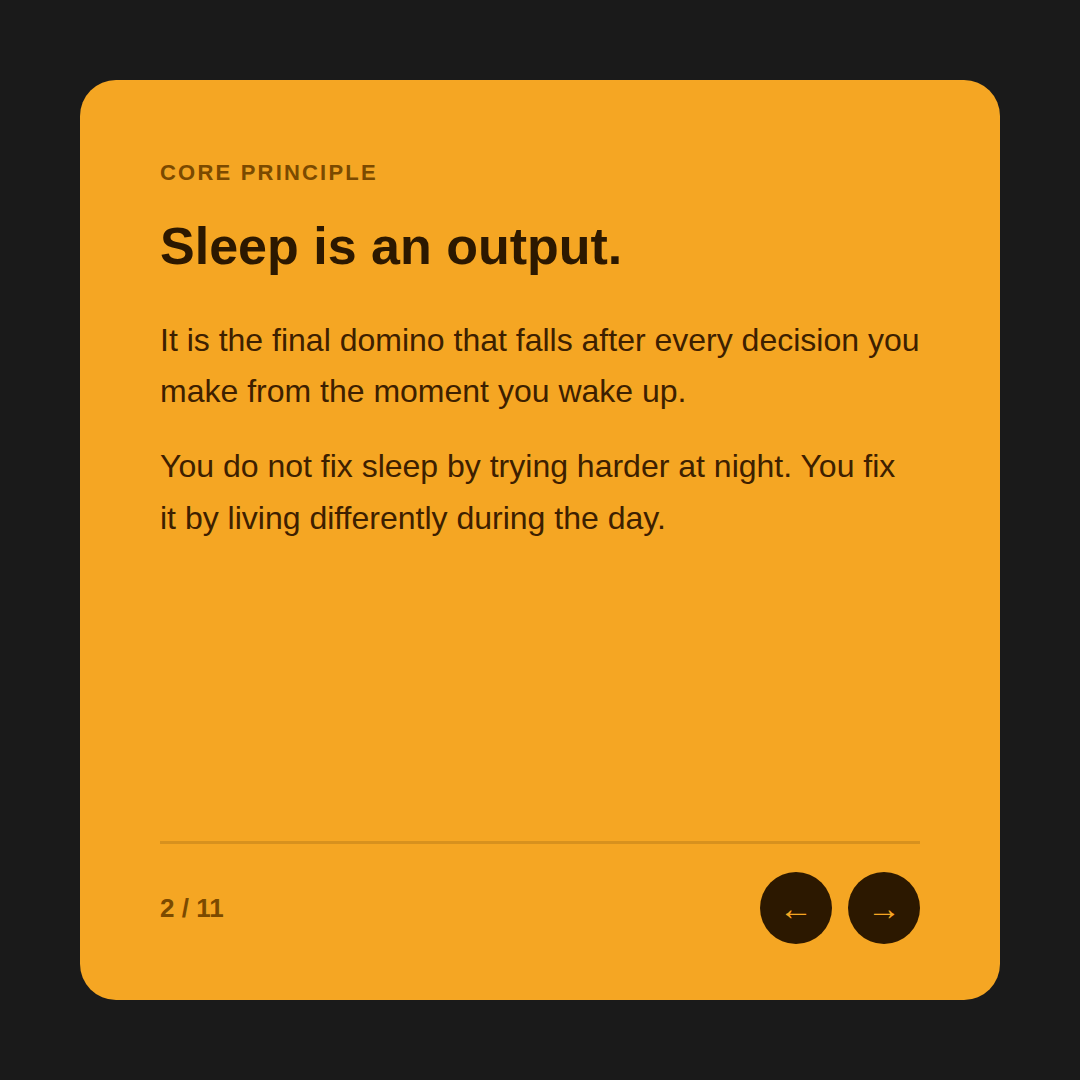
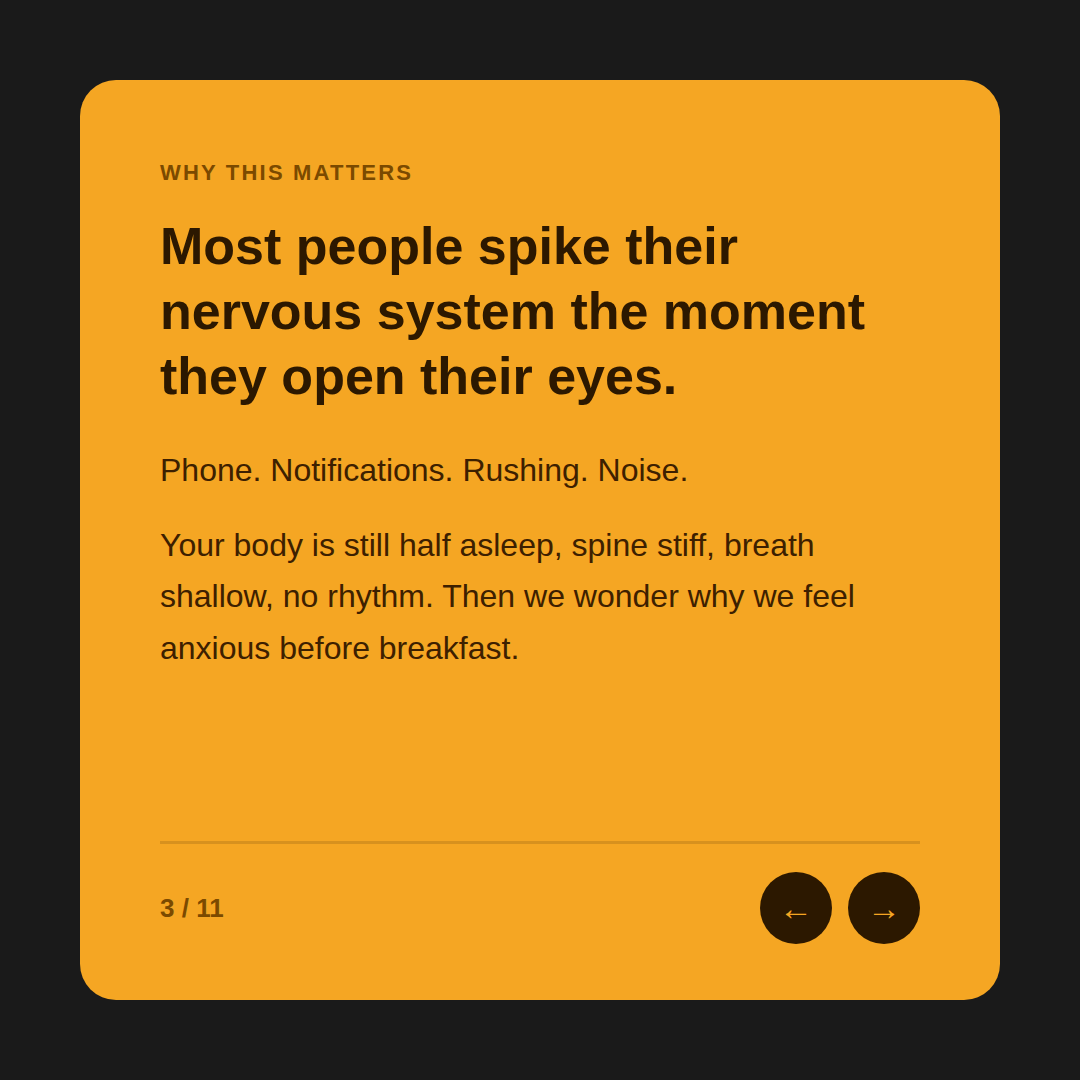
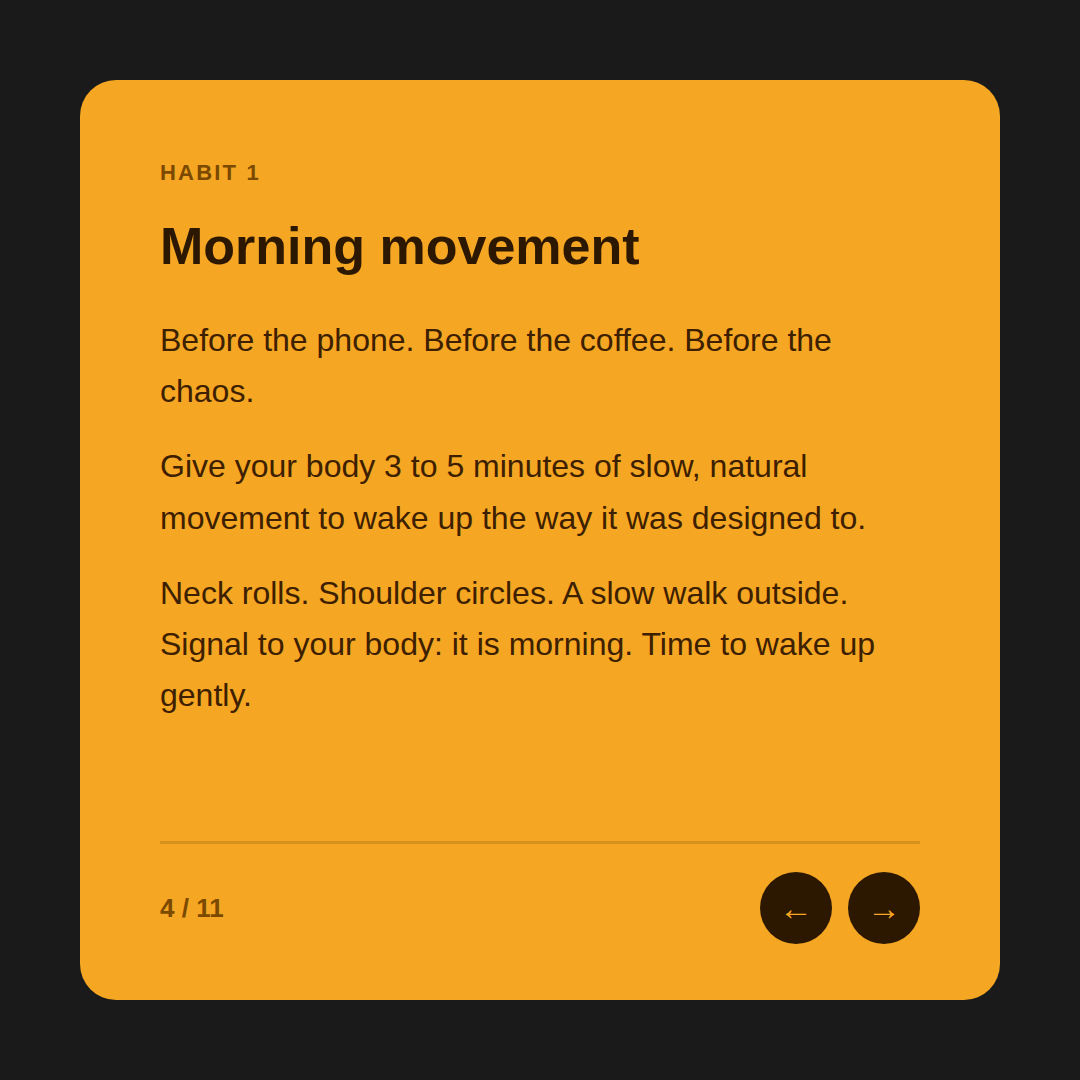
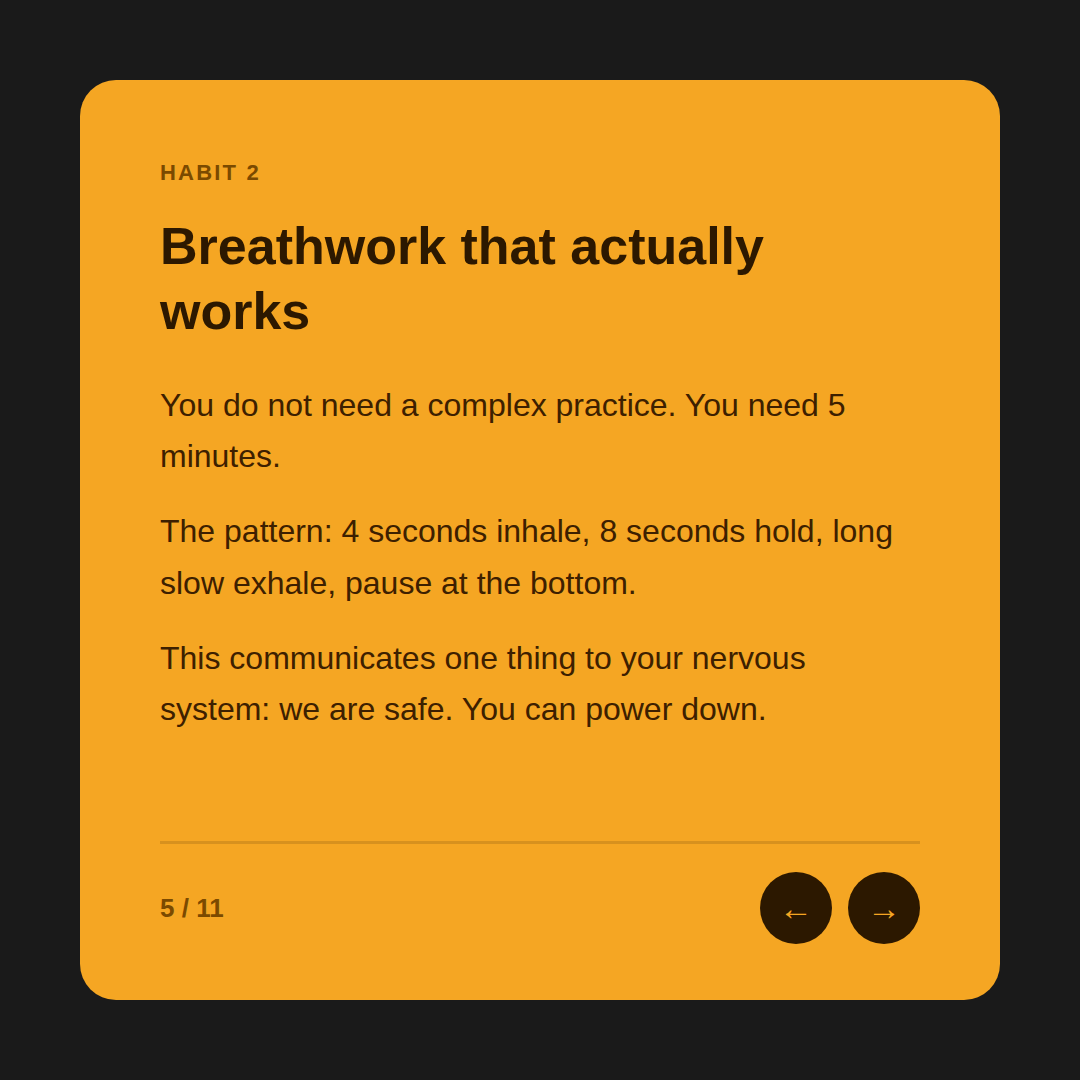
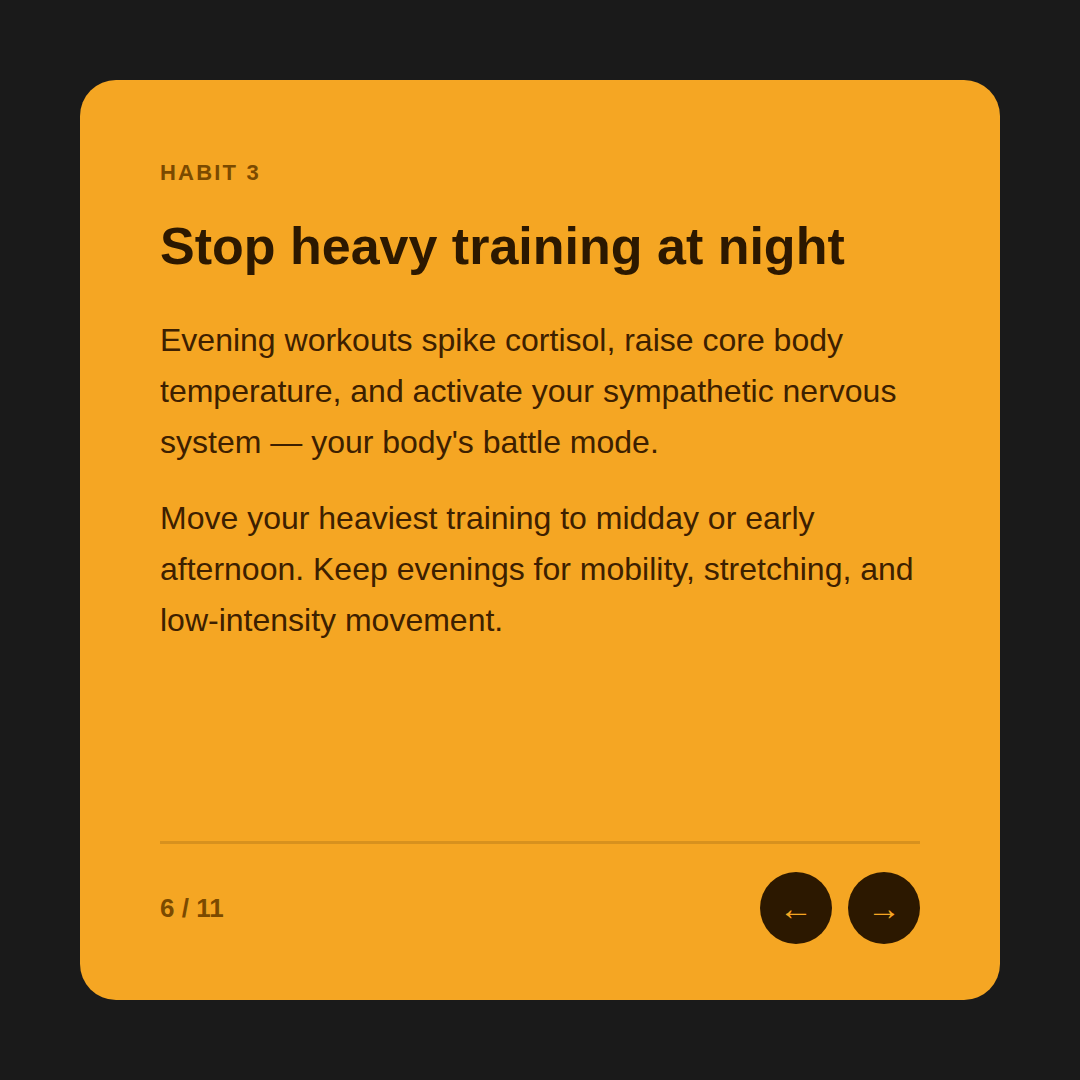
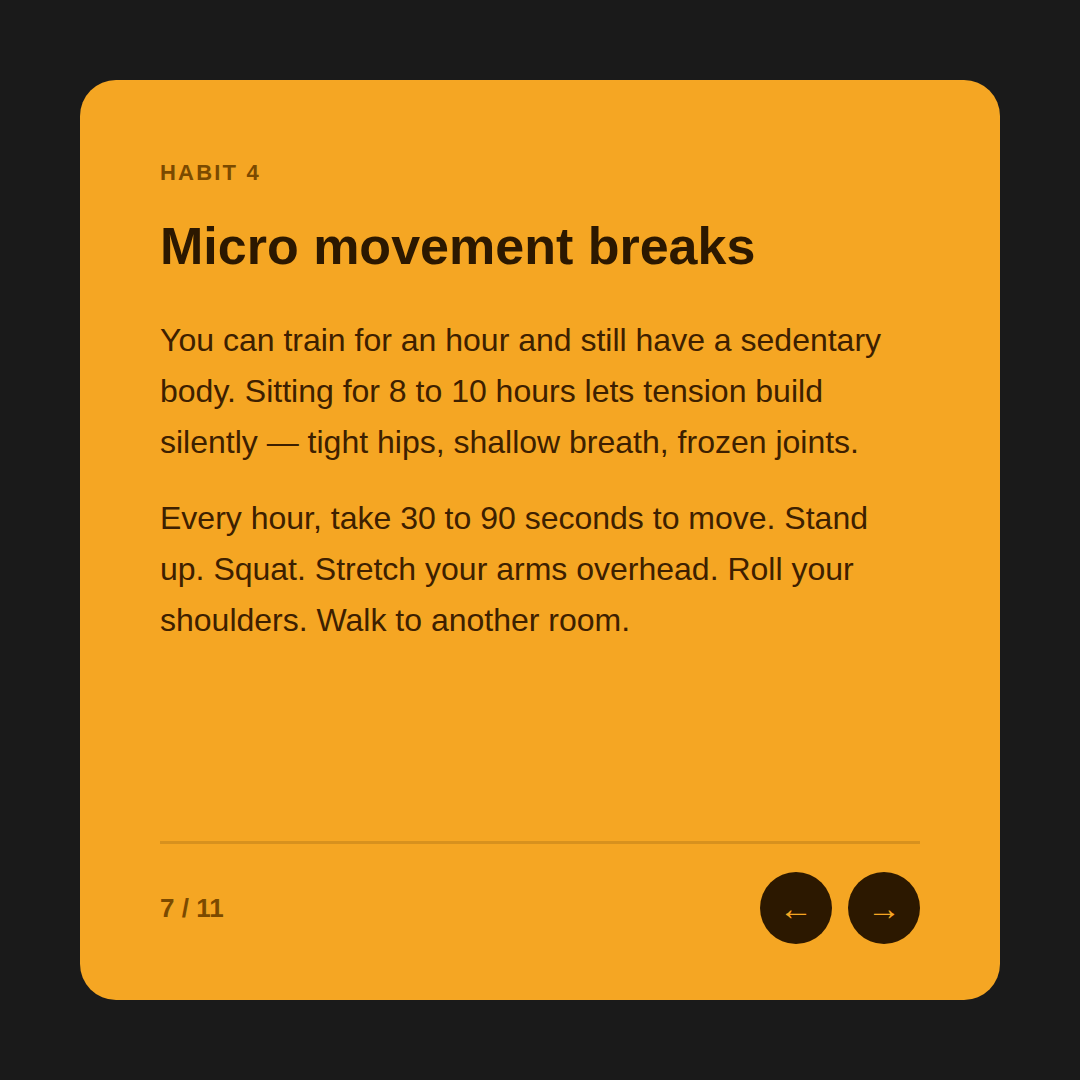
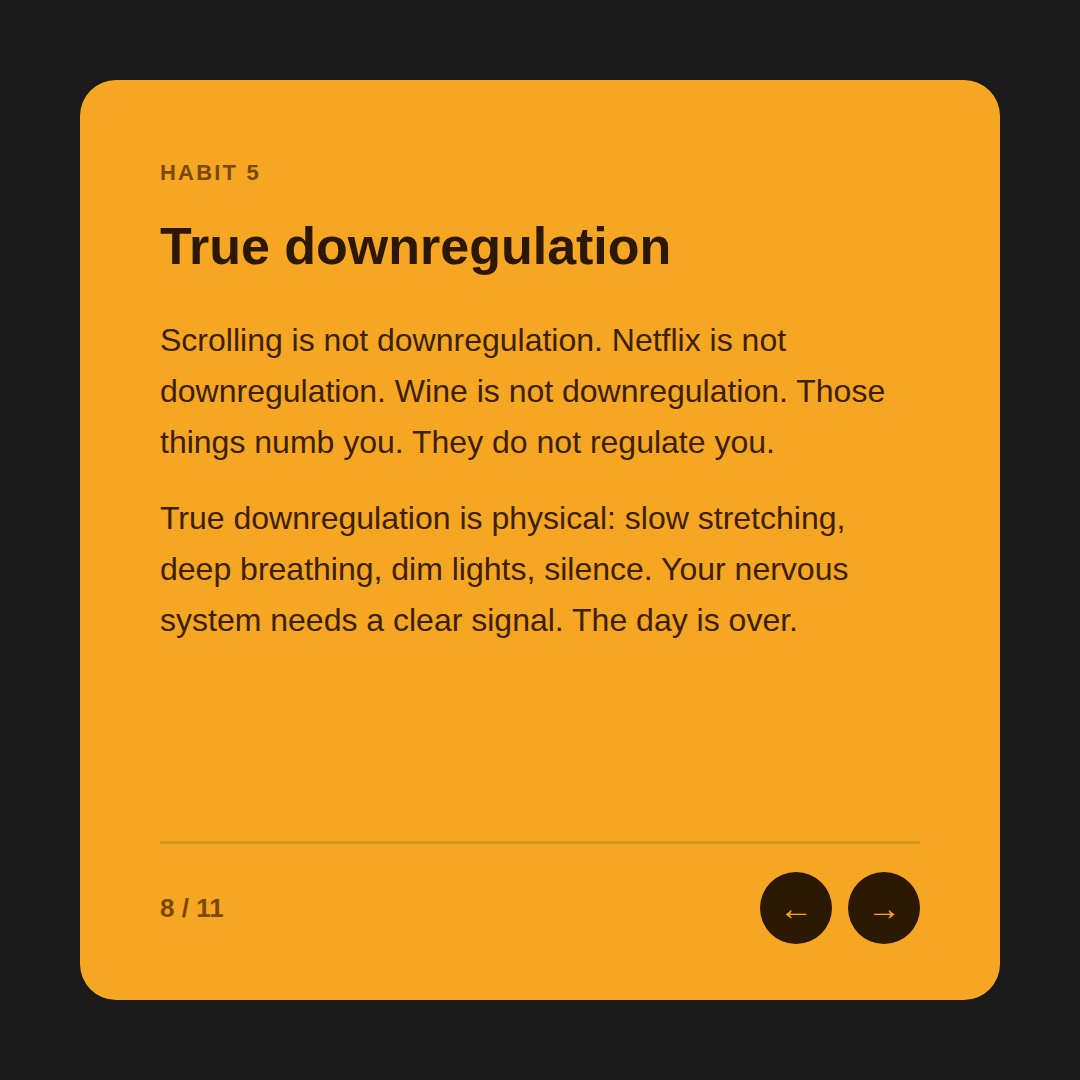
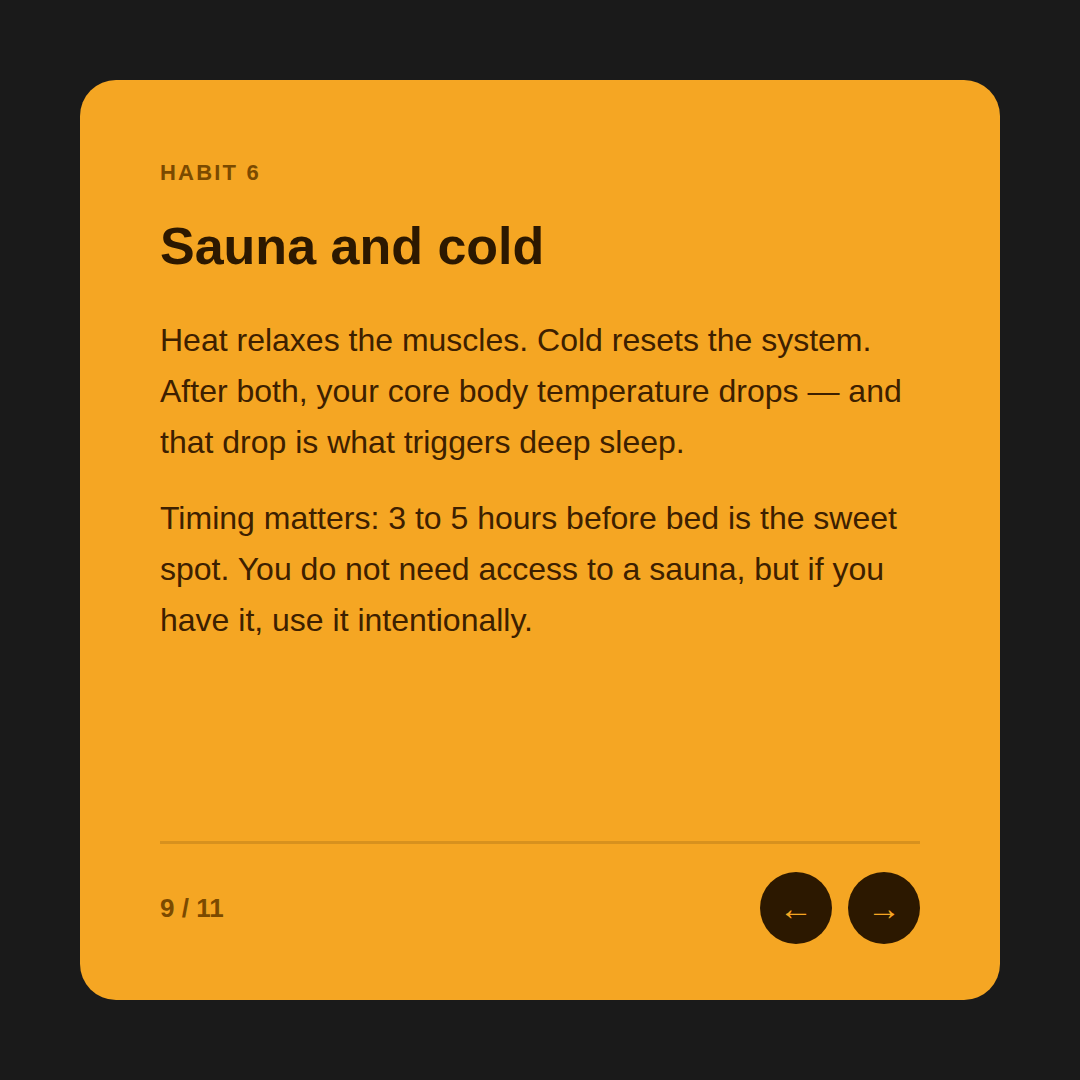
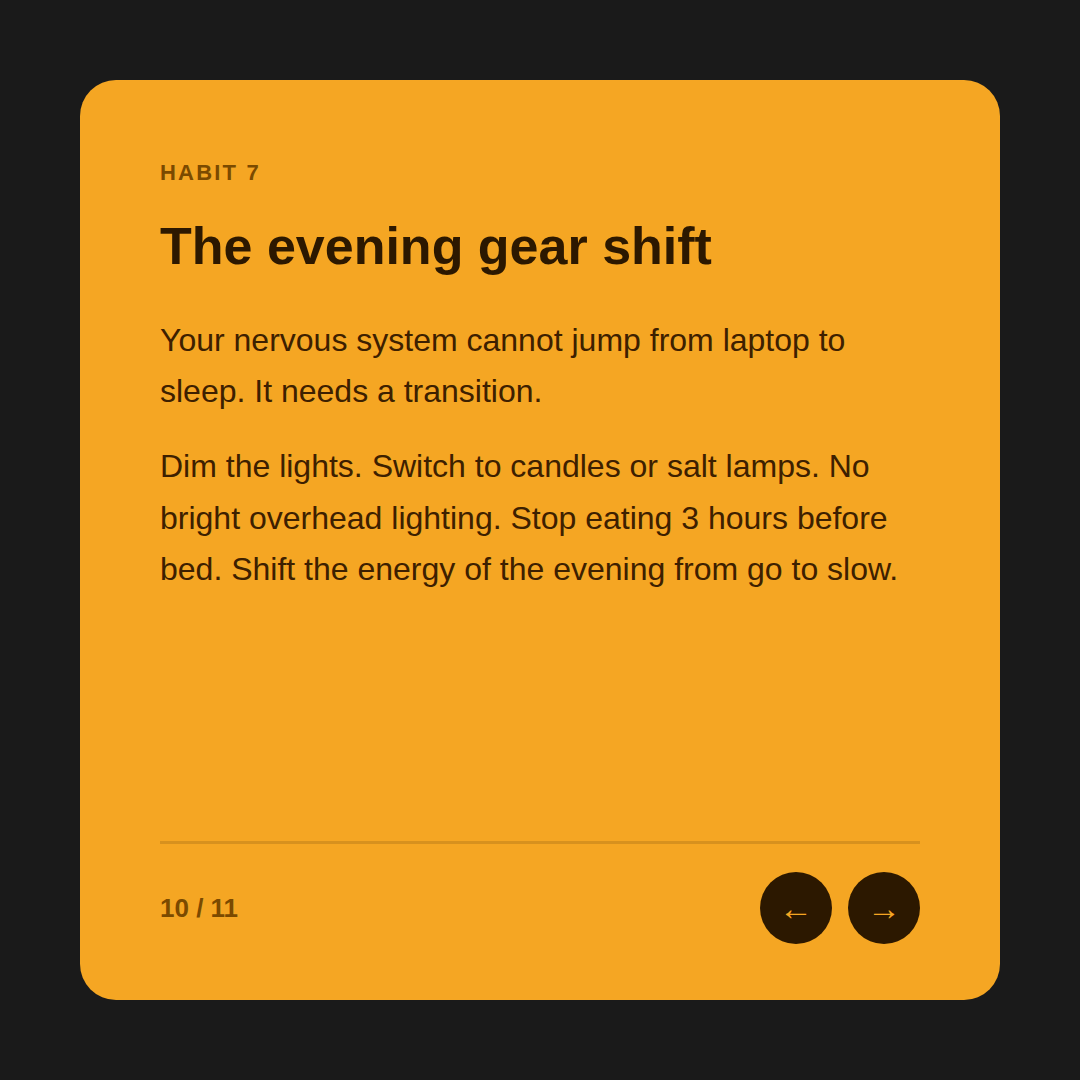
These 8 habits shifts the way we think about rest. Not sleep hacks. Just small, consistent inputs throughout the day that tell our body it is safe to switch off.
by Kiran Sandhu
• 1 month ago
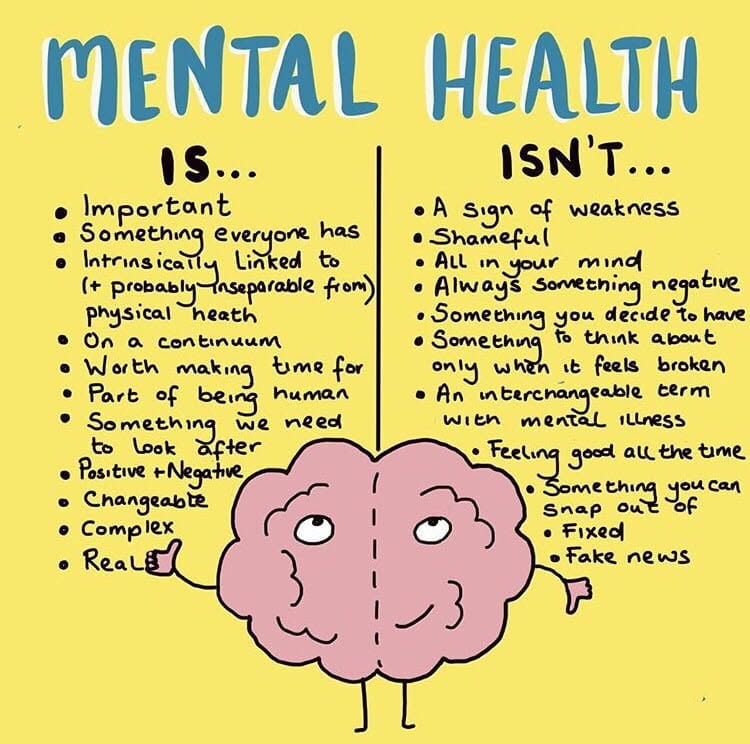
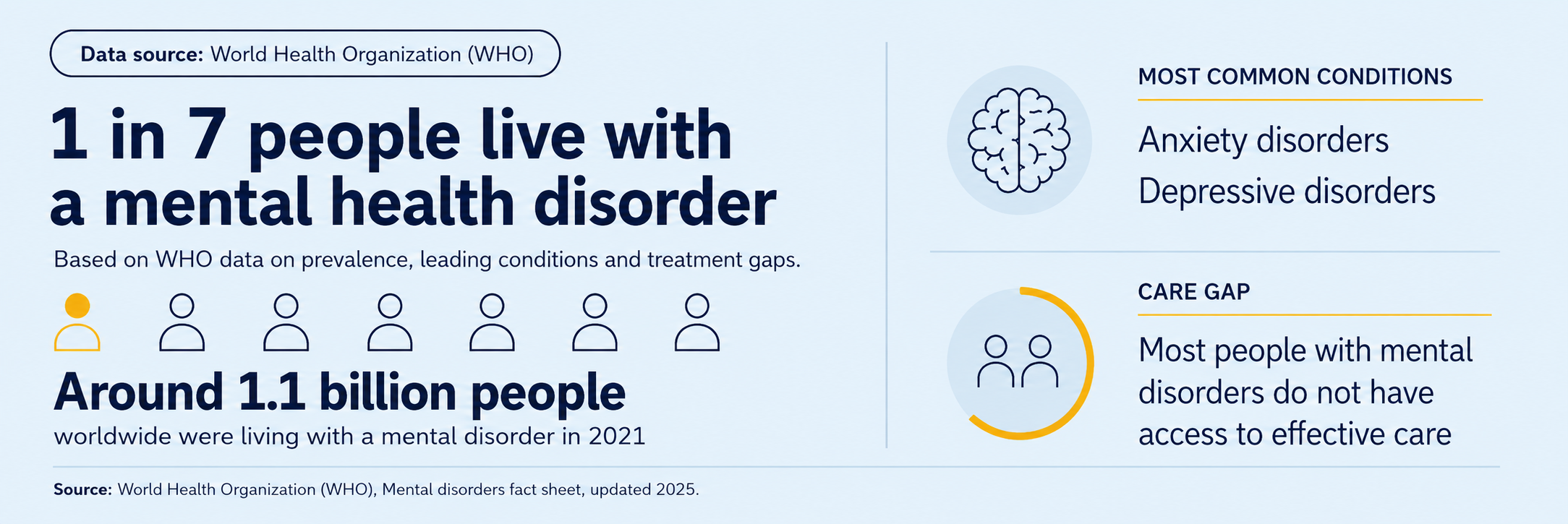
Mental health is something everyone has — not just those going through a hard time. It's a real, complex and changeable part of being human and it's closely tied to our physical health.
Mental health is:
- Important
- Something everyone has
- On a continuum — meaning it works like a sliding scale. At any time you might be thriving, doing okay, or struggling, and you move along that scale throughout life. …
by Kiran Sandhu
• 1 month ago
This quick TED-Ed lesson explains how our food affects our gut microbiome.
This video focuses on digestion, but newer research also links a diverse, healthy gut to healthy aging and longevity — with a high-fiber, plant-rich diet being one of the biggest factors.
Source: Source: TED-Ed | "How the food you eat affects your gut" | Lesson by Shilpa Ravella
by Kiran Sandhu
• 1 month ago
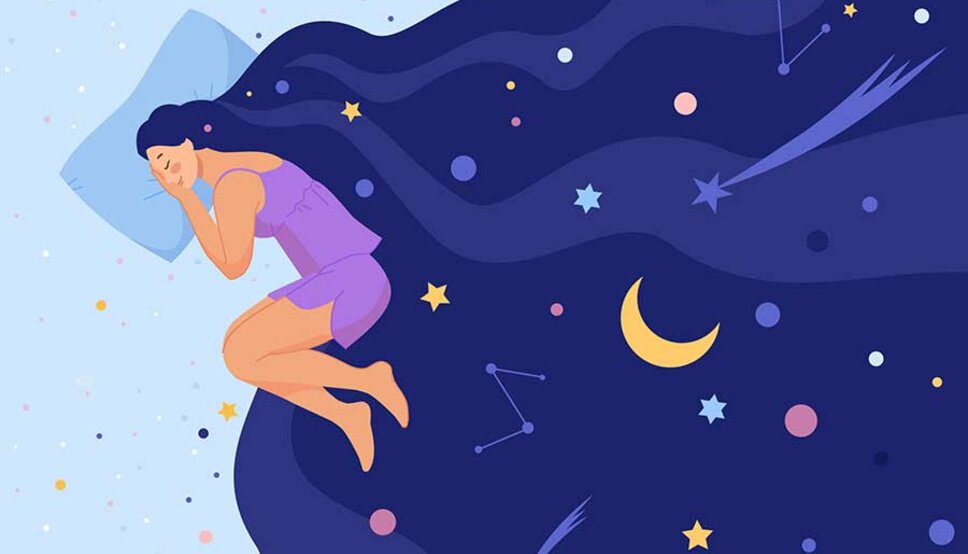
What is melatonin?
Melatonin is a hormone created naturally by our bodies to regulate sleep. Our brain produces melatonin in response to darkness - so when we notice that it's dark outside, our brains produce more melatonin. When we are exposed to light at night, such as the lights from screens or bright overhead lights, our brain may not produce enough melatonin to help us sleep.
How can melatonin be used?
Some people use melatonin supplements to help them fall asleep. Melatonin can also be used to …
by Kiran Sandhu
• 1 month ago
According to Dr. Berg, sauna therapy may help support:
✅ Healthy circulation
✅ Lymphatic flow
✅ Resting heart rate
✅ Blood pressure support
✅ Immune system function
✅ Pain and inflammation relief
✅ Muscle recovery
✅ Cognitive function
✅ Insulin sensitivity
✅ Skin
✅ Autophagy
✅ Melatonin production when using infrared sauna
He also reminds that hydration and electrolyte balance are …
by Kiran Sandhu
• 1 month ago
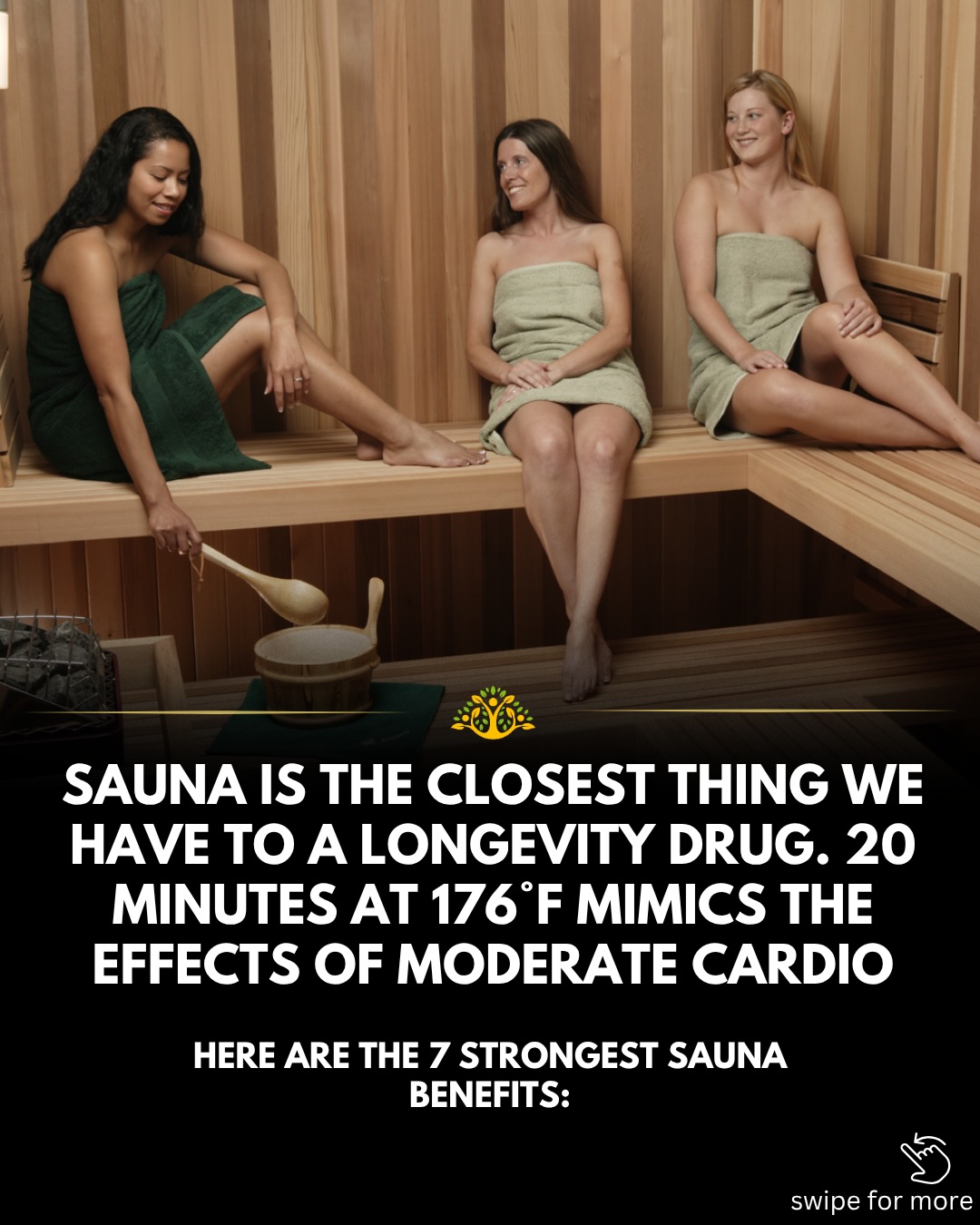
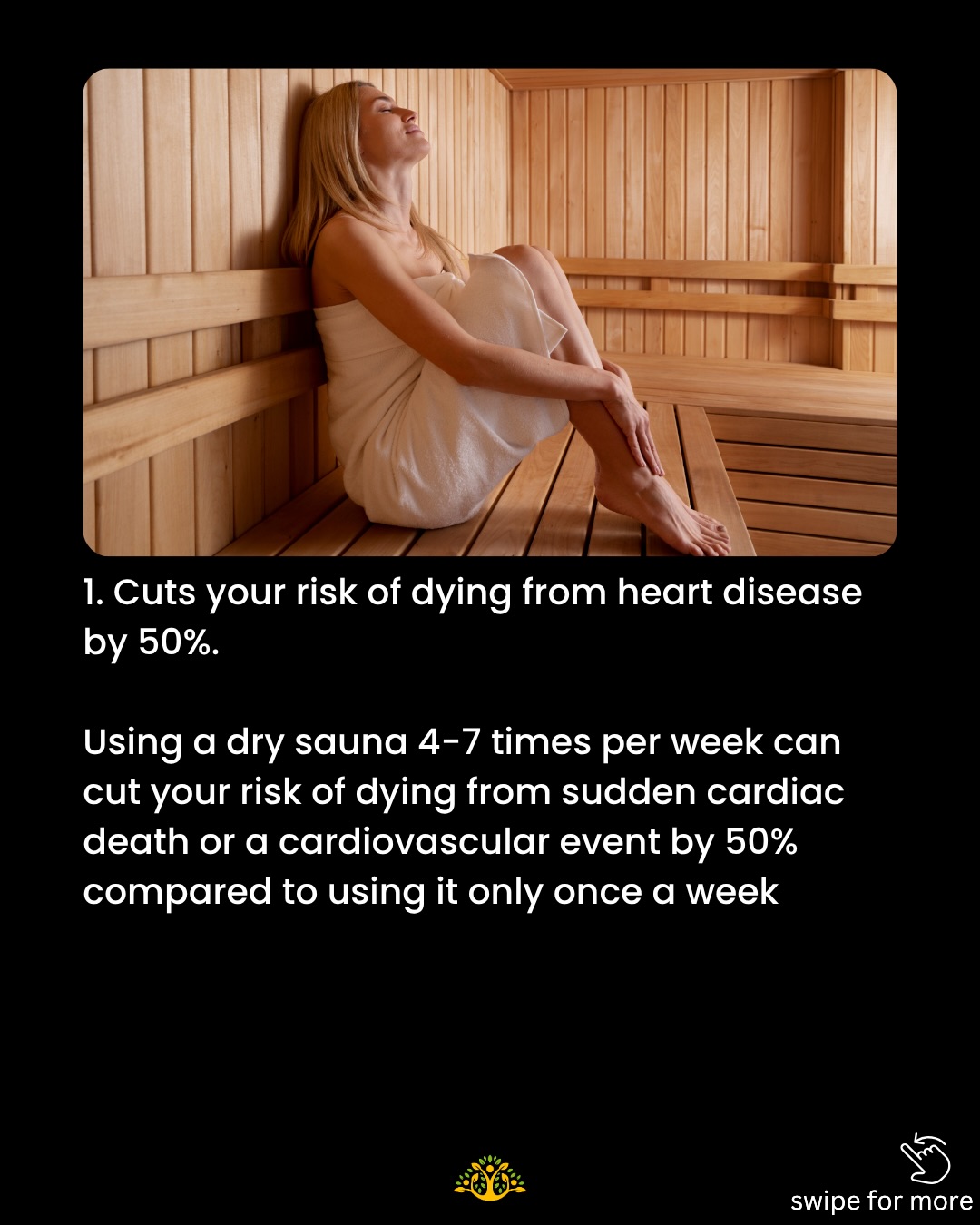
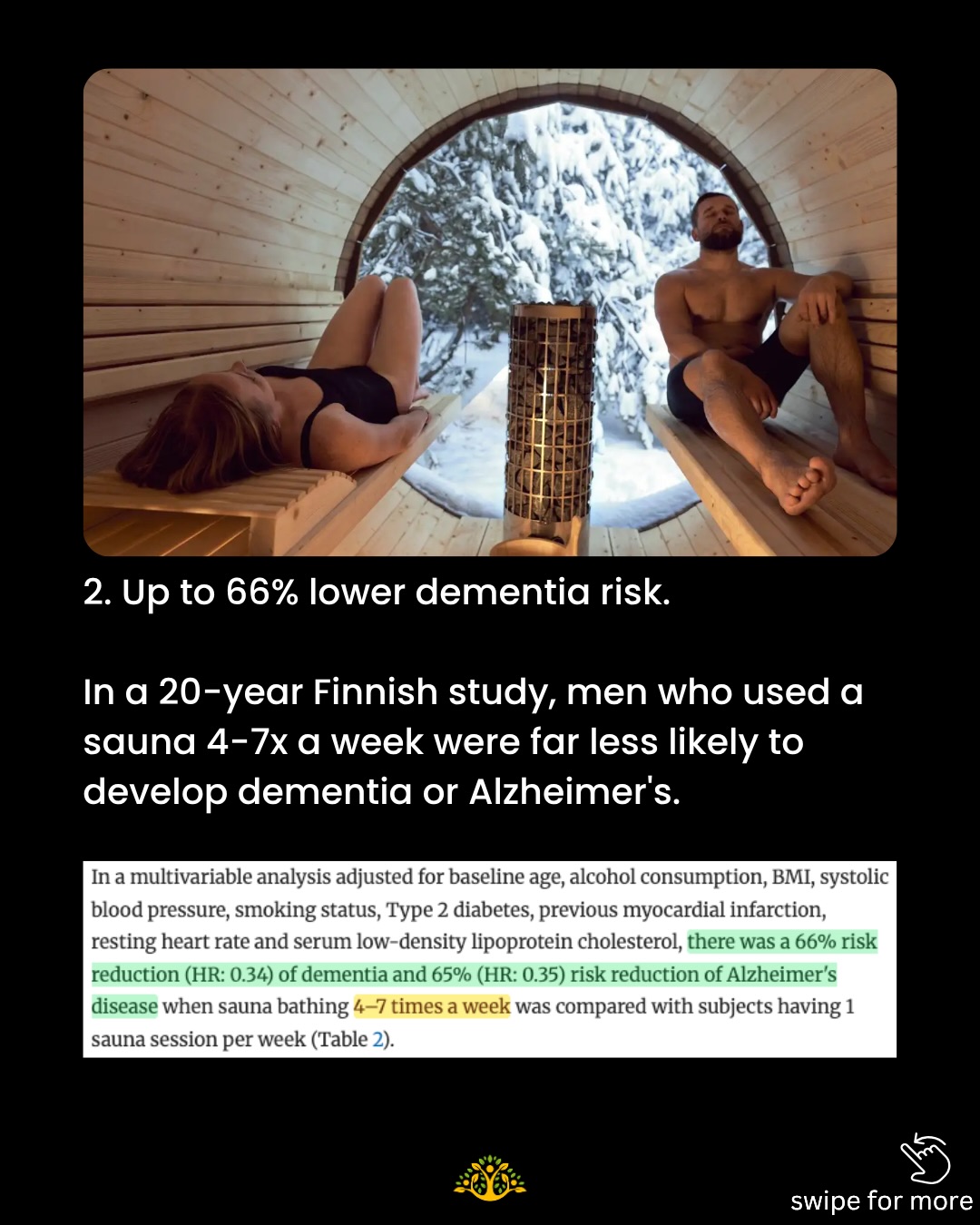
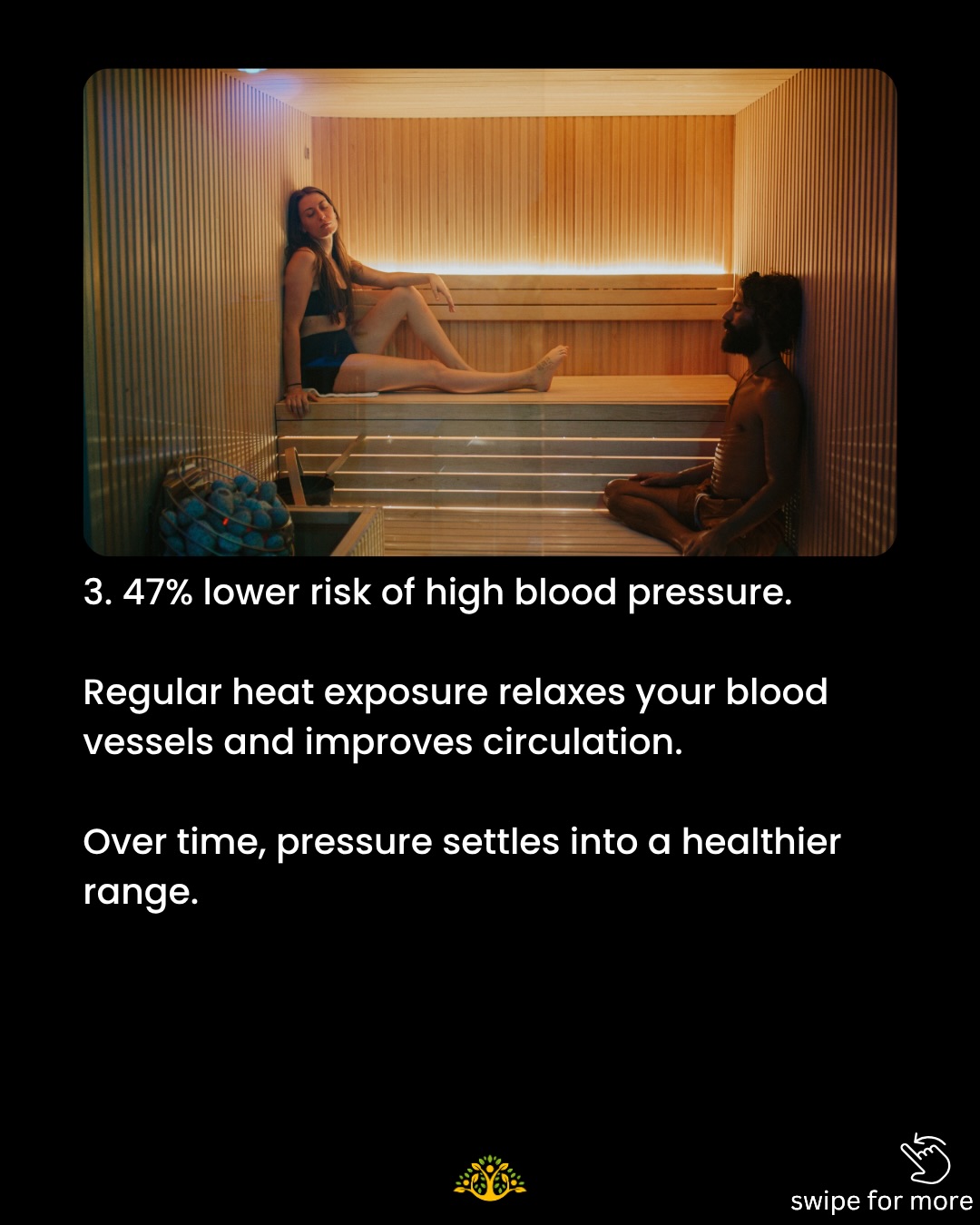
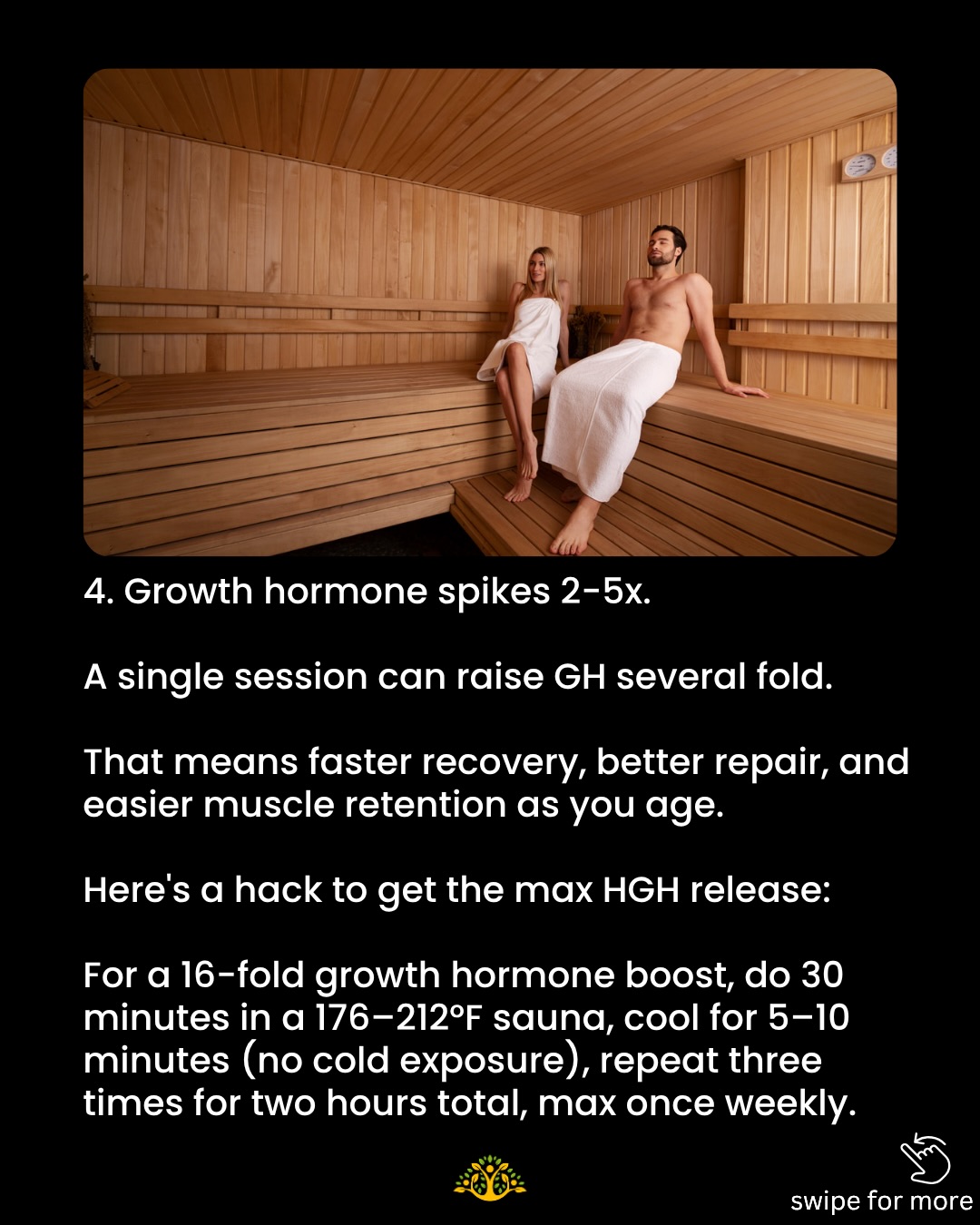
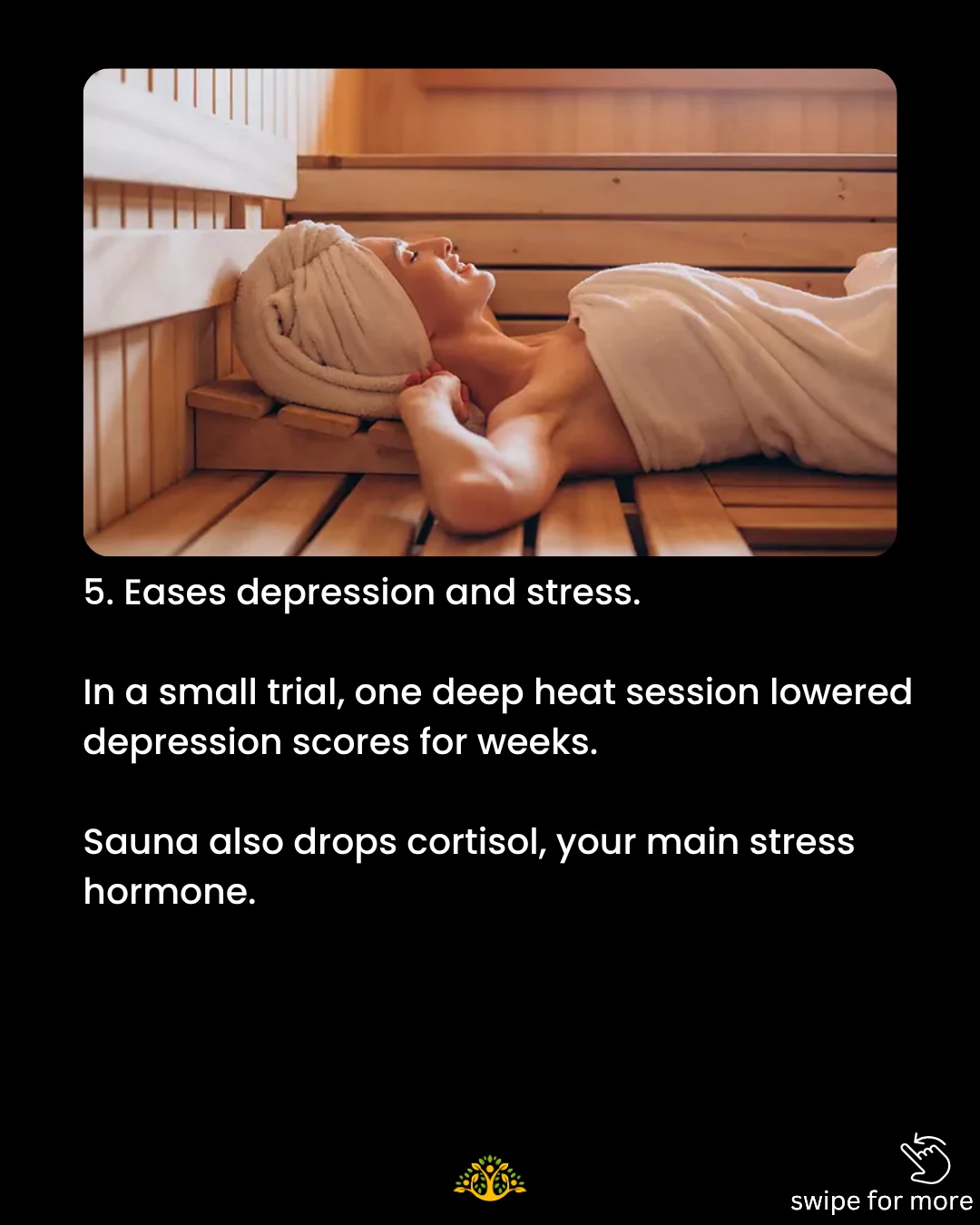
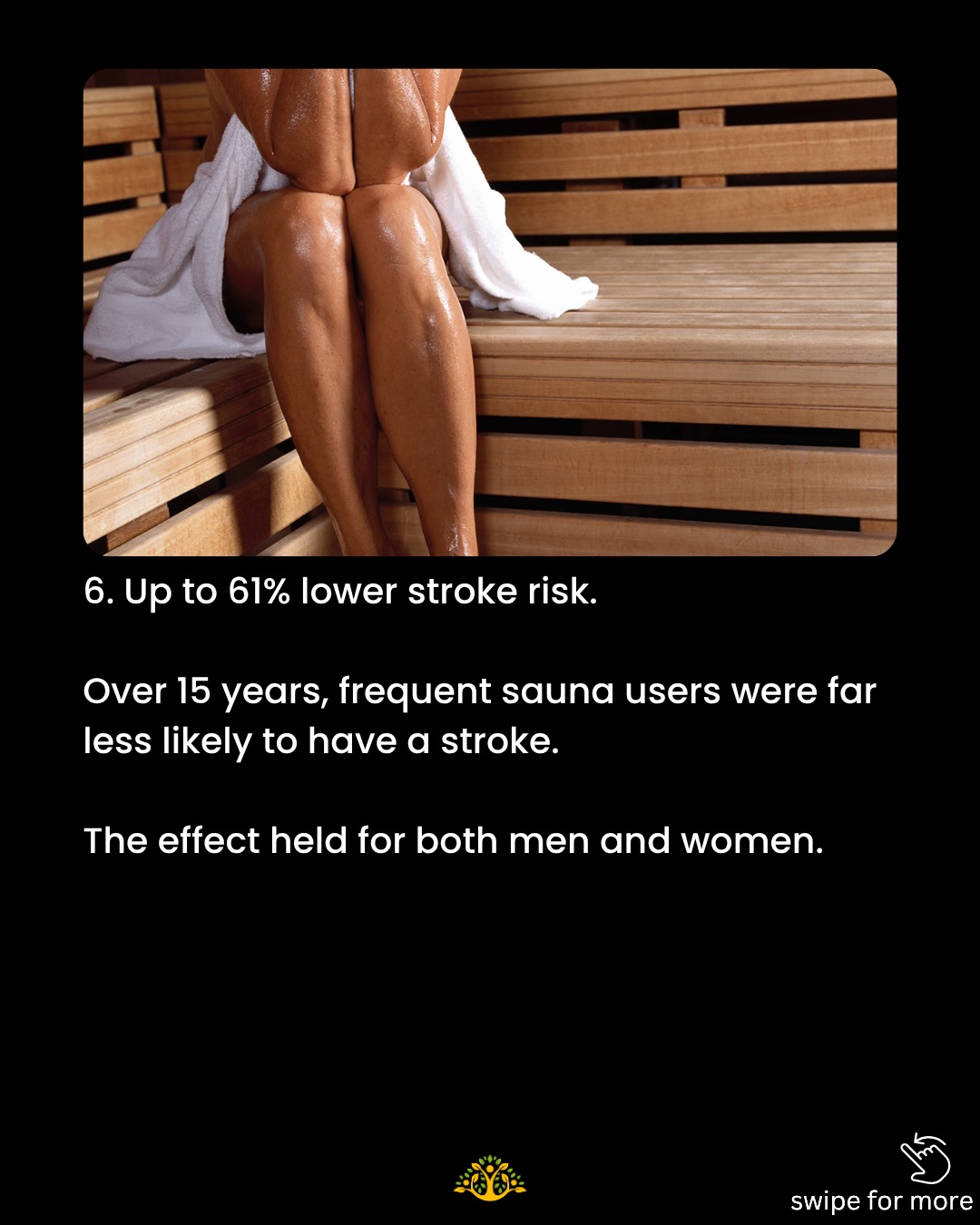
Sitting in deep heat makes our heart work the way it does during moderate exercise — our pulse climbs, blood vessels open up, and circulation improves.
Done consistently, that "passive cardio" effect is linked to lower risk of heart disease, stroke, high blood pressure, and even dementia.
Most of these findings come from large Finnish studies where regular sauna use (4–7x a week) was the sweet spot. One session won't transform our health — the magic is in …
by Kiran Sandhu
• 1 month, 1 week ago

by Kiran Sandhu
• 1 month, 1 week ago

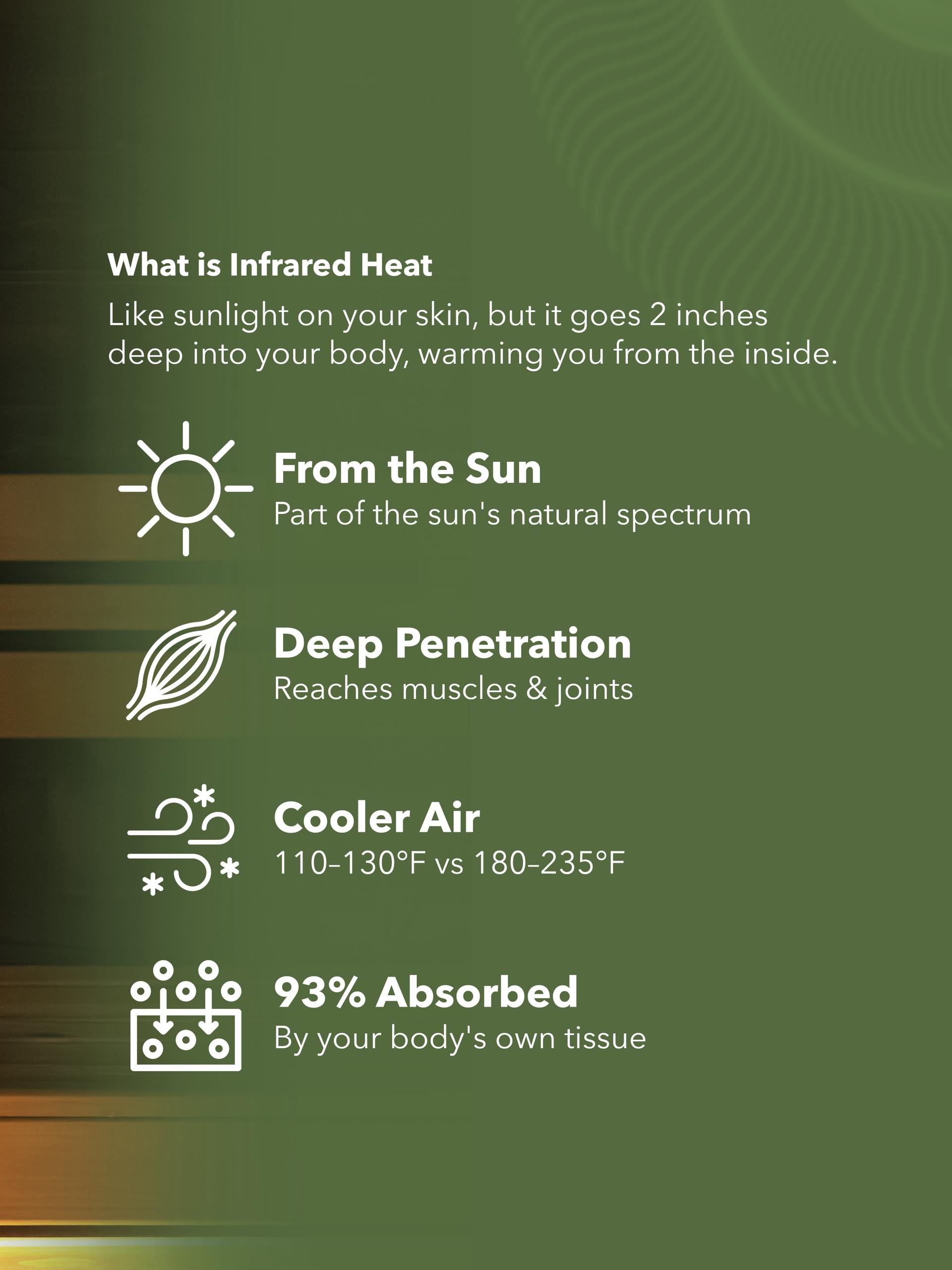
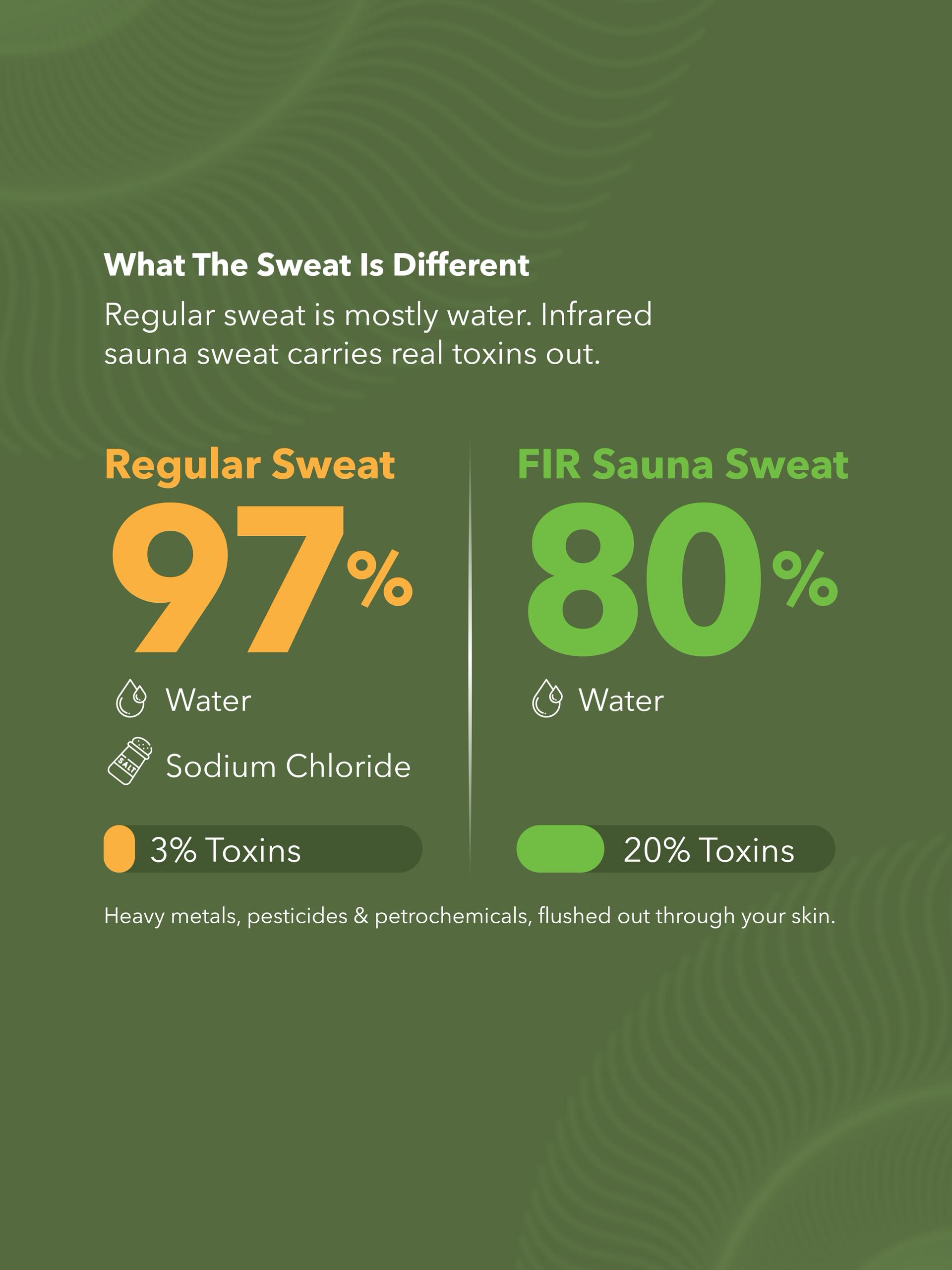
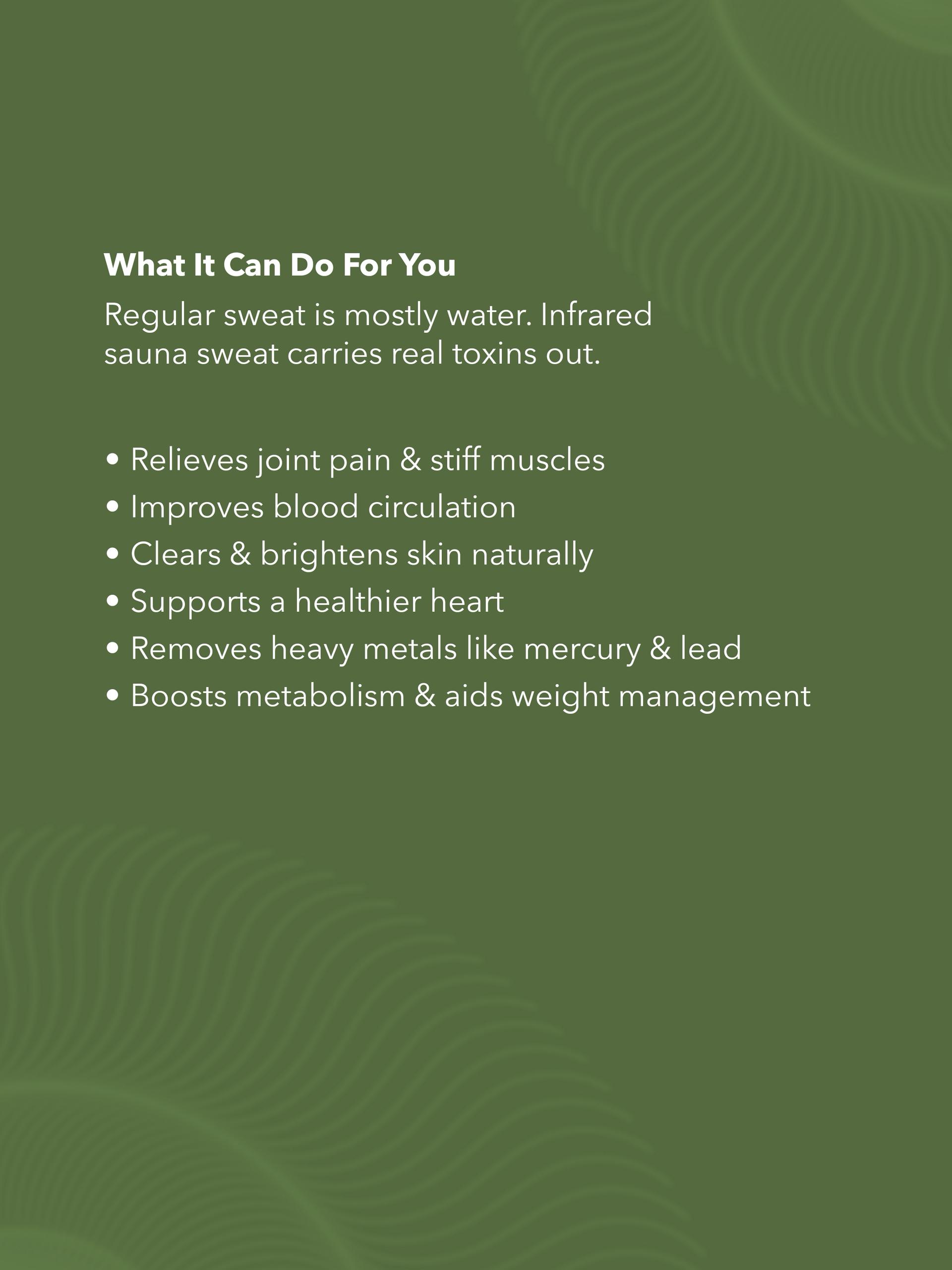
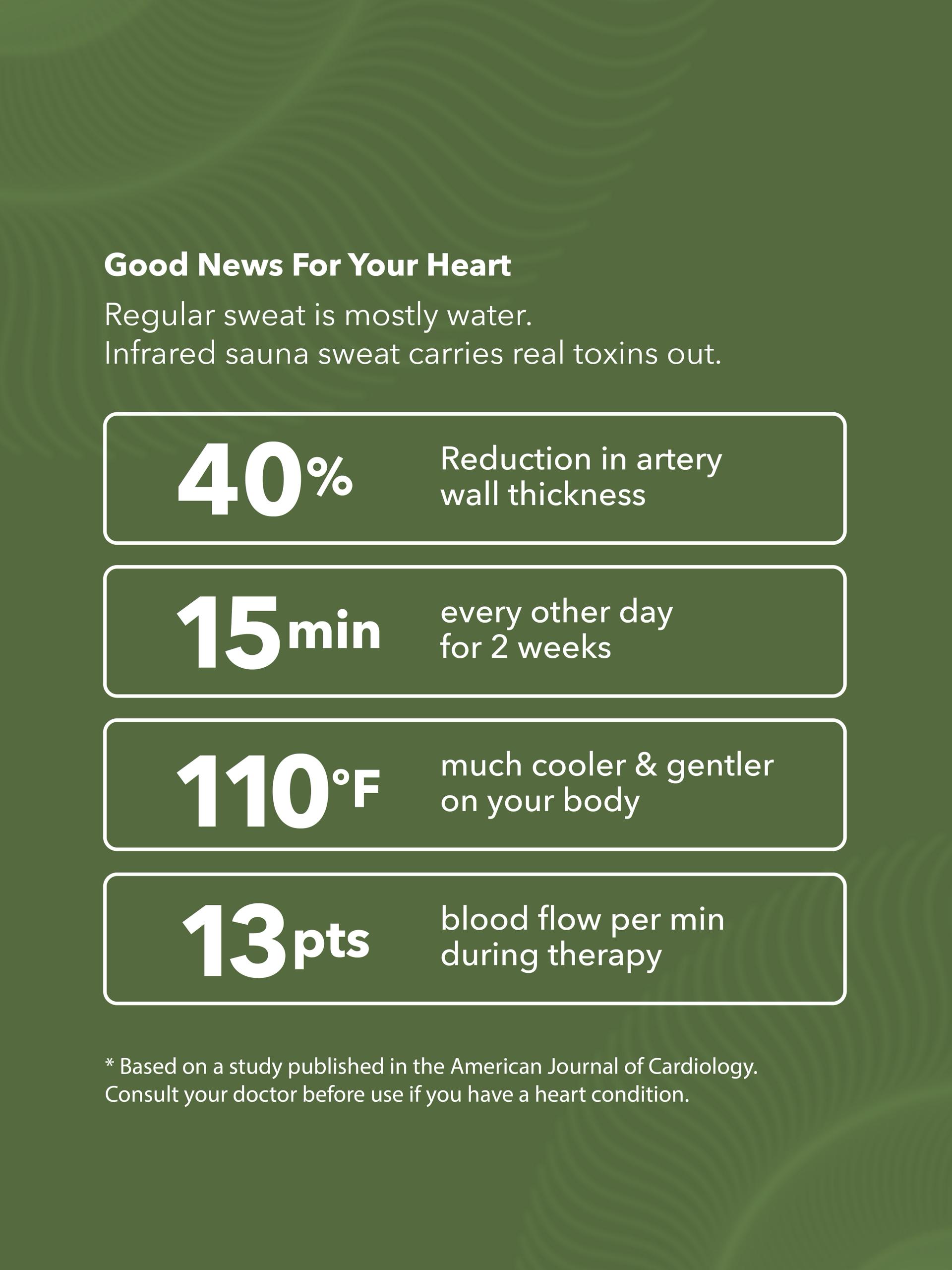
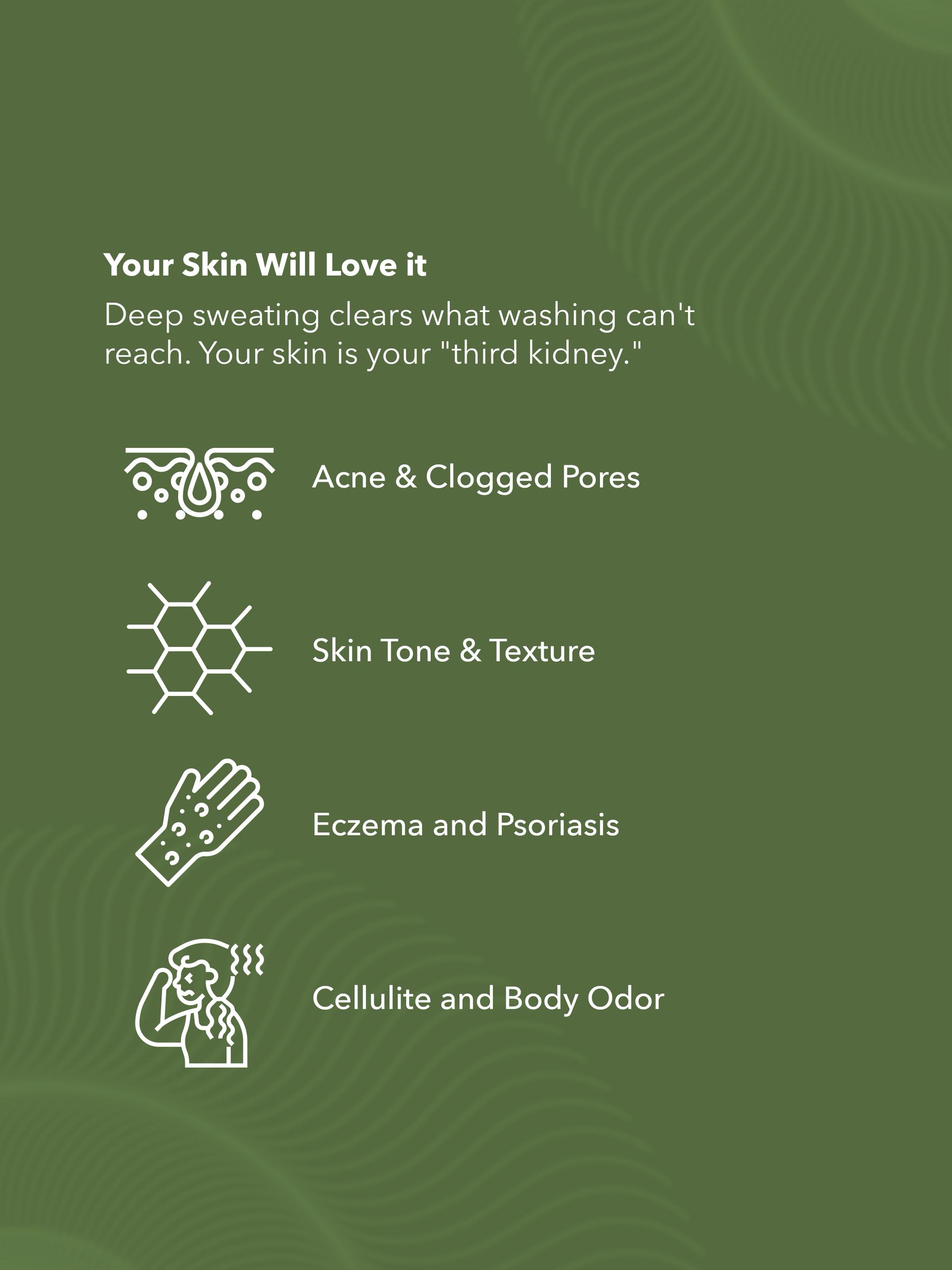
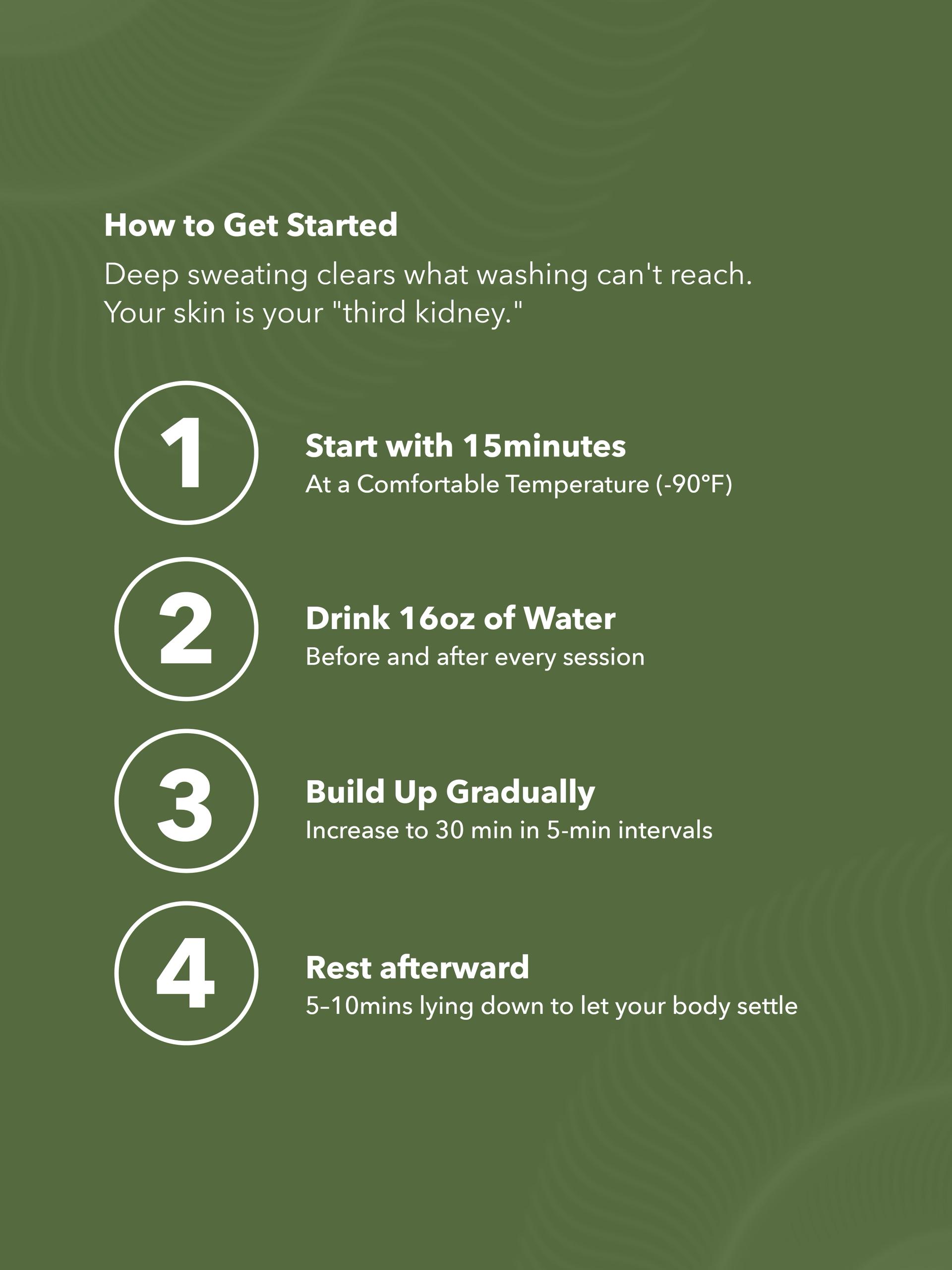
There's a reason saunas have been part of human life for thousands of years. Infrared takes that ancient ritual further — gentle, sun-like warmth that sinks deep into muscle and joint, so you can relax at a cooler, more comfortable temperature than a traditional sauna.
Swipe through to see how infrared heat actually works, what regular sessions may support from easier muscles and better circulation to calmer, clearer skin and a simple 4-step way to ease in.
by Kiran Sandhu
• 1 month, 1 week ago

by Wendy Wells
• 1 month, 2 weeks ago
It's our alertness hormone. High in the morning, low at night, that's the design.
But light, stress, and a racing mind keep it elevated past bedtime, so our brain never drops into deep sleep. We sleep all night and still wake up tired. The fix isn't more hours in bed. It's lowering cortisol before you sleep.
3 evening habits that do it:
🌙 Cut evening light, it keeps cortisol up & melatonin down
🧩 Empty our head space, unfinished thoughts keep the brain switched on
🫁 Slow our breathing, …
by Kiran Sandhu
• 1 month, 2 weeks ago
by Kiran Sandhu
• 1 month, 2 weeks ago
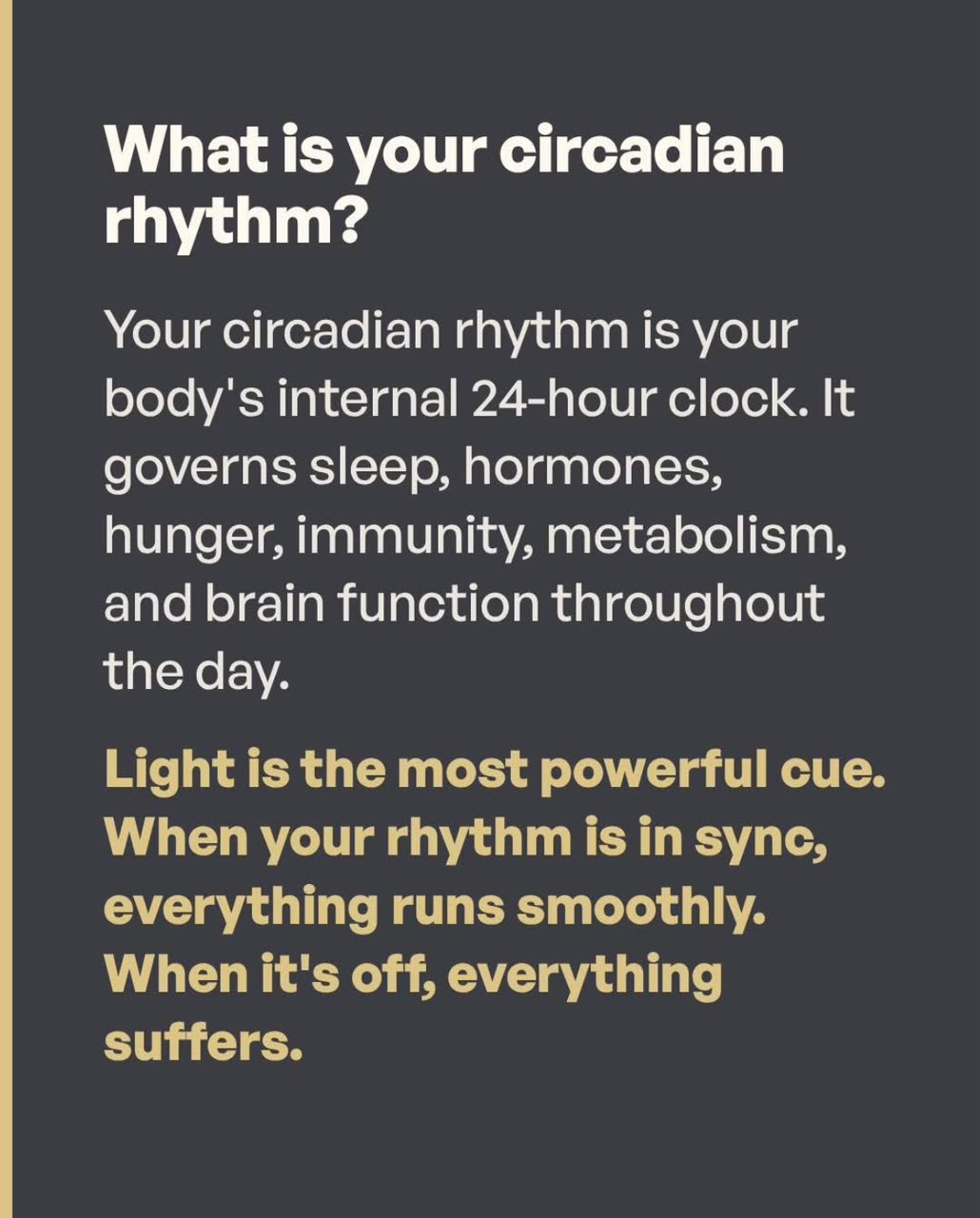
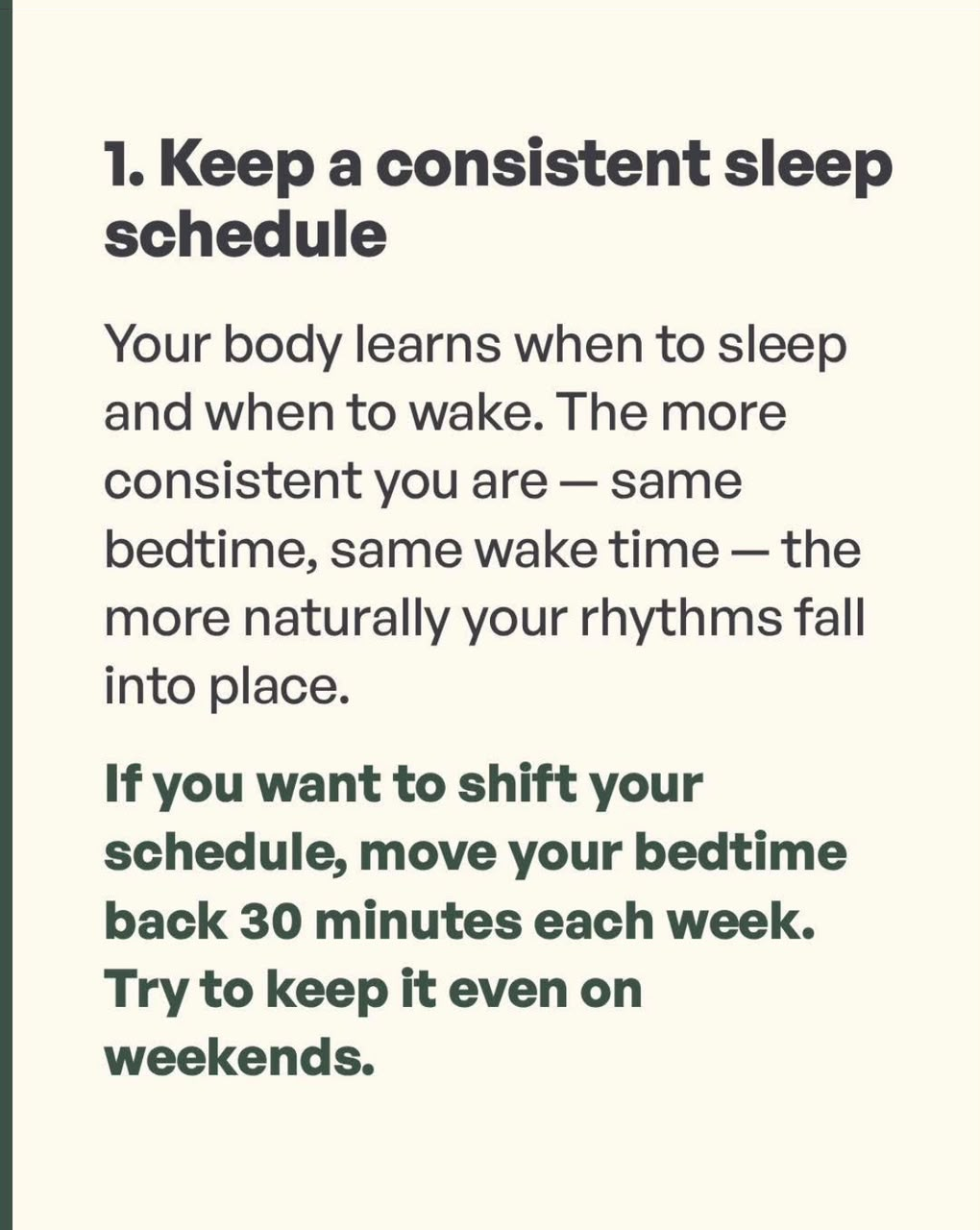
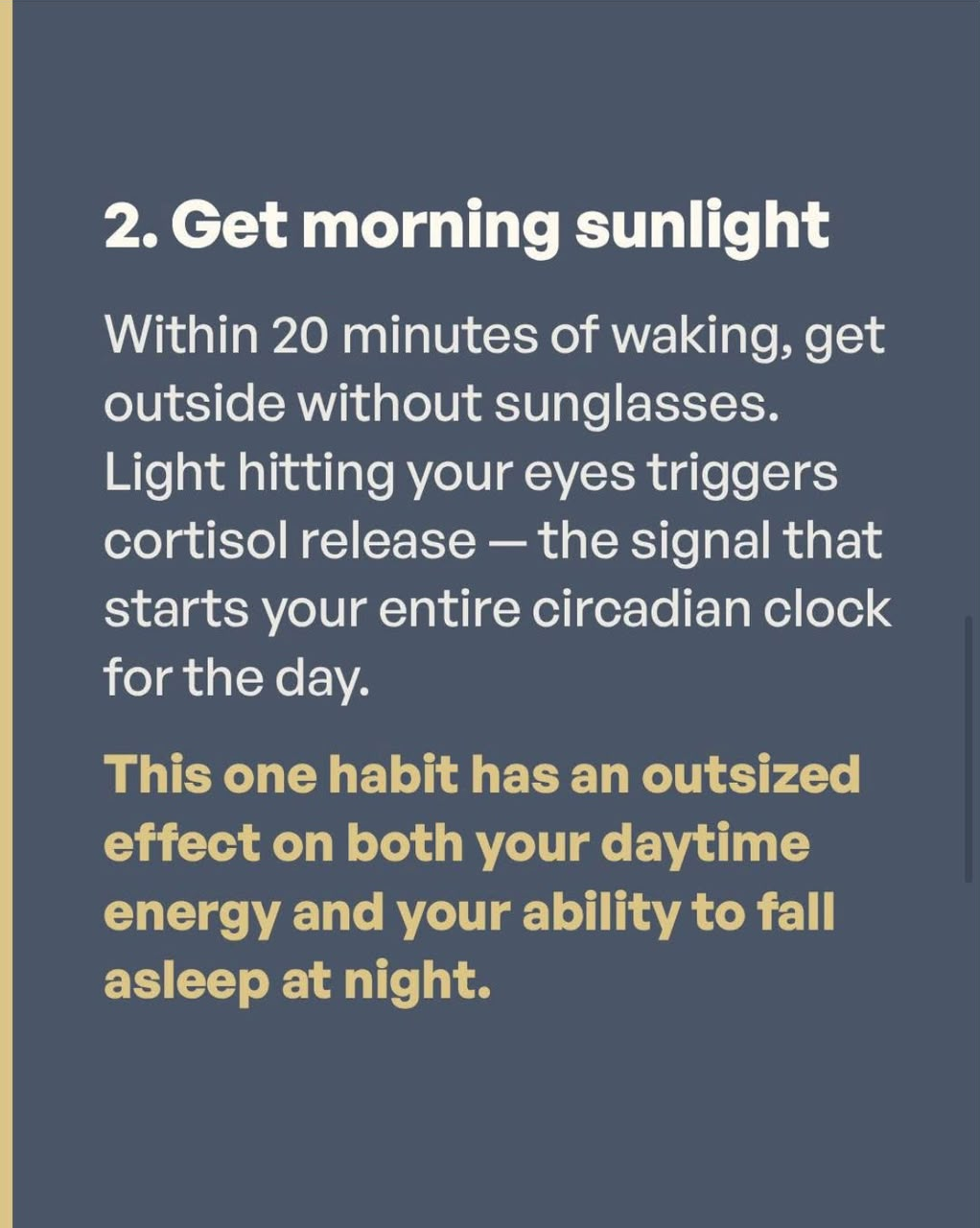
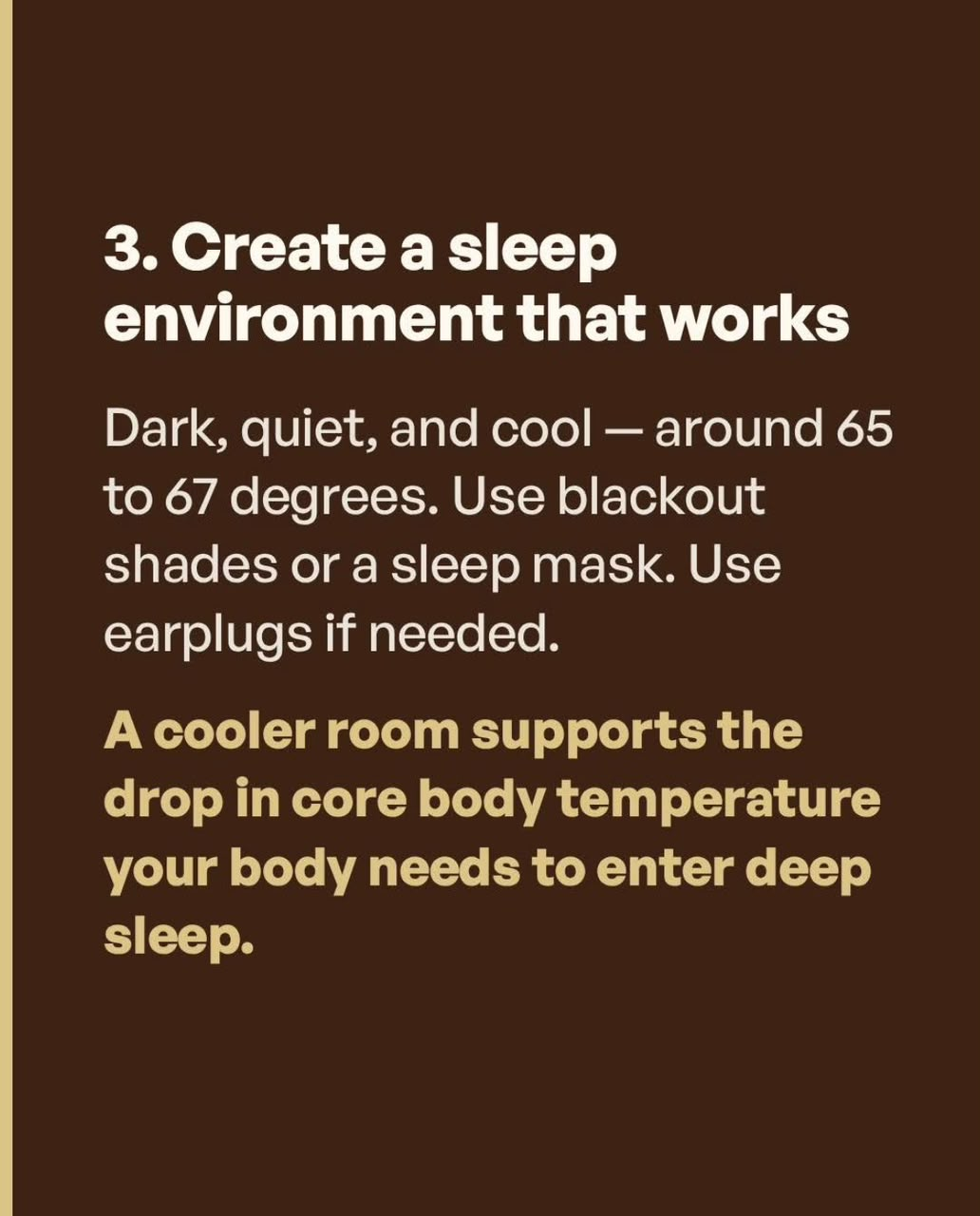
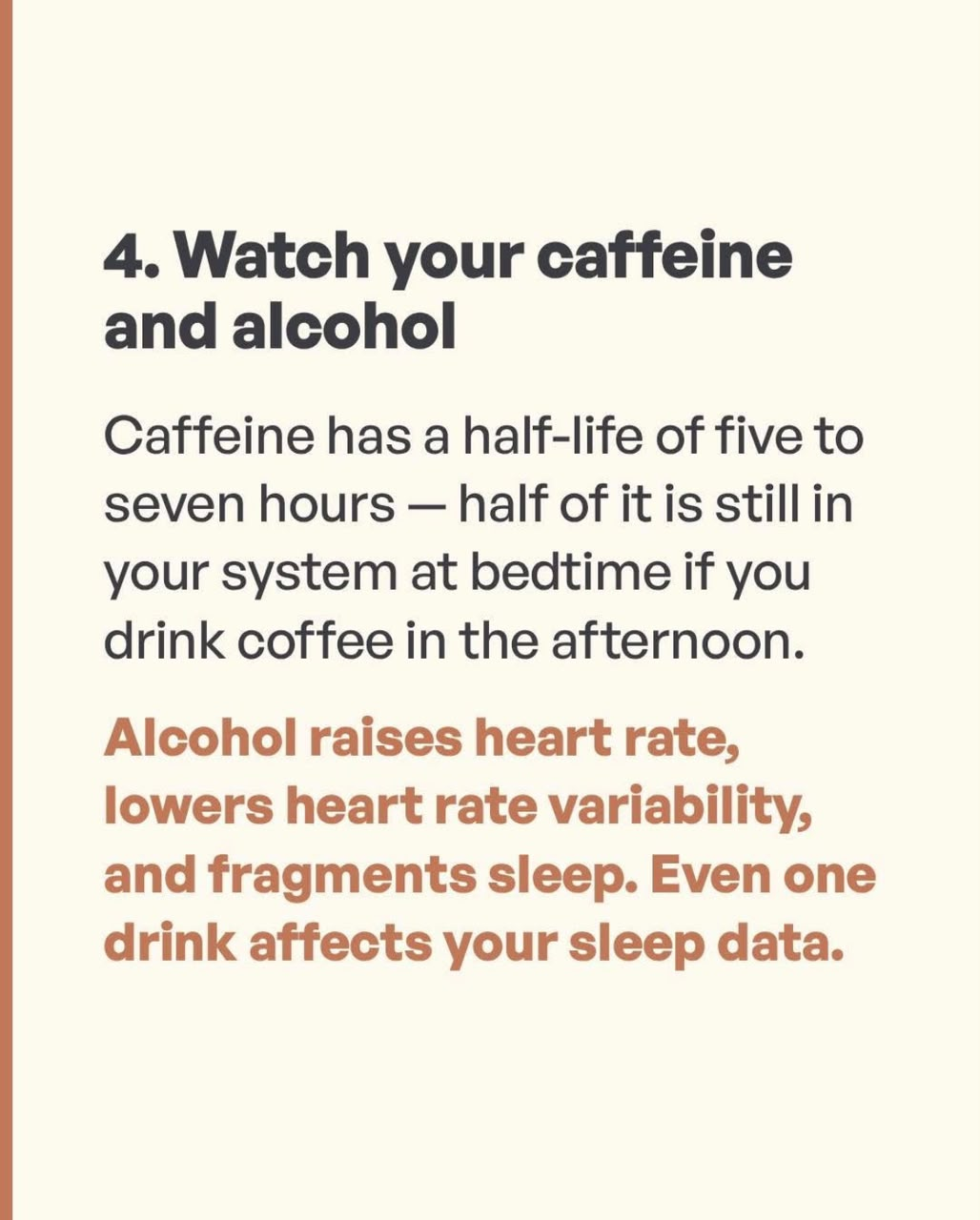
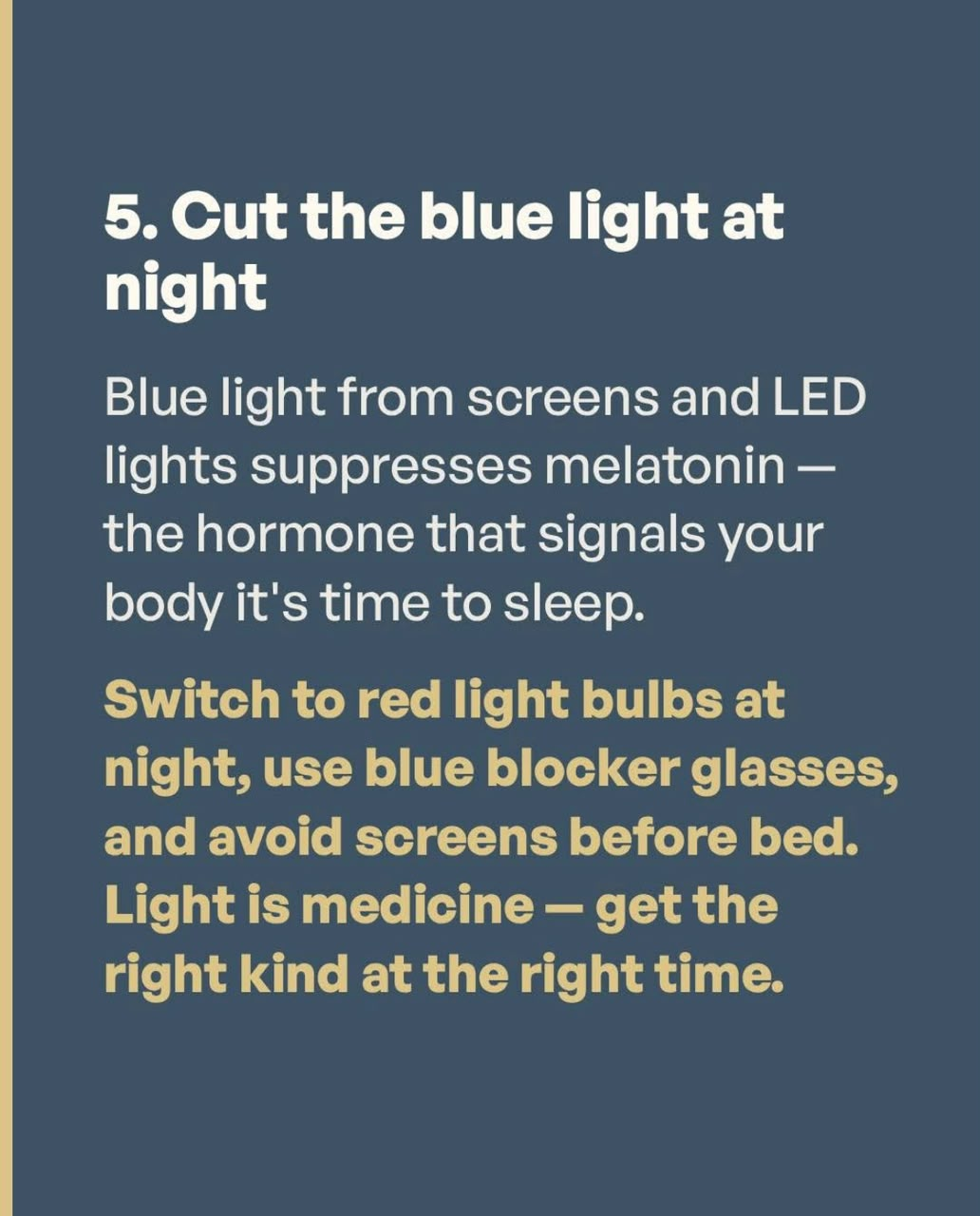
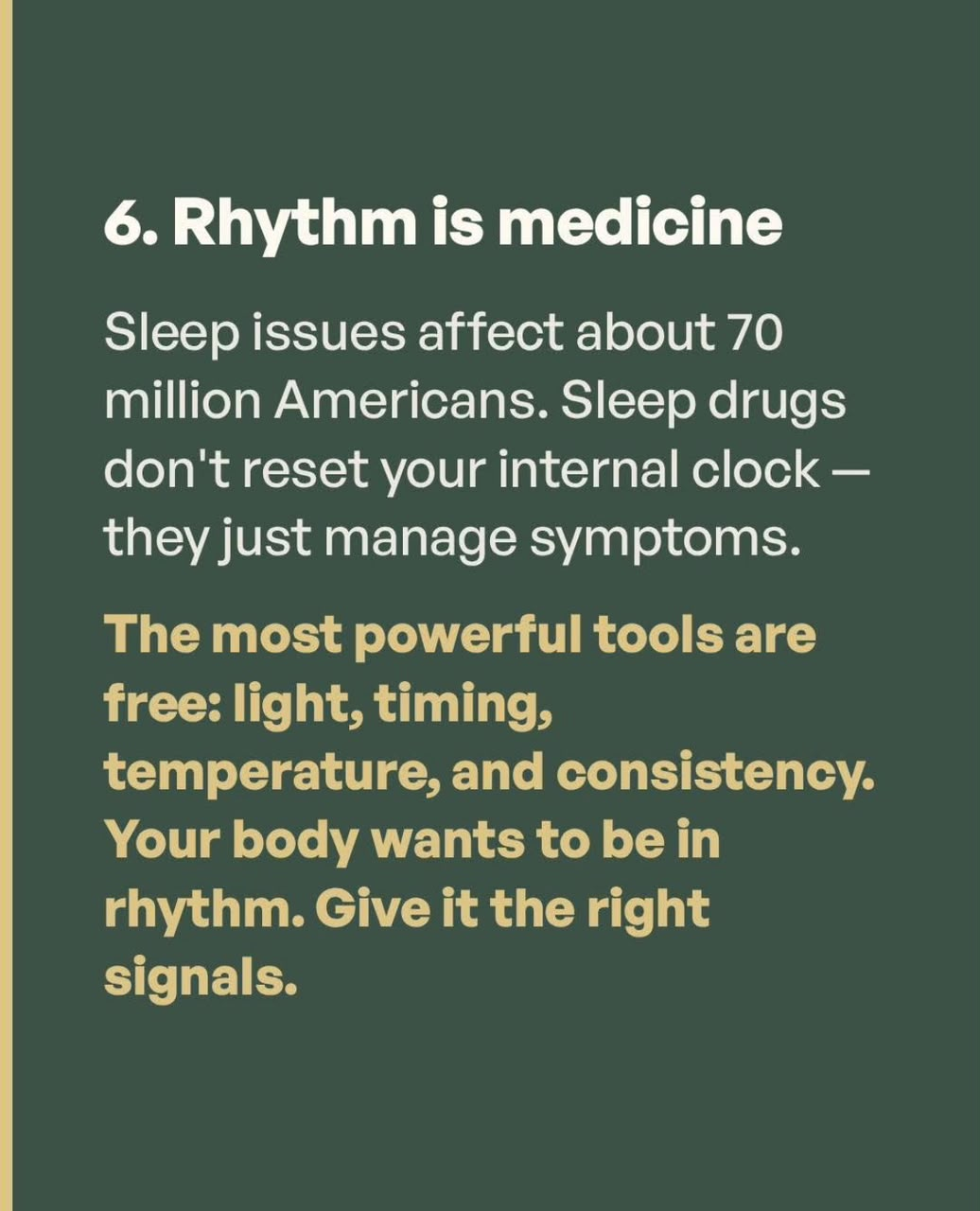
Source: Dr. Mark Hyman (Facebook)
by Kiran Sandhu
• 1 month, 2 weeks ago


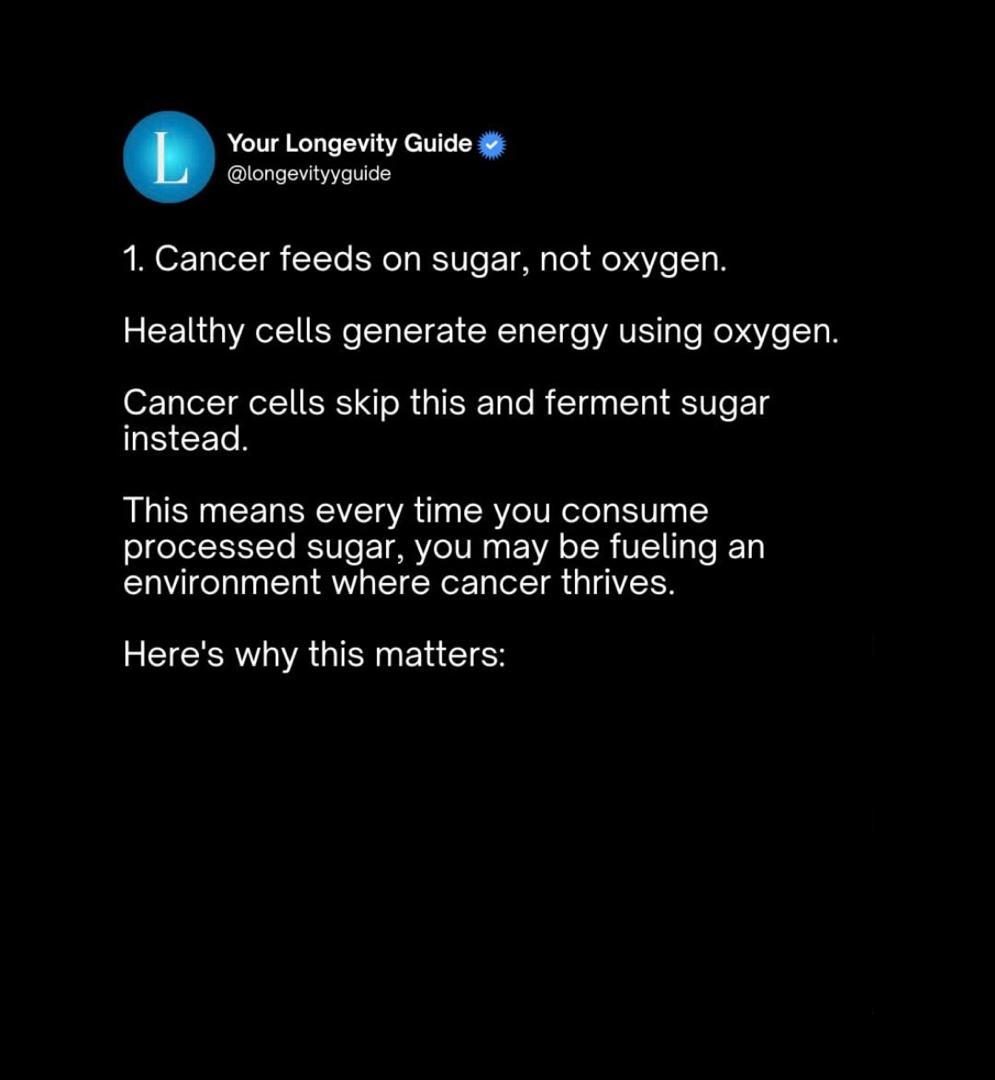
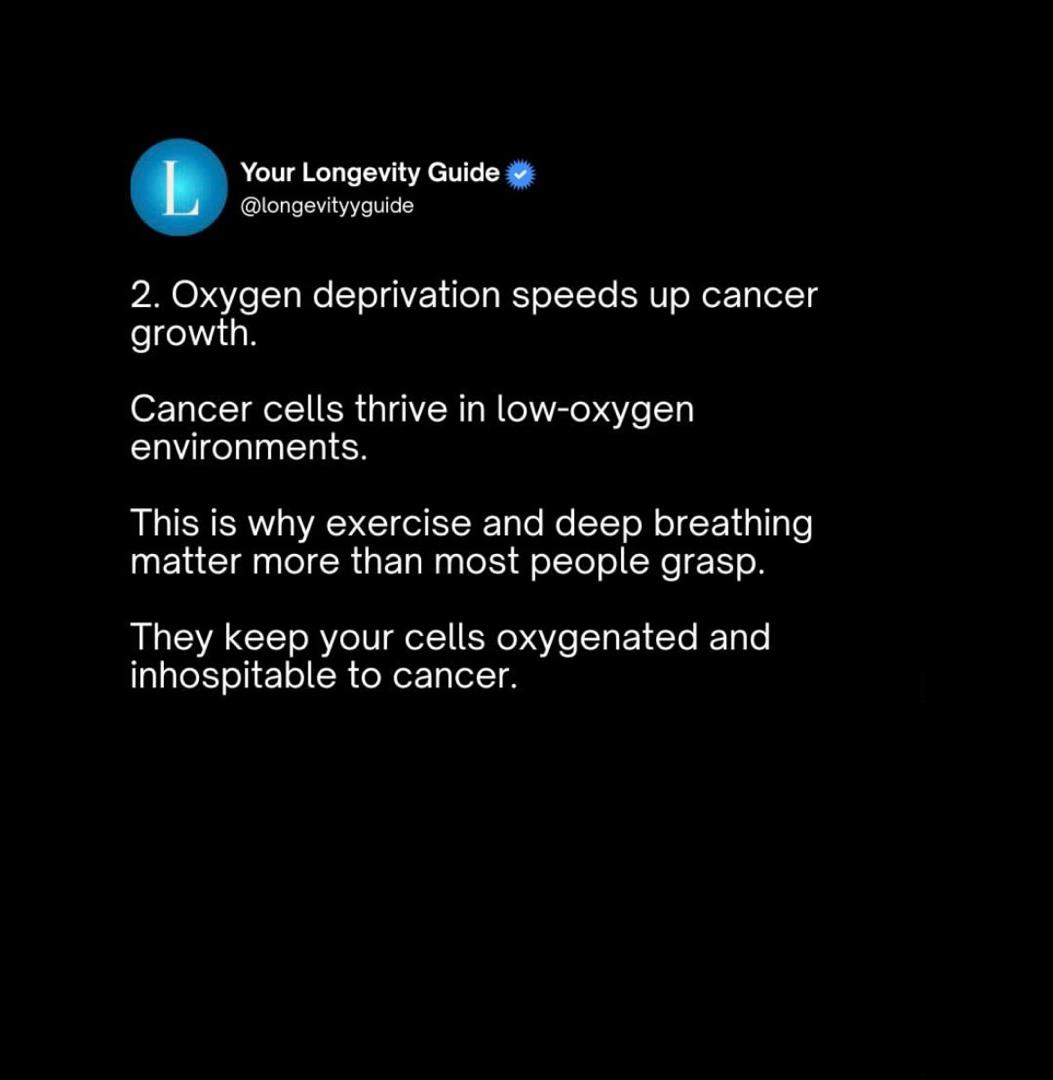
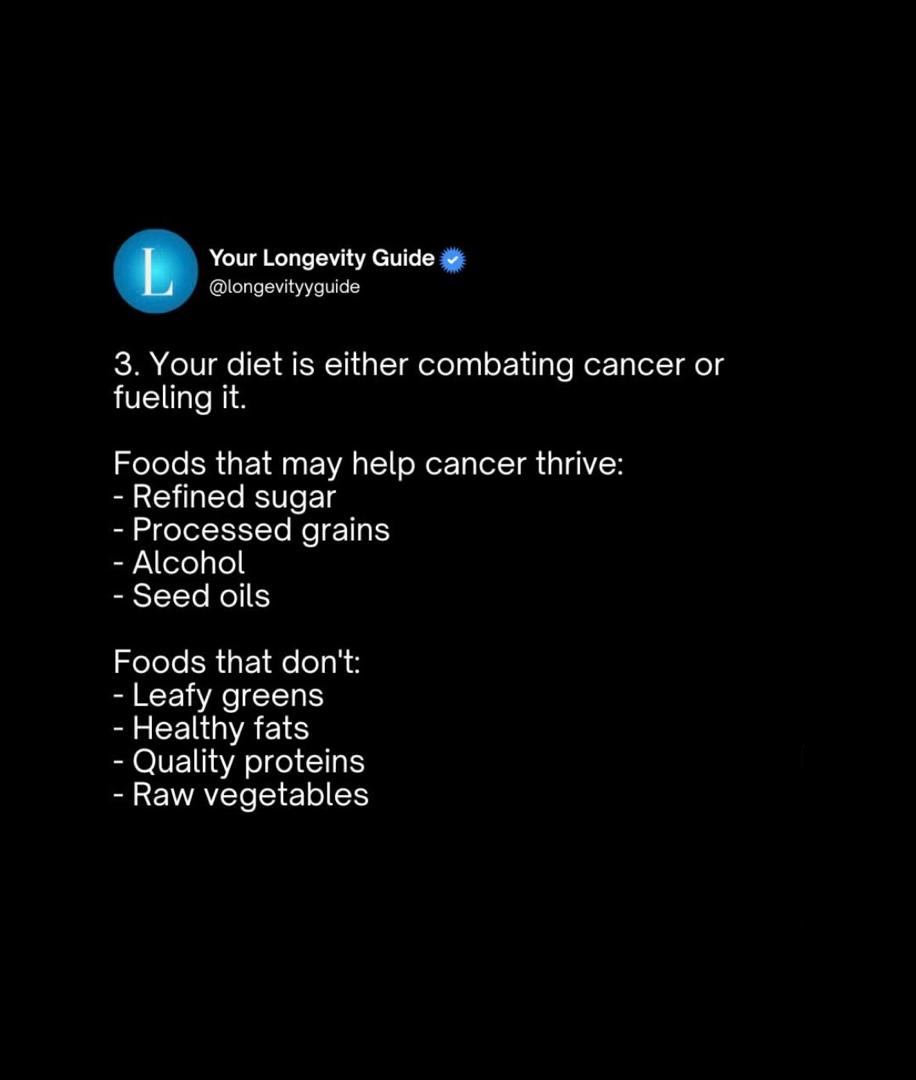

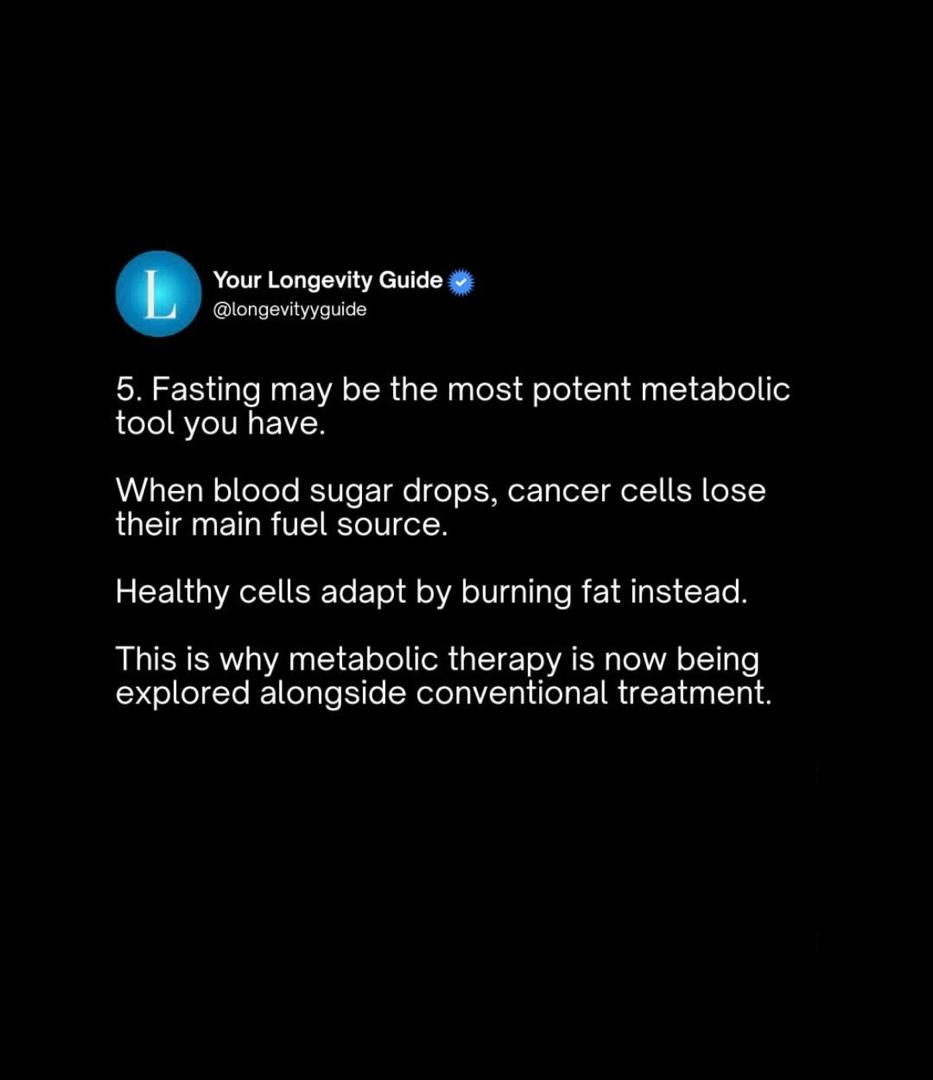


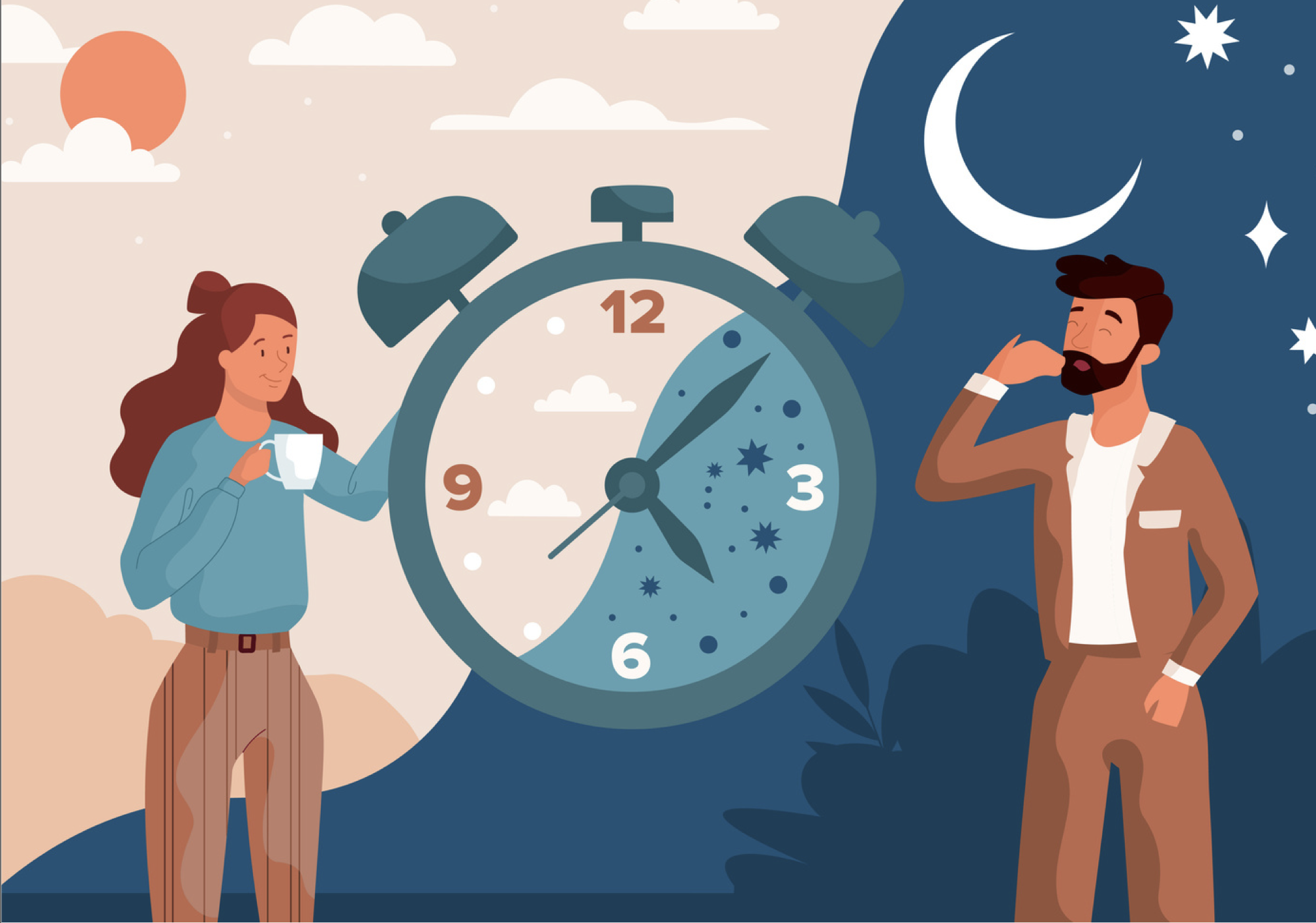
Fasting is a common practice, whether for religious reasons or with the goal of losing weight, preventing chronic disease, or even slowing aging. Those who fast for health reasons typically practice intermittent fasting—consuming calories only during a specific window of the day.
Some scientists say the growing popularity of fasting is being fueled by research suggesting that, when practiced appropriately, certain forms can benefit overall health. “Intermittent fasting can reduce high blood pressure, improve cognition, …
by Kiran Sandhu
• 1 month, 2 weeks ago
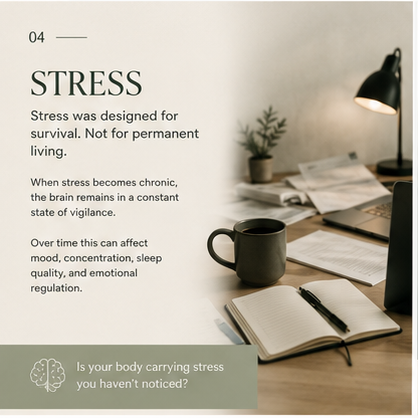
But when it never switches off, it stops being helpful. Chronic stress can actually change our brain: shrinking areas tied to memory and decision-making, and strengthening the ones that keep us on high alert.
The good news? The brain is adaptable. The same plasticity that lets stress re-shape it also lets us reshape it back.
🧘 Move your body daily
😮💨 Breathe - slow exhales calm the system
😴 Protect our sleep
🤝 Stay connected to people
We can't avoid stress. But we can train how our …
by Kiran Sandhu
• 1 month, 3 weeks ago
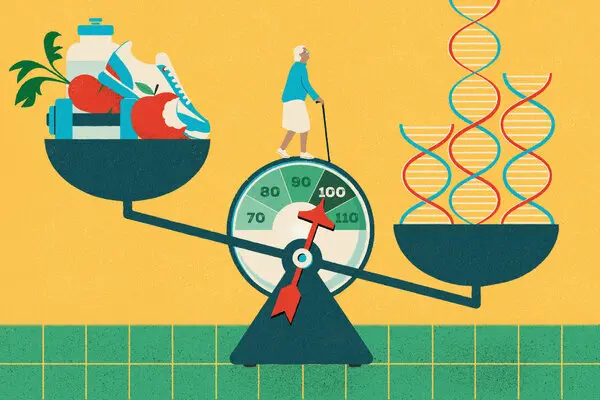
For the rare individuals who live to be 100 or older (centenarians), genes appear to be the dominant force in determining longevity. For example, some centenarians are smokers, but they have genes that allow them to overcome smoking's adverse effects. As you might expect, scientists are trying to identify the protective genes that centenarians have.
We know a lot about …
by Kiran Sandhu
• 1 month, 3 weeks ago
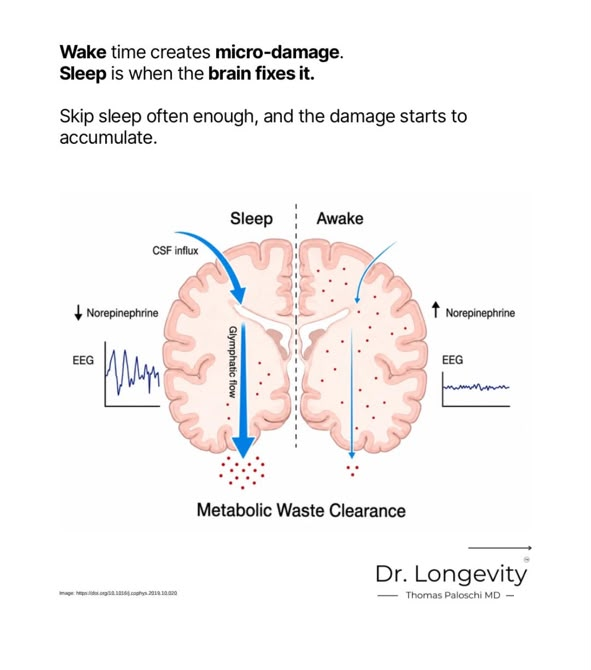
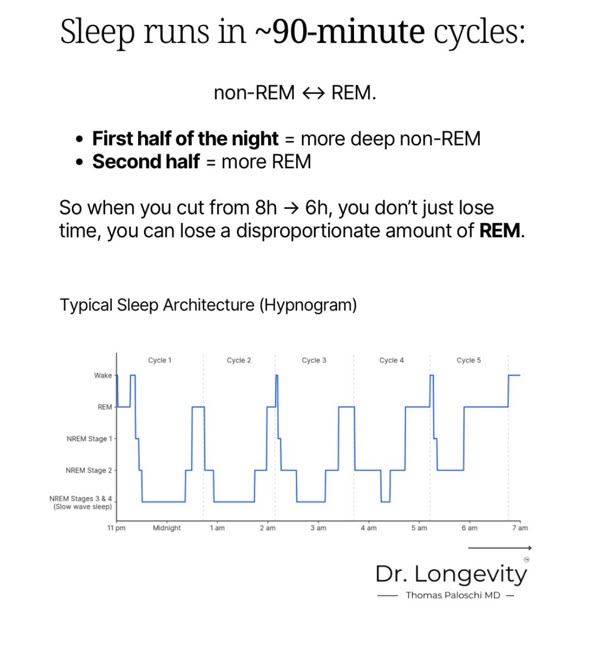
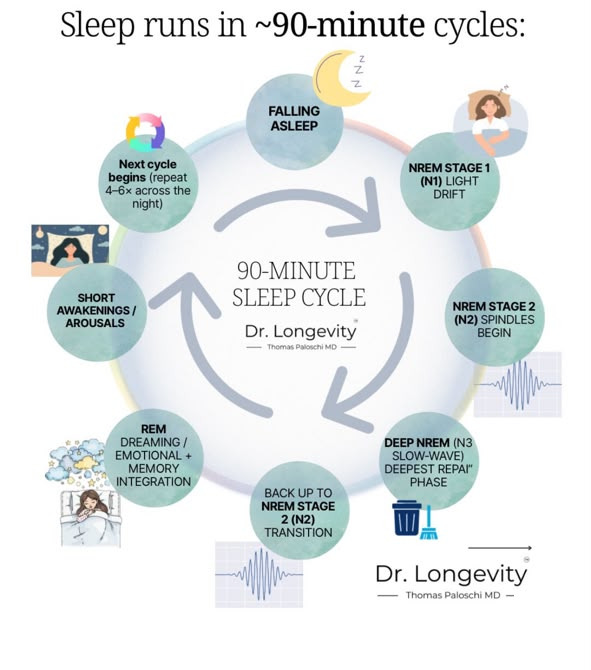
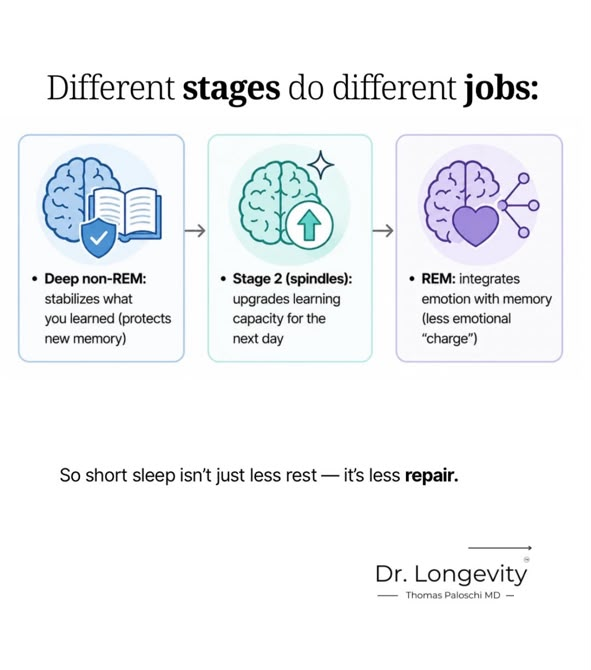
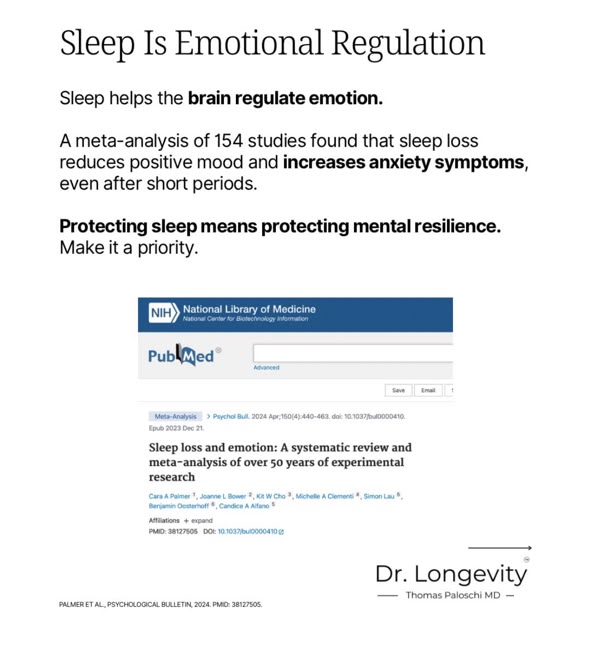
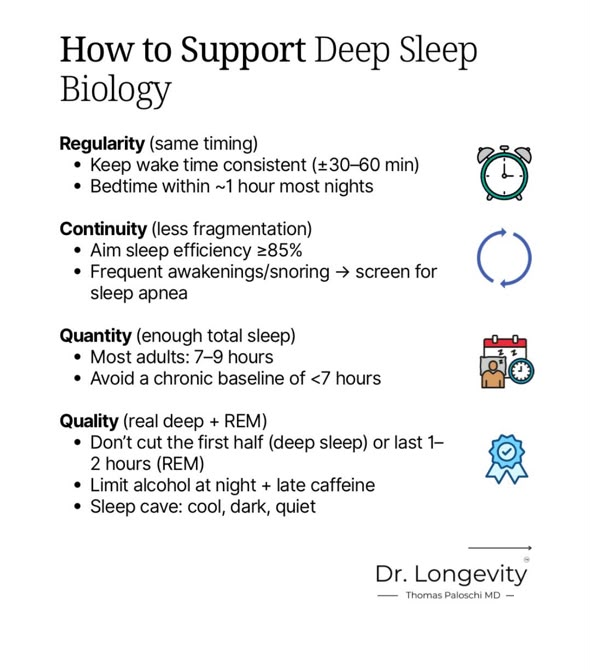
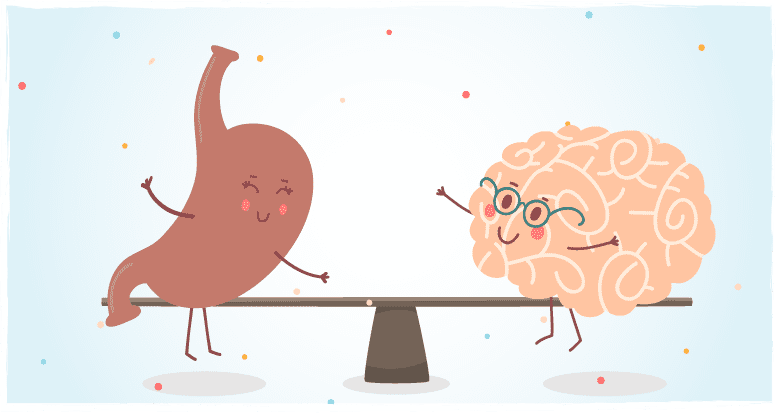
Indeed, science supports the notion that the gut and brain are intricately connected and that problems in the digestive tract such as gut inflammation can influence your mood in meaningful ways, says Jun Huh, an associate professor of immunology at Harvard Medical School whose research explores how the gut, immune system, and brain are connected.
The brain communicates with the gastrointestinal tract through …
by Kiran Sandhu
• 1 month, 3 weeks ago
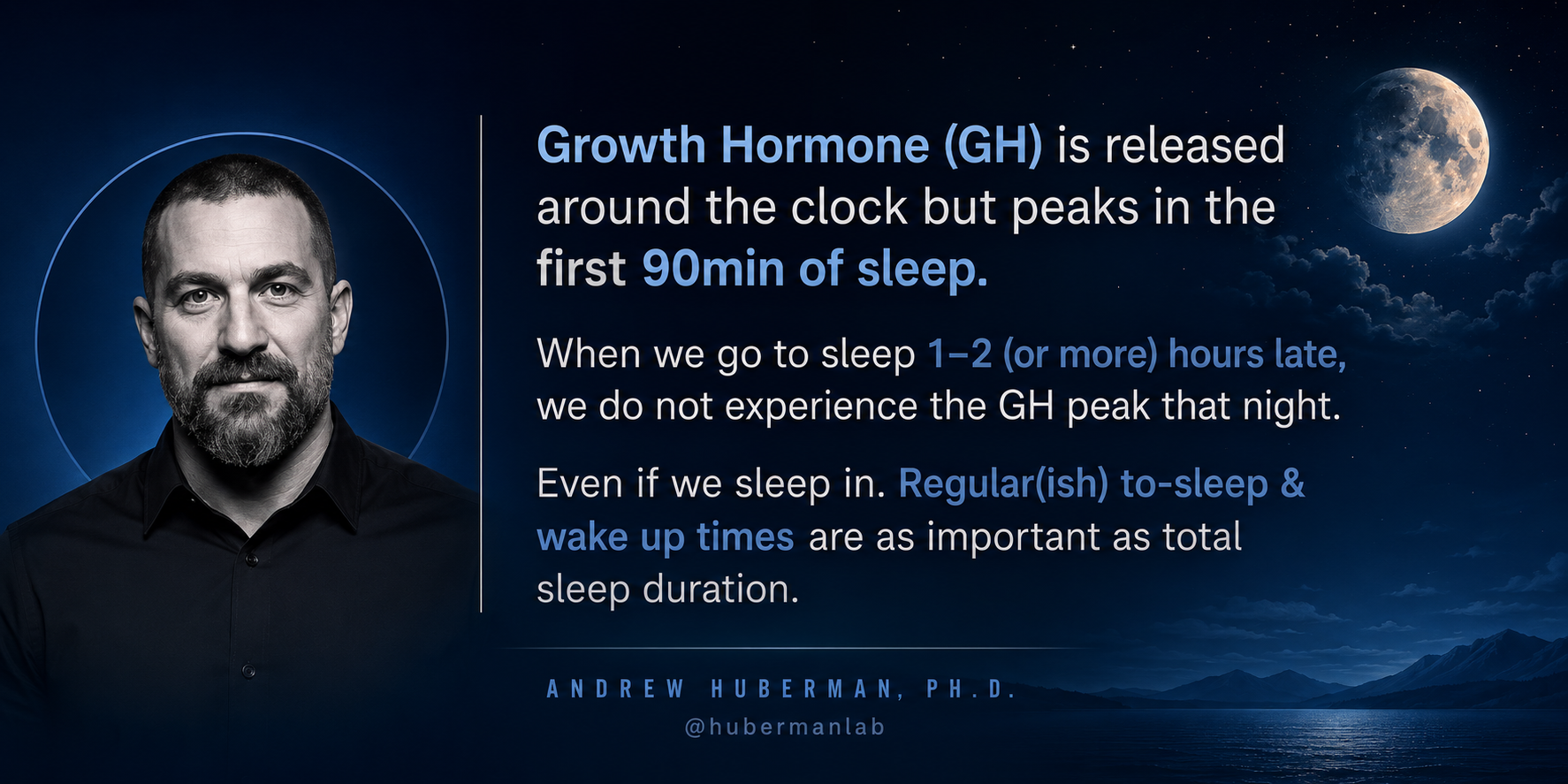
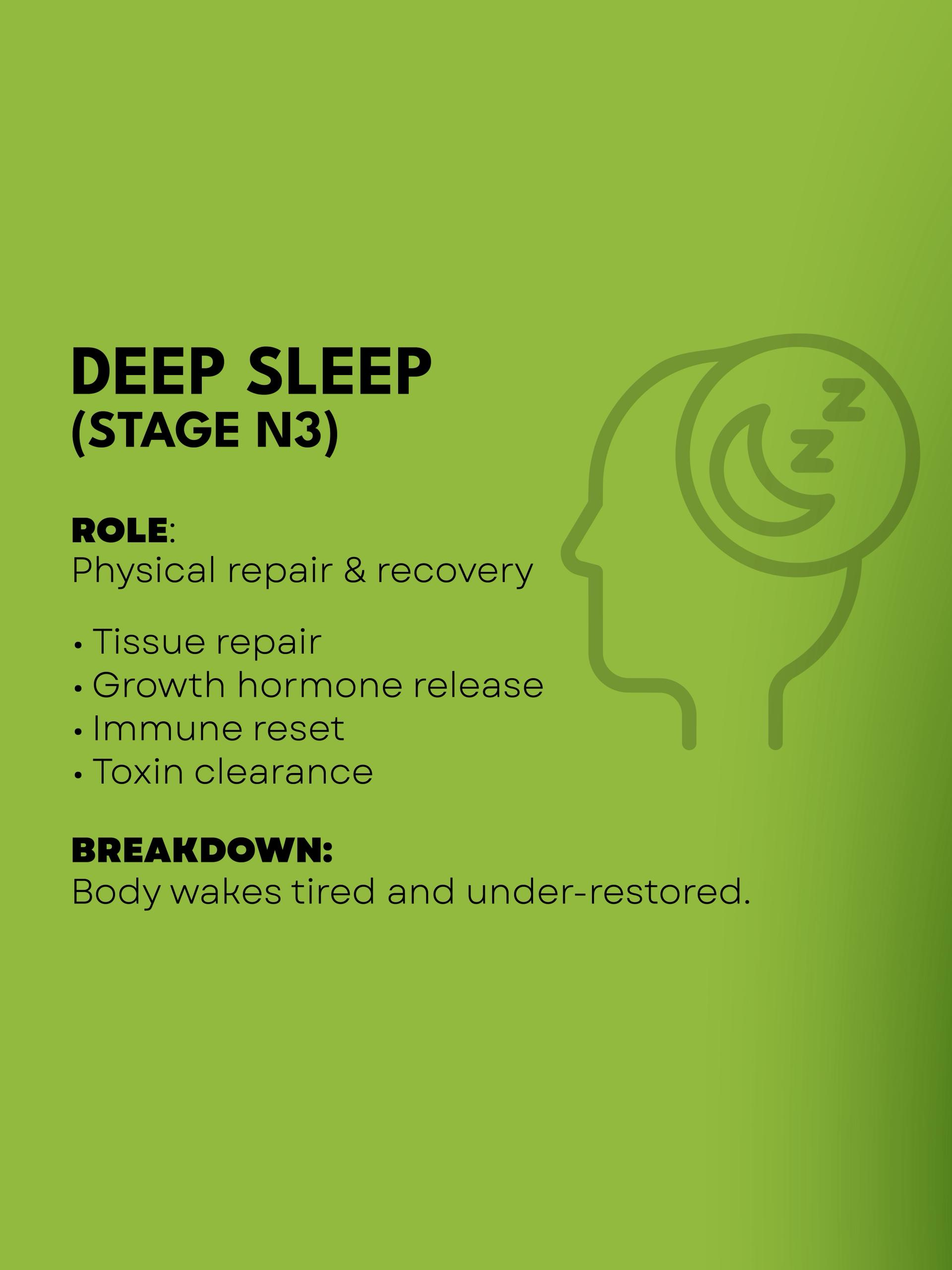
Growth hormone (GH) is released throughout the day, but the biggest surge happens in the first 90 minutes of sleep - during our deepest sleep phase. This is when our body does its heavy lifting: muscle repair, cell regeneration, bone strength and metabolism.
But when we go to sleep 1–2 hours later than usual, we don't get that full GH peak that night. Even if we sleep in the next morning to make up the hours - it doesn't recover it. Those extra morning hours are lighter sleep, not the …
by Kiran Sandhu
• 1 month, 3 weeks ago
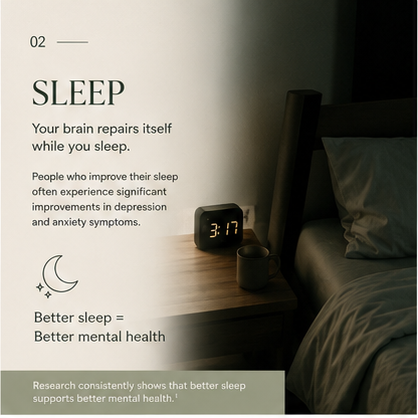
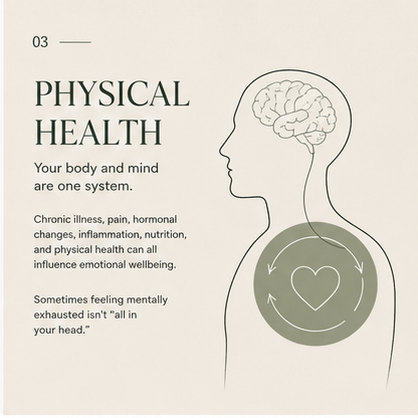
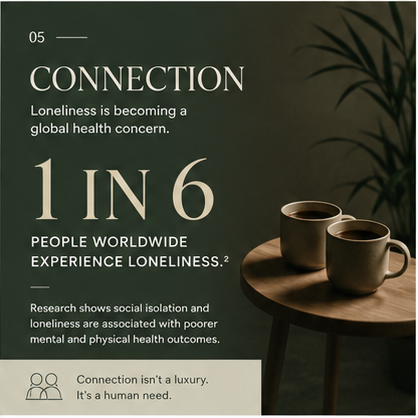
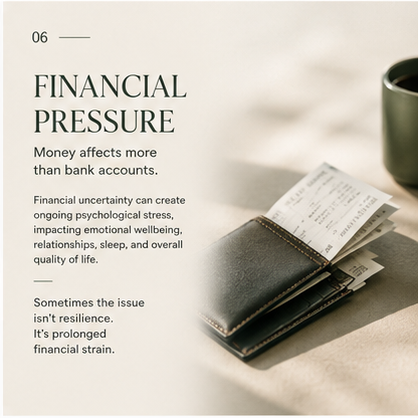
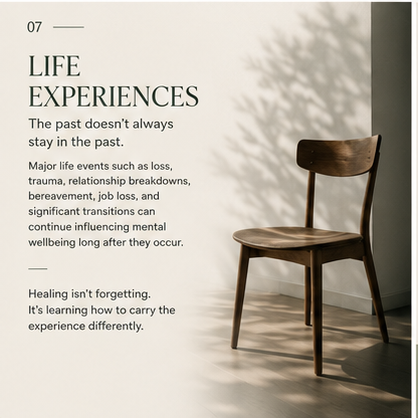
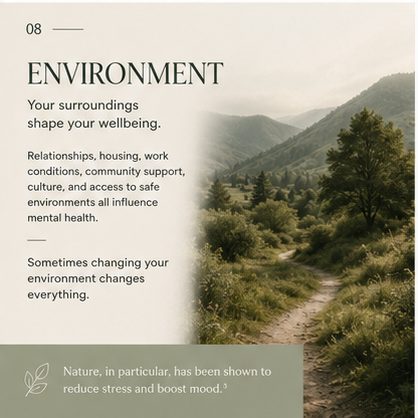
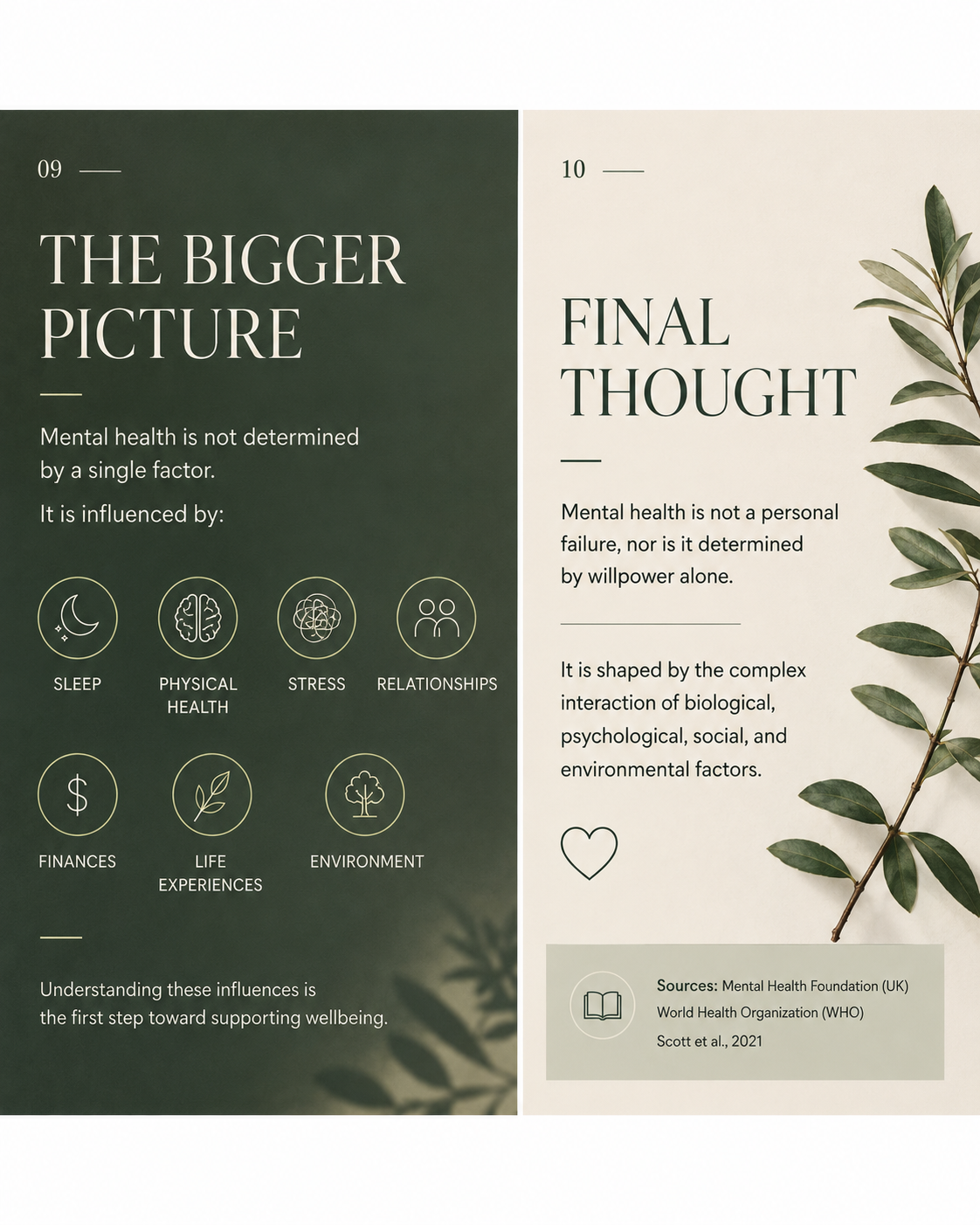
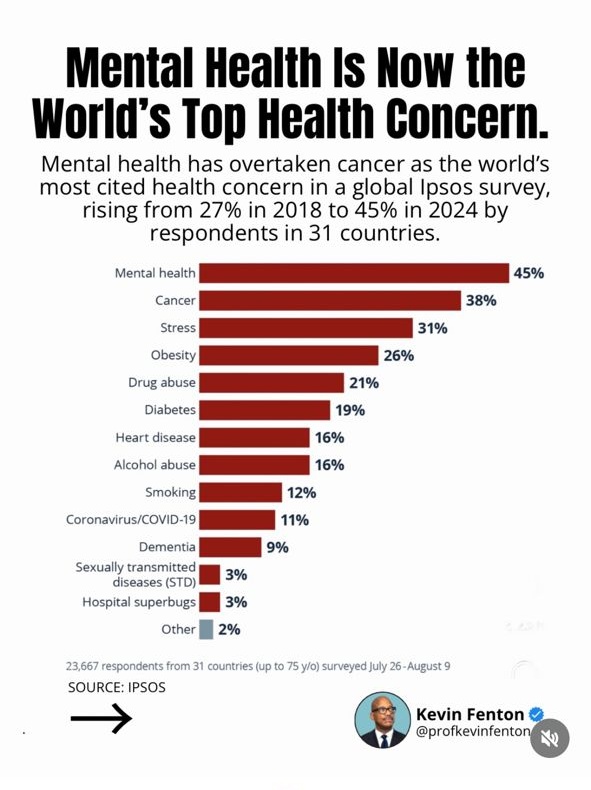
If the world is telling us this matters most, maybe it's time we start treating it that way — in our workplaces, schools, homes, and daily check-ins.
Source: @profkevinfenton (Instagram) · Data: Ipsos Global Survey, 2024
by Kiran Sandhu
• 1 month, 3 weeks ago

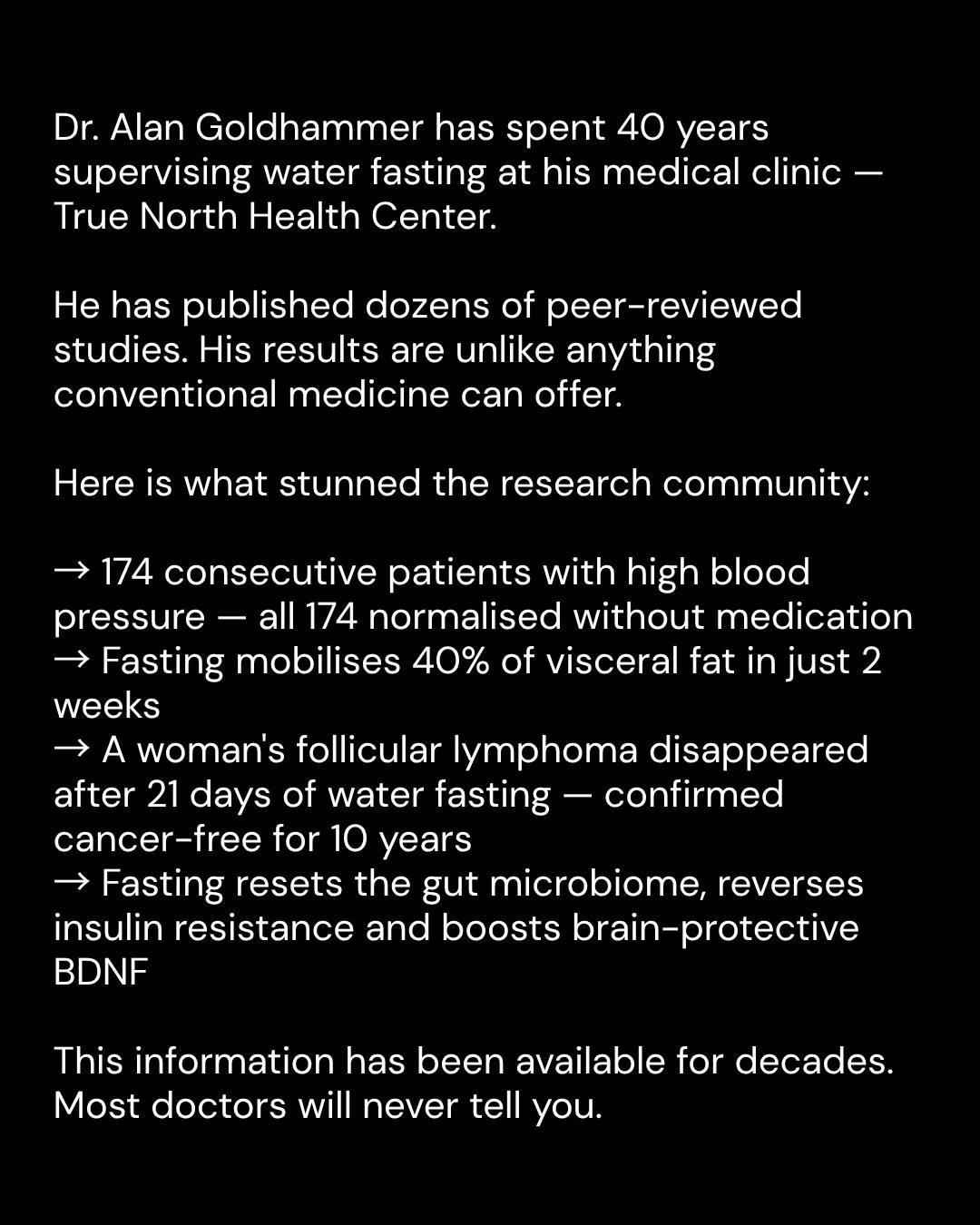
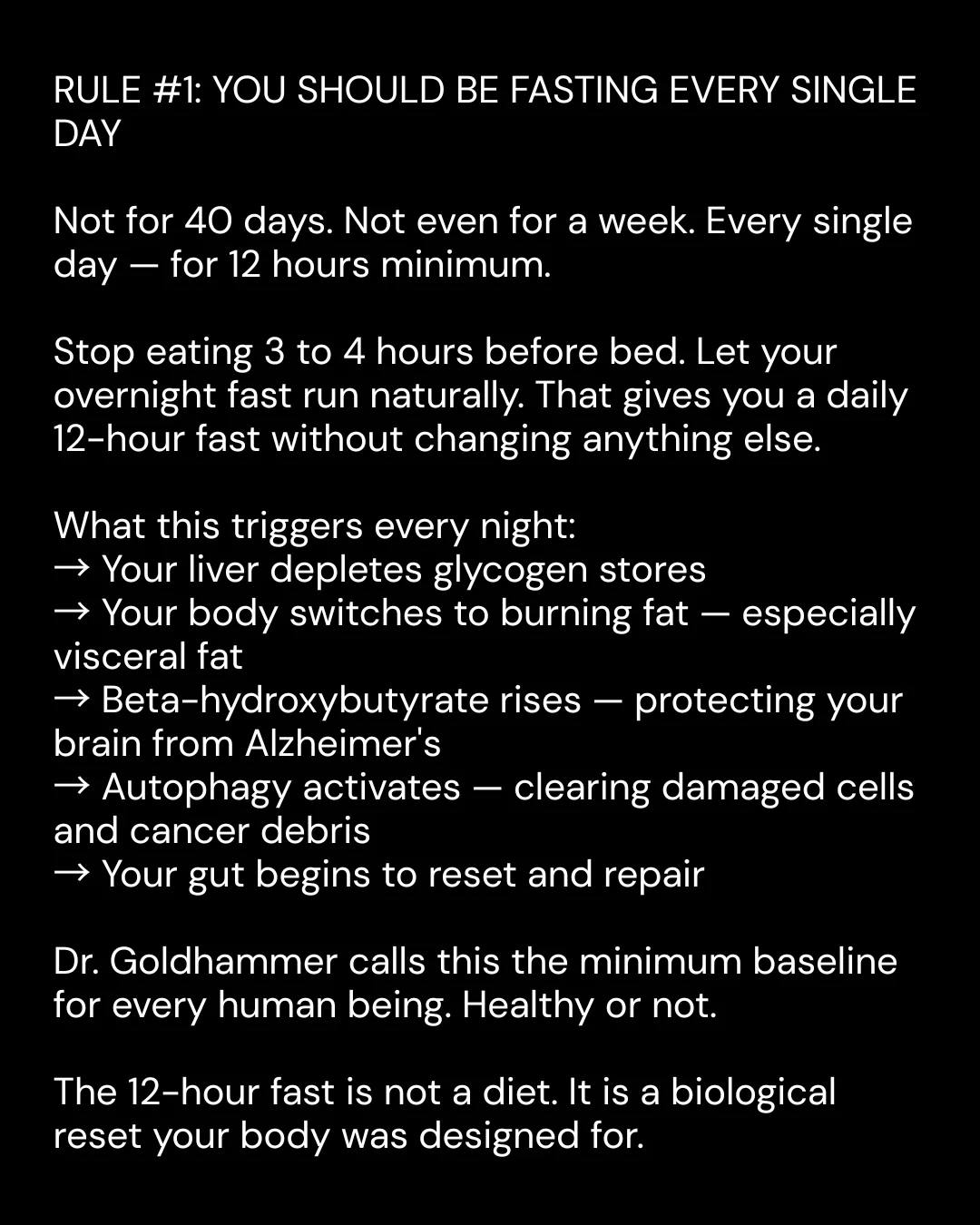
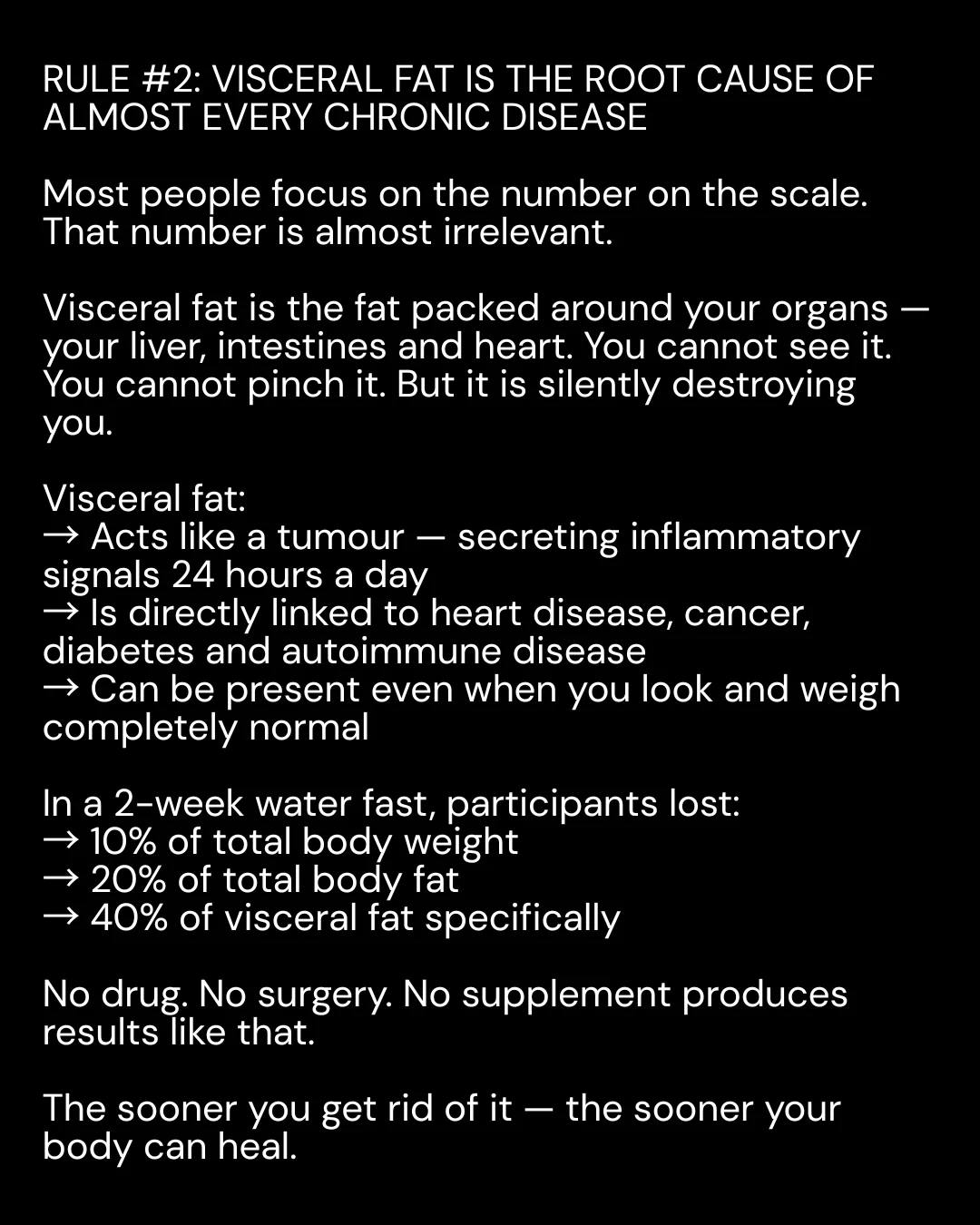
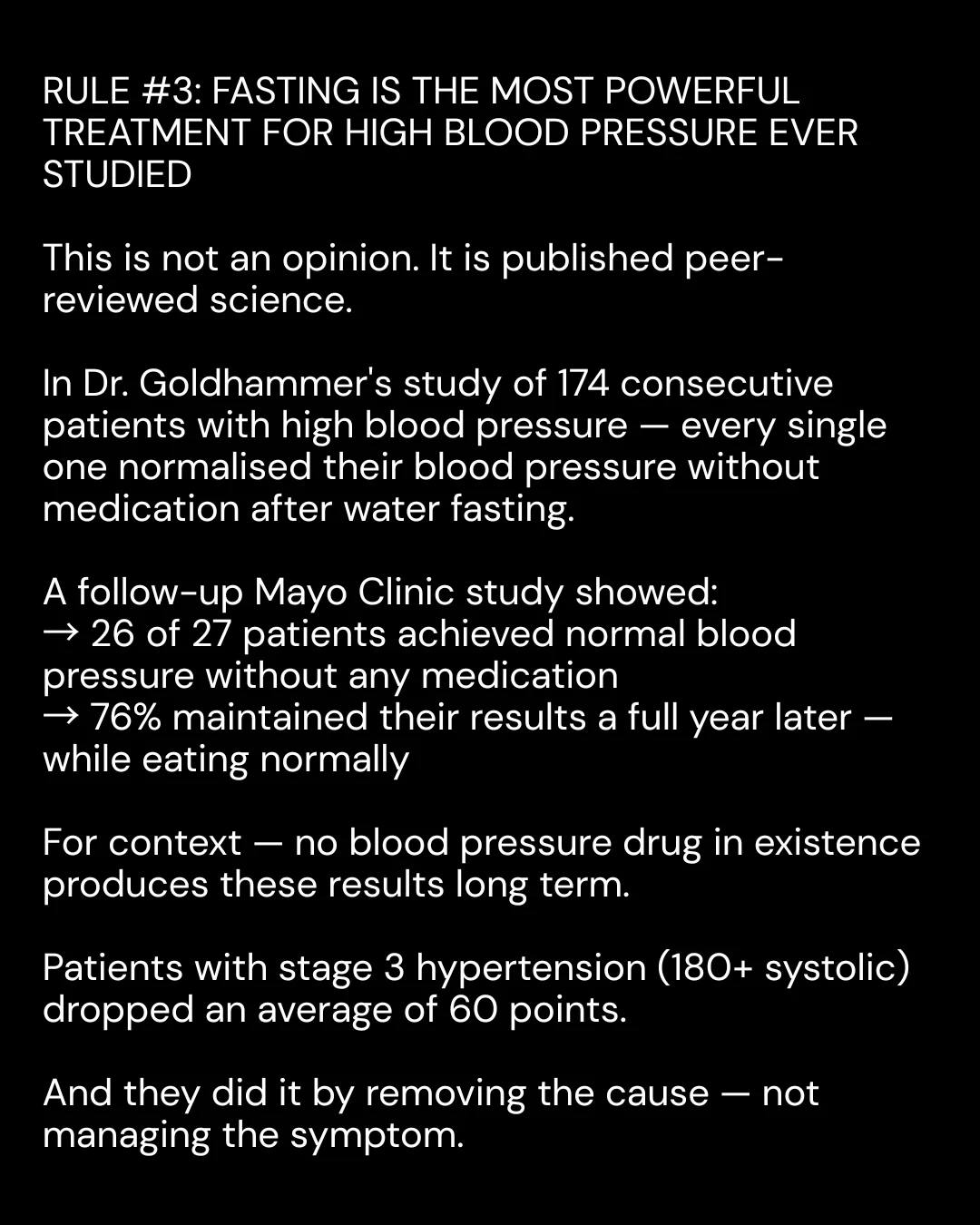
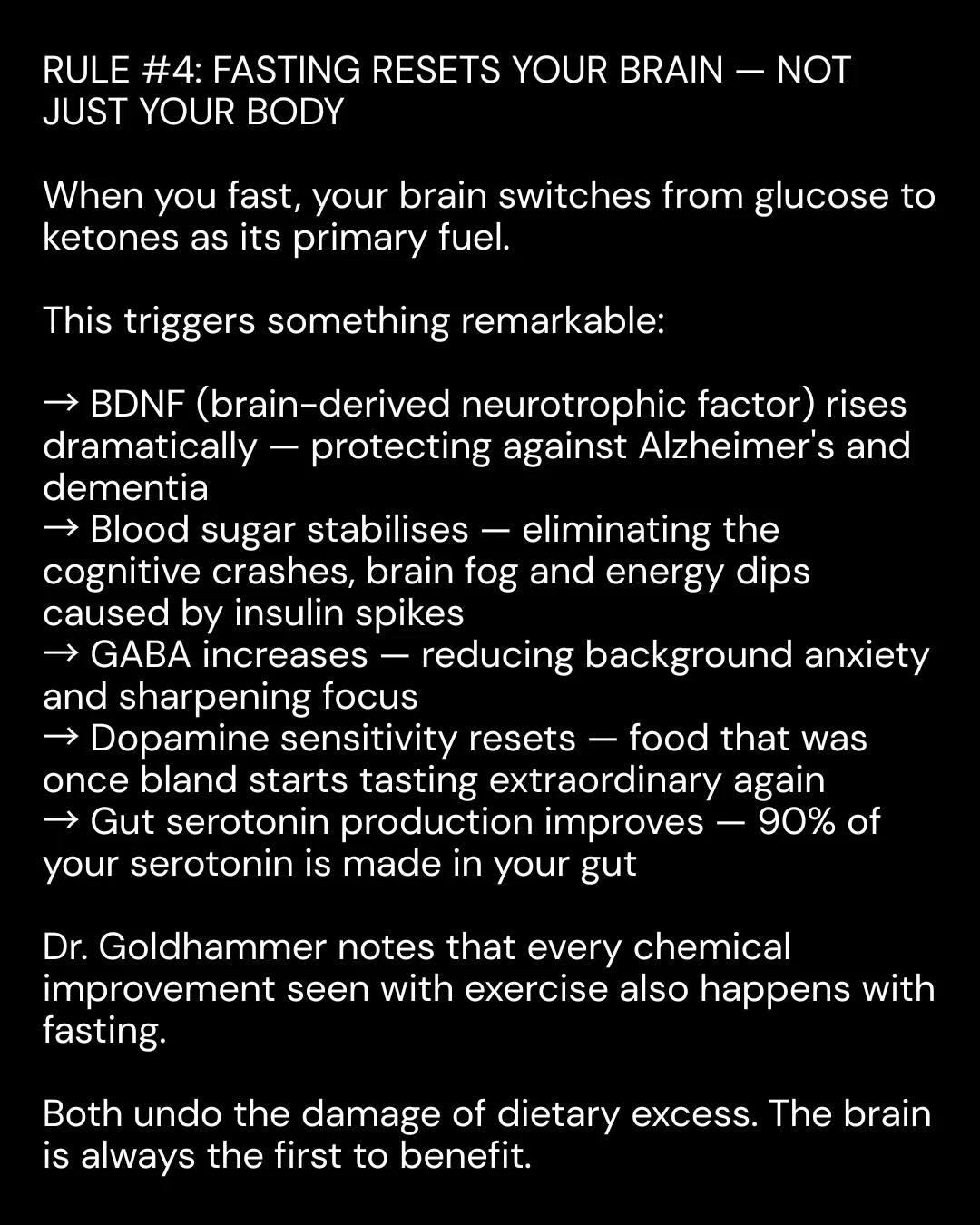
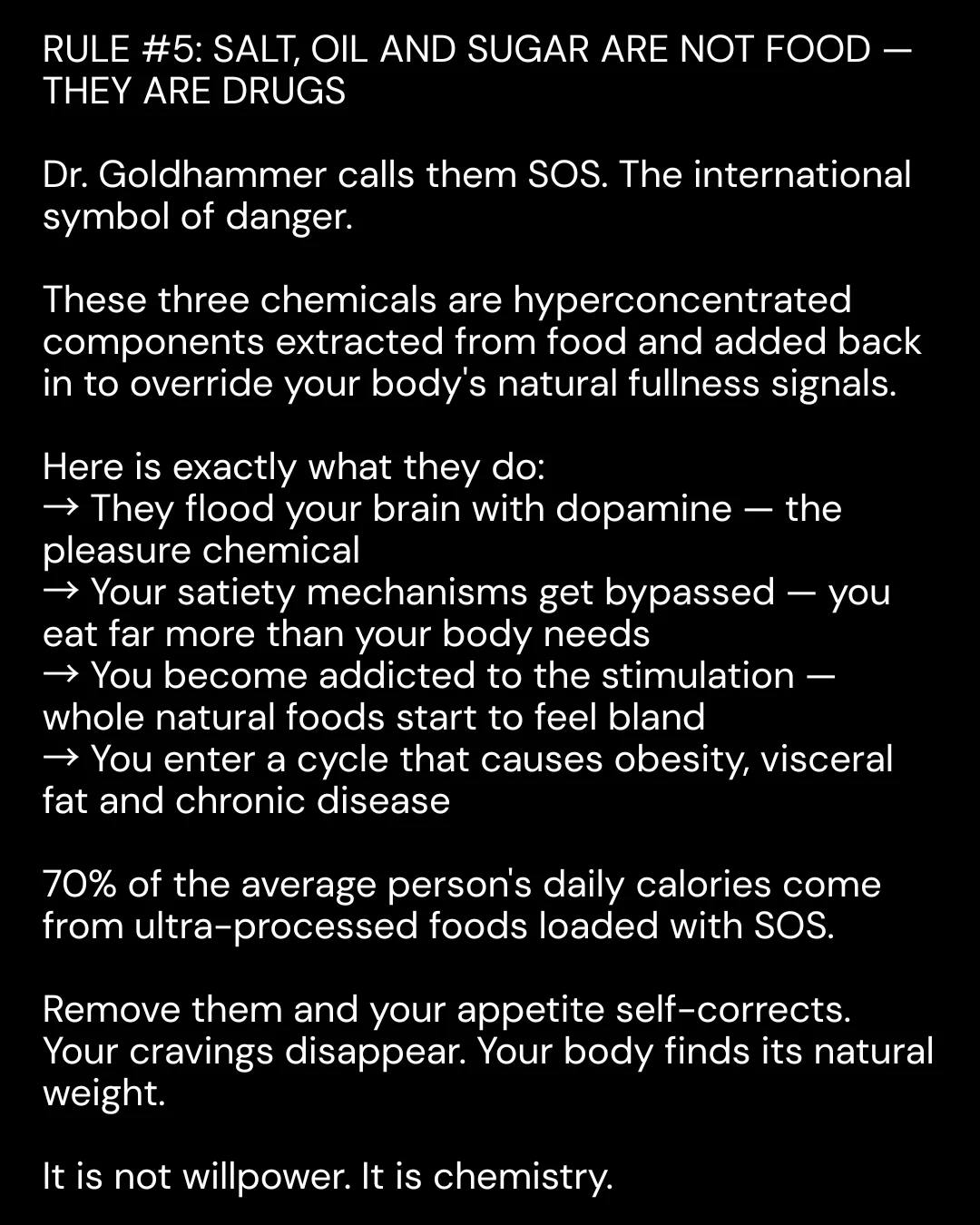
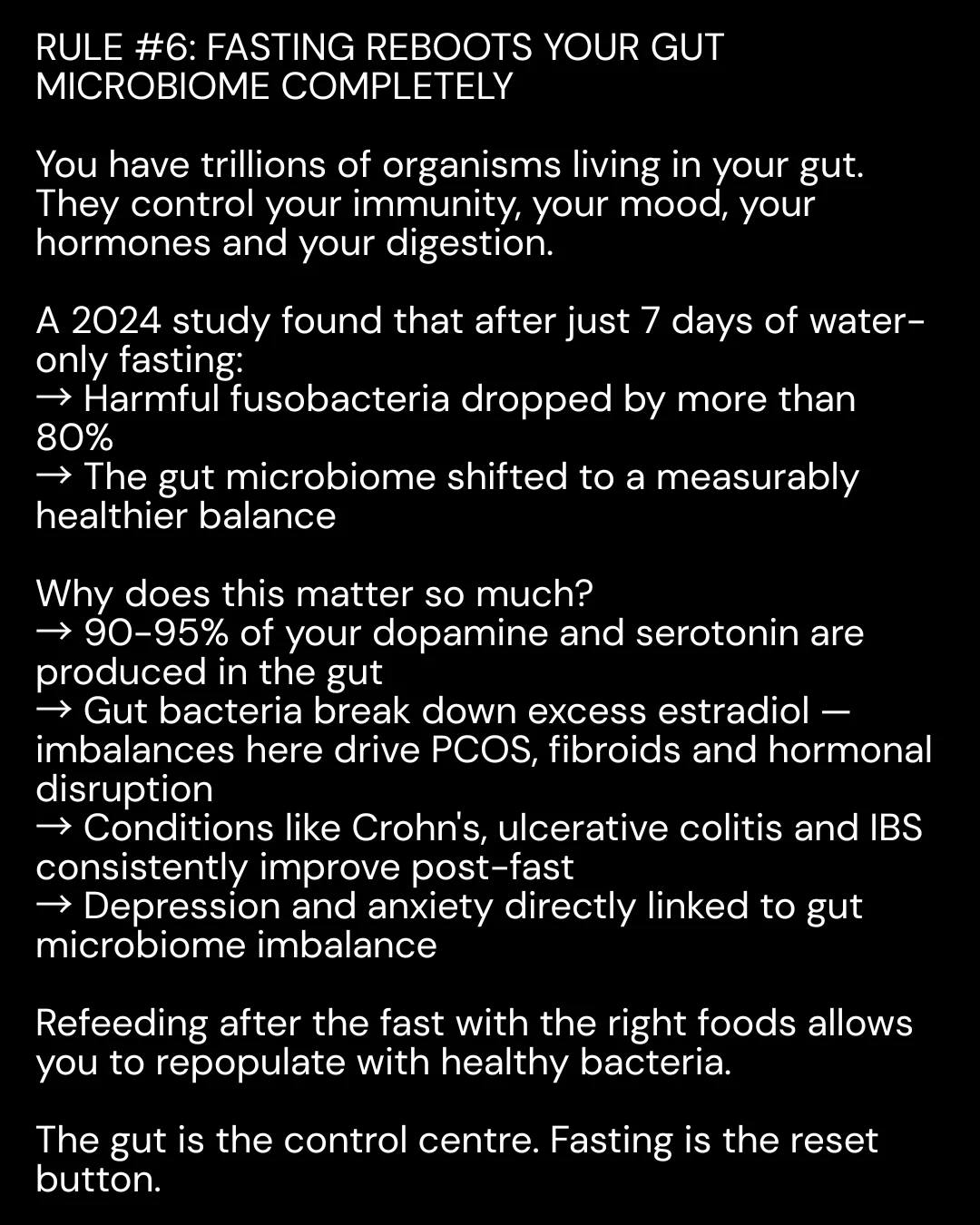
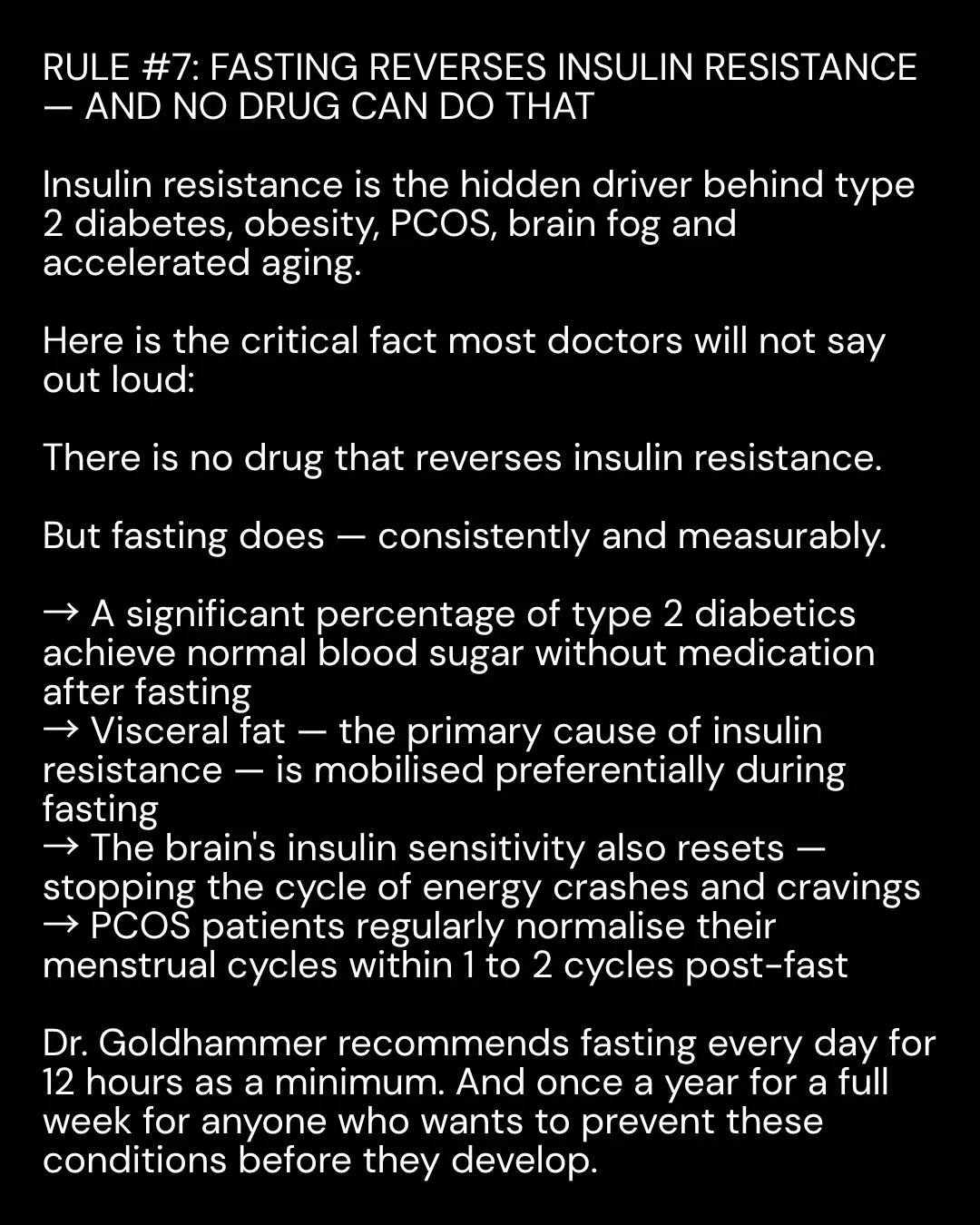
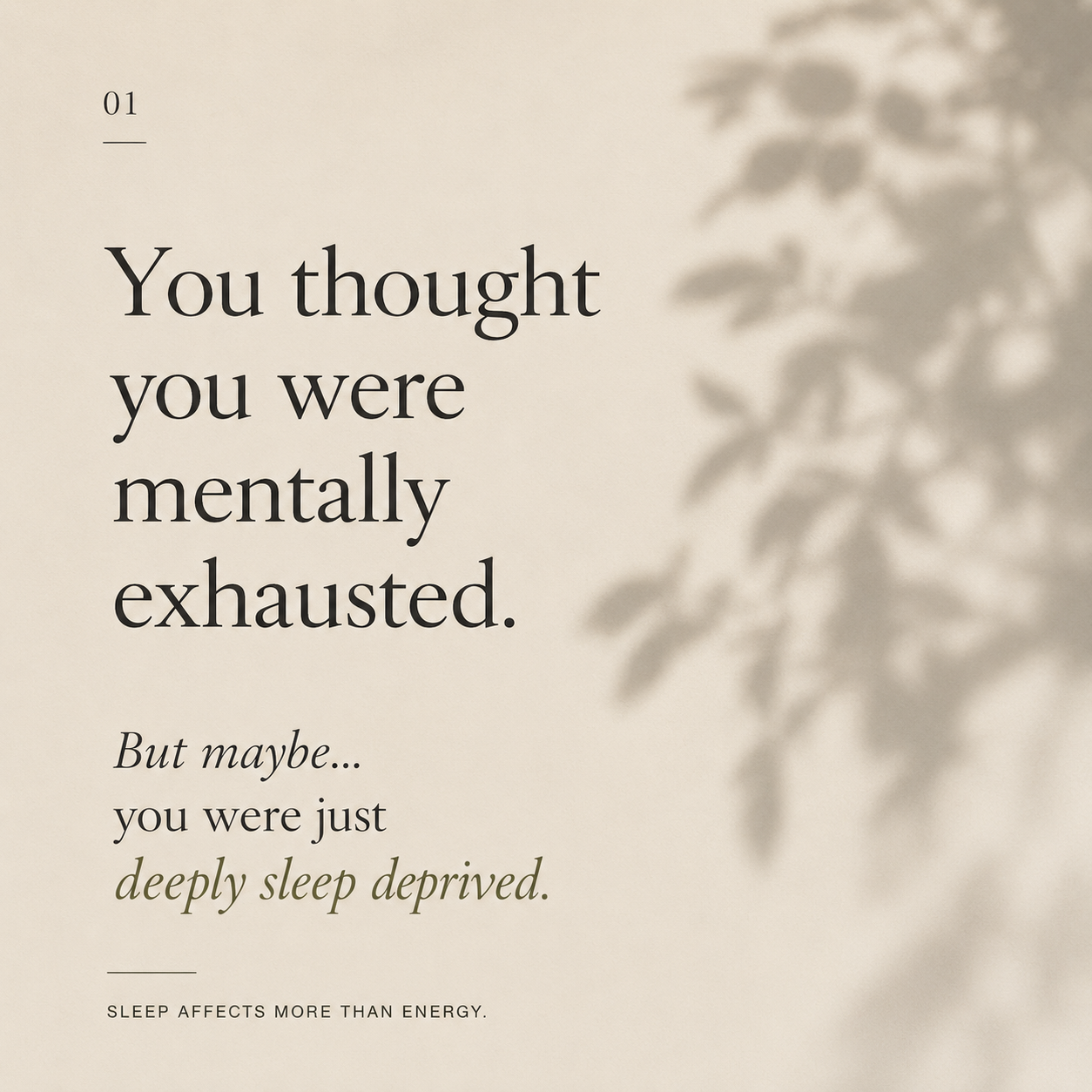
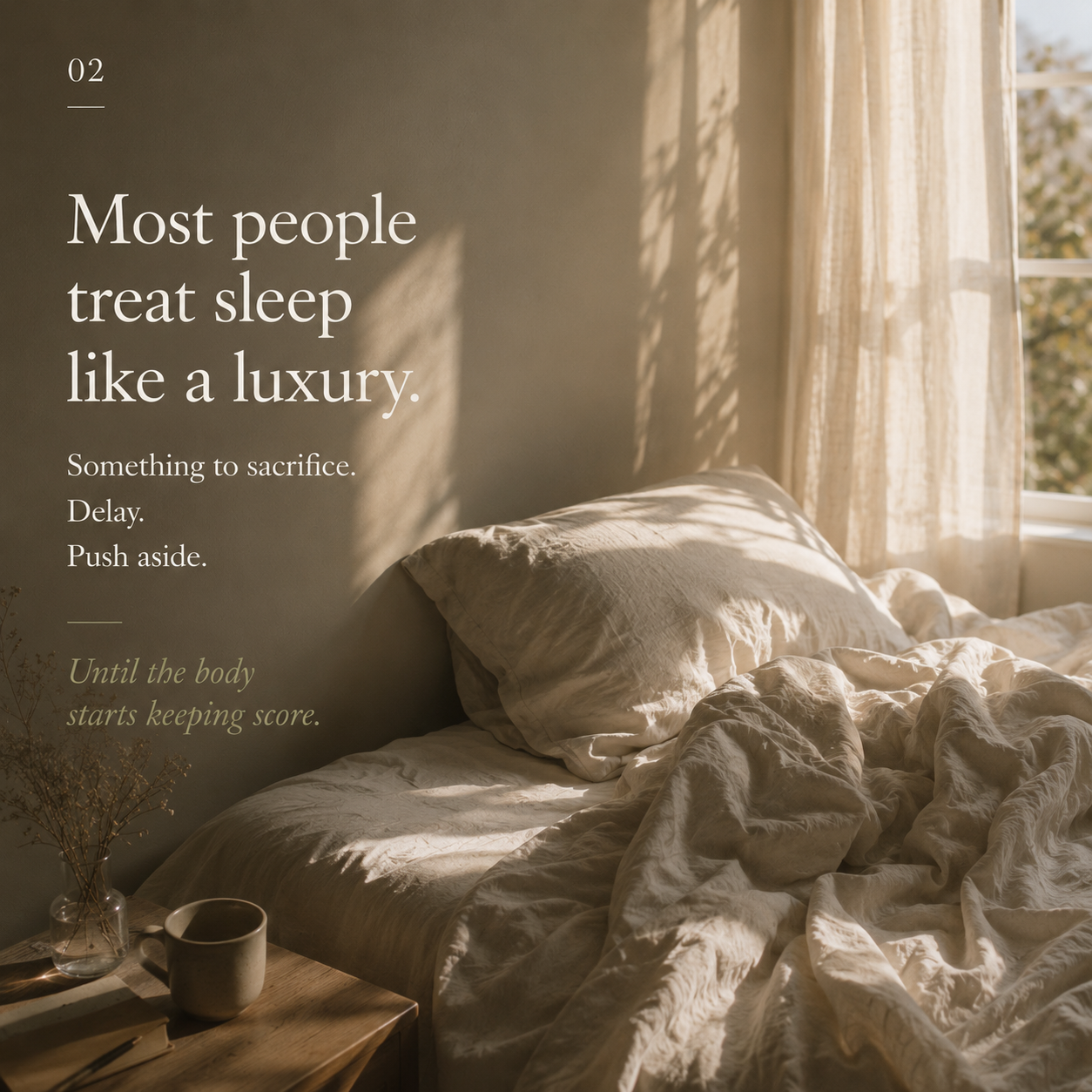
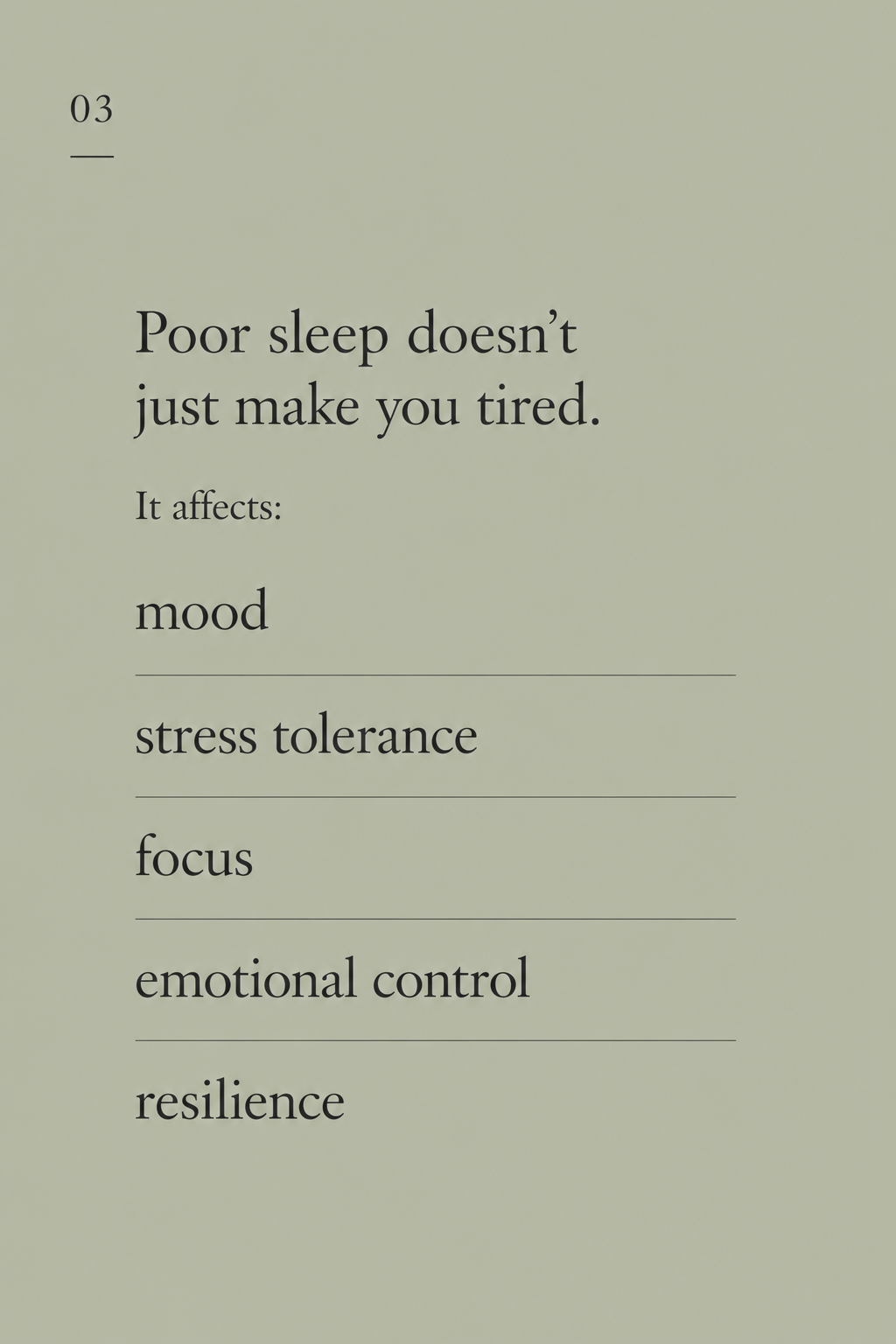
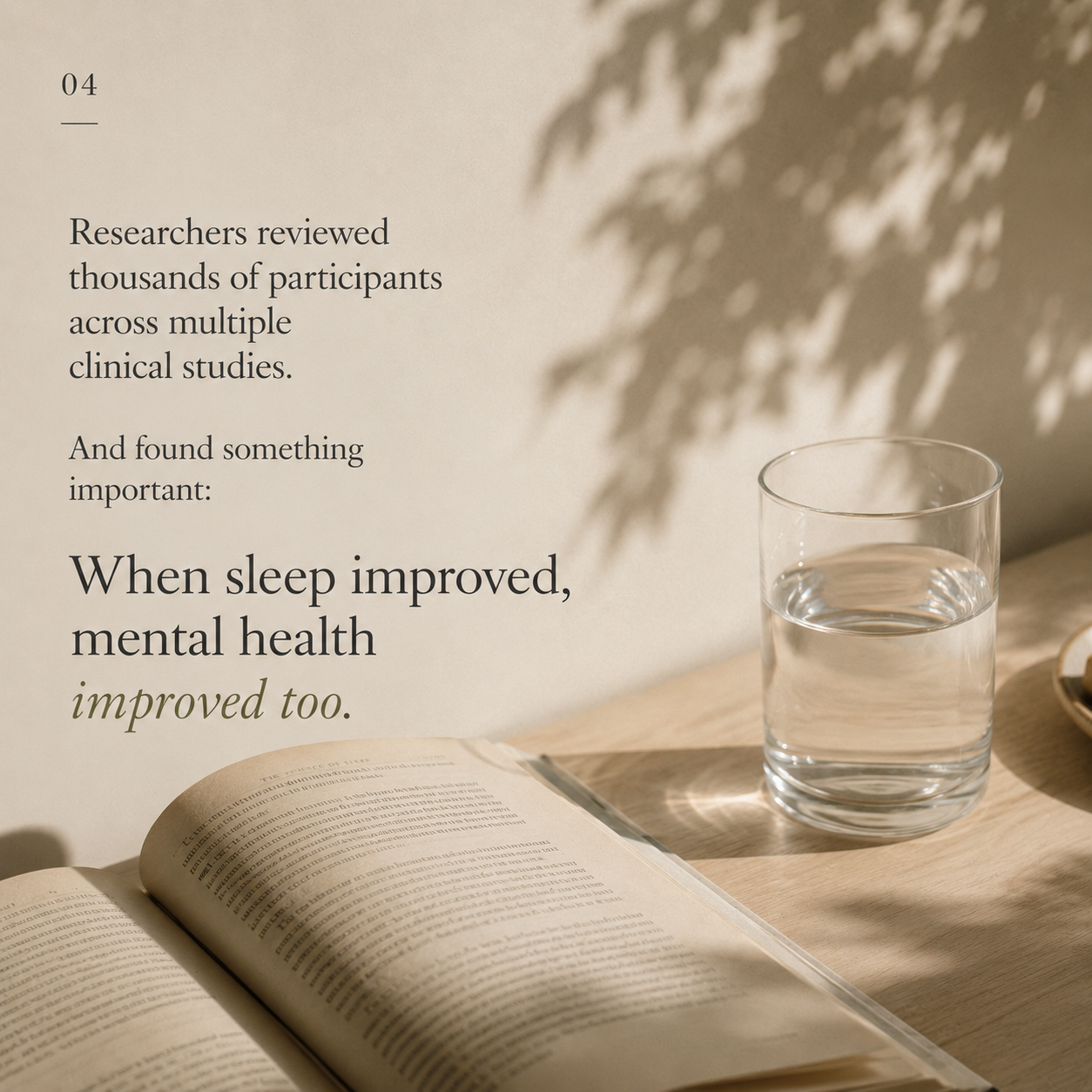
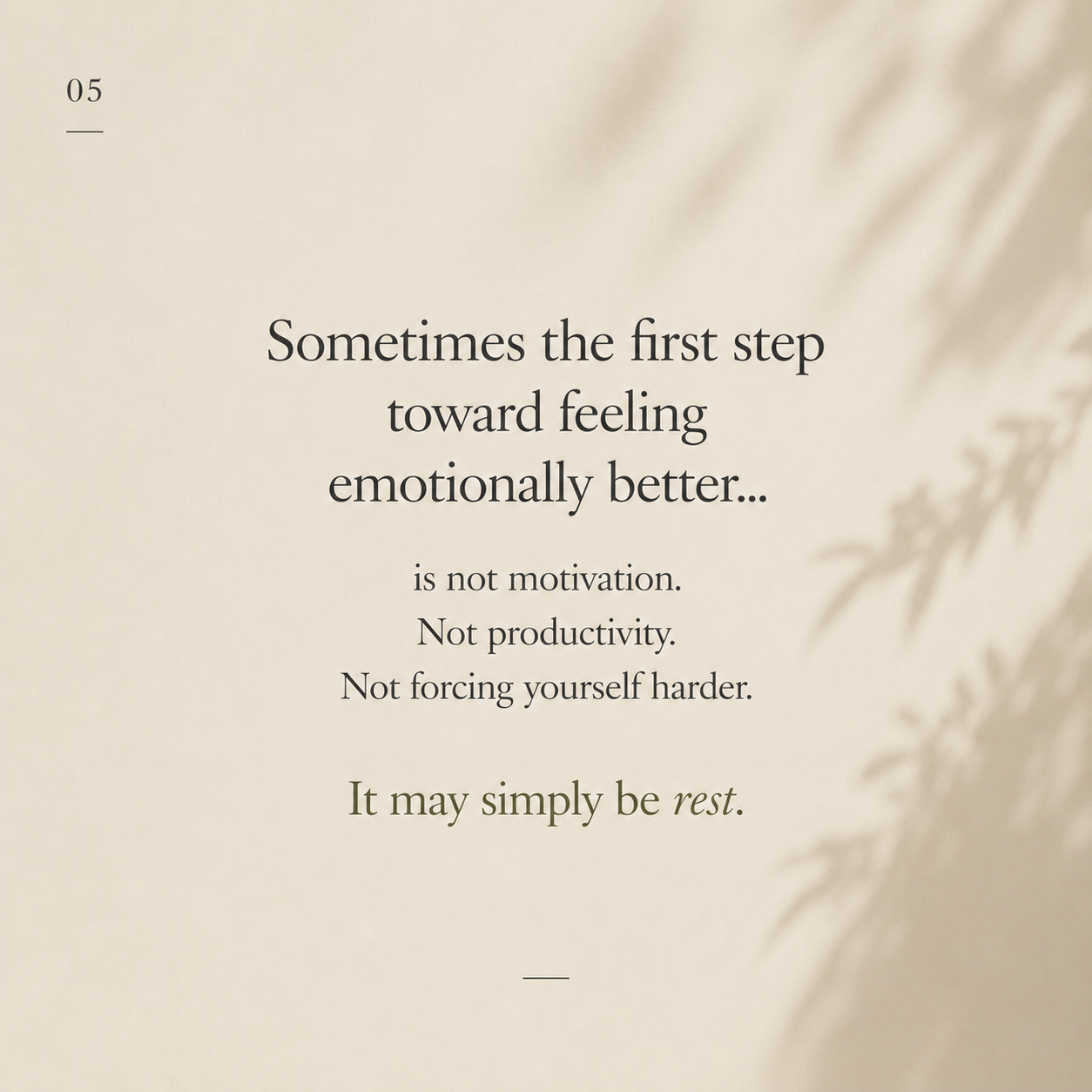




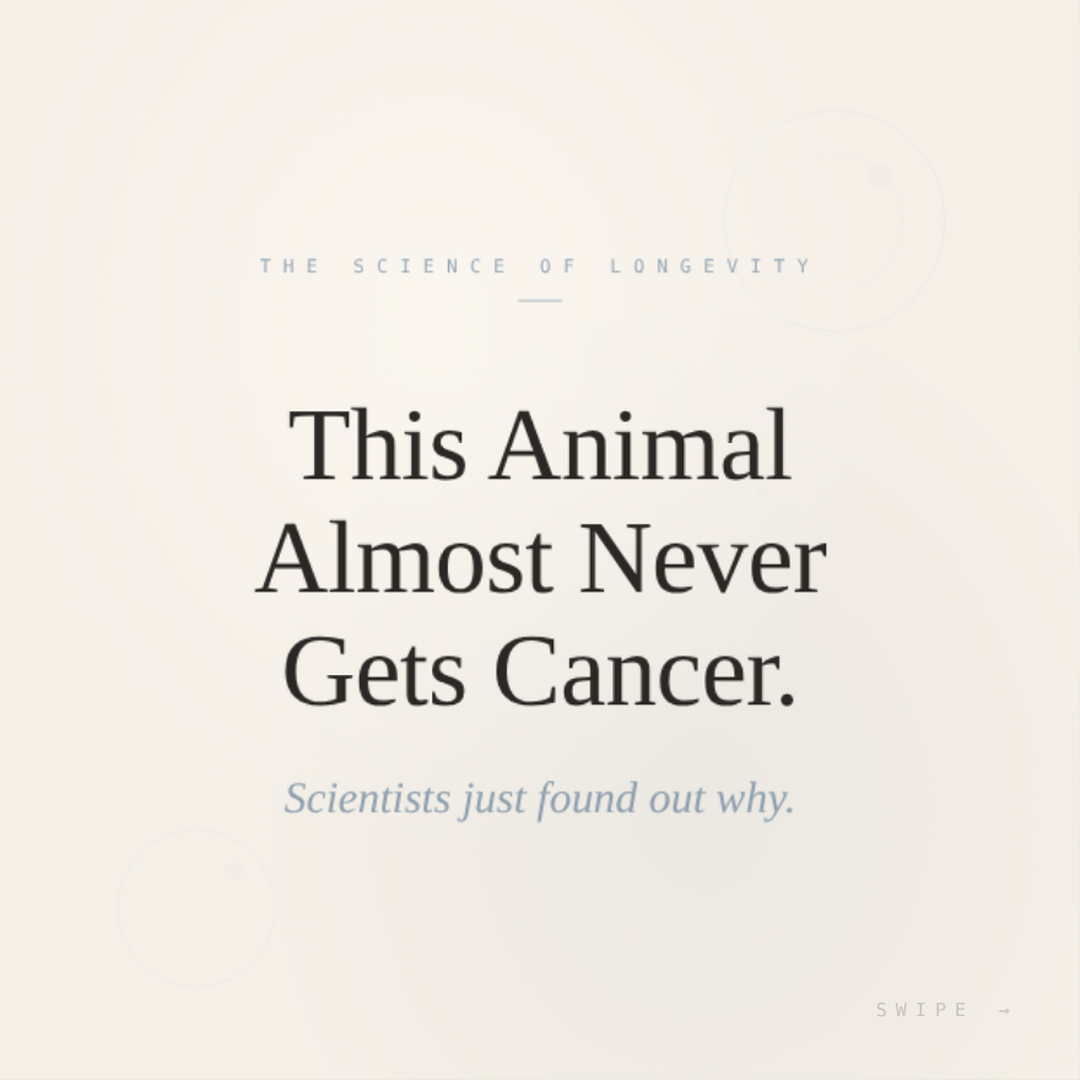
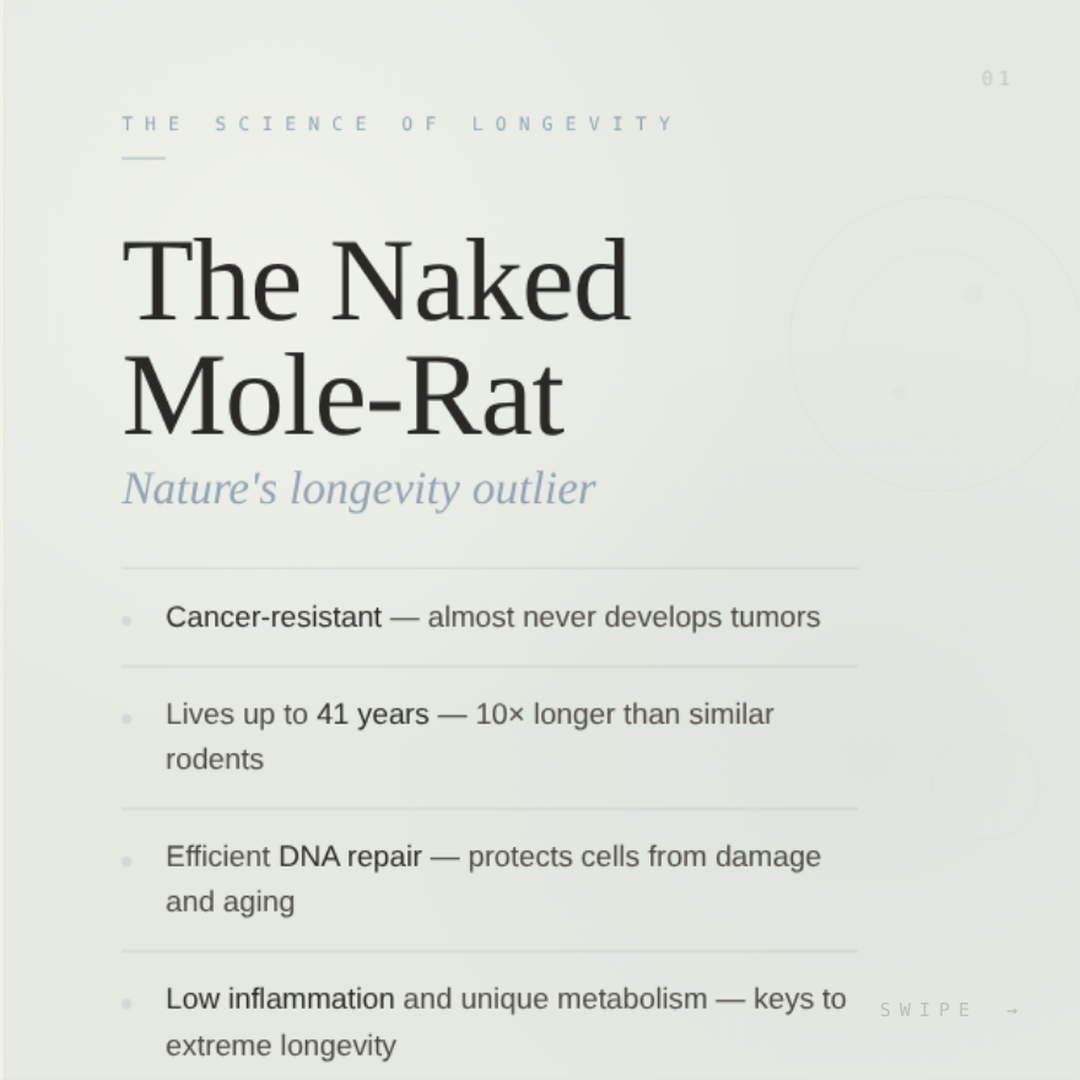
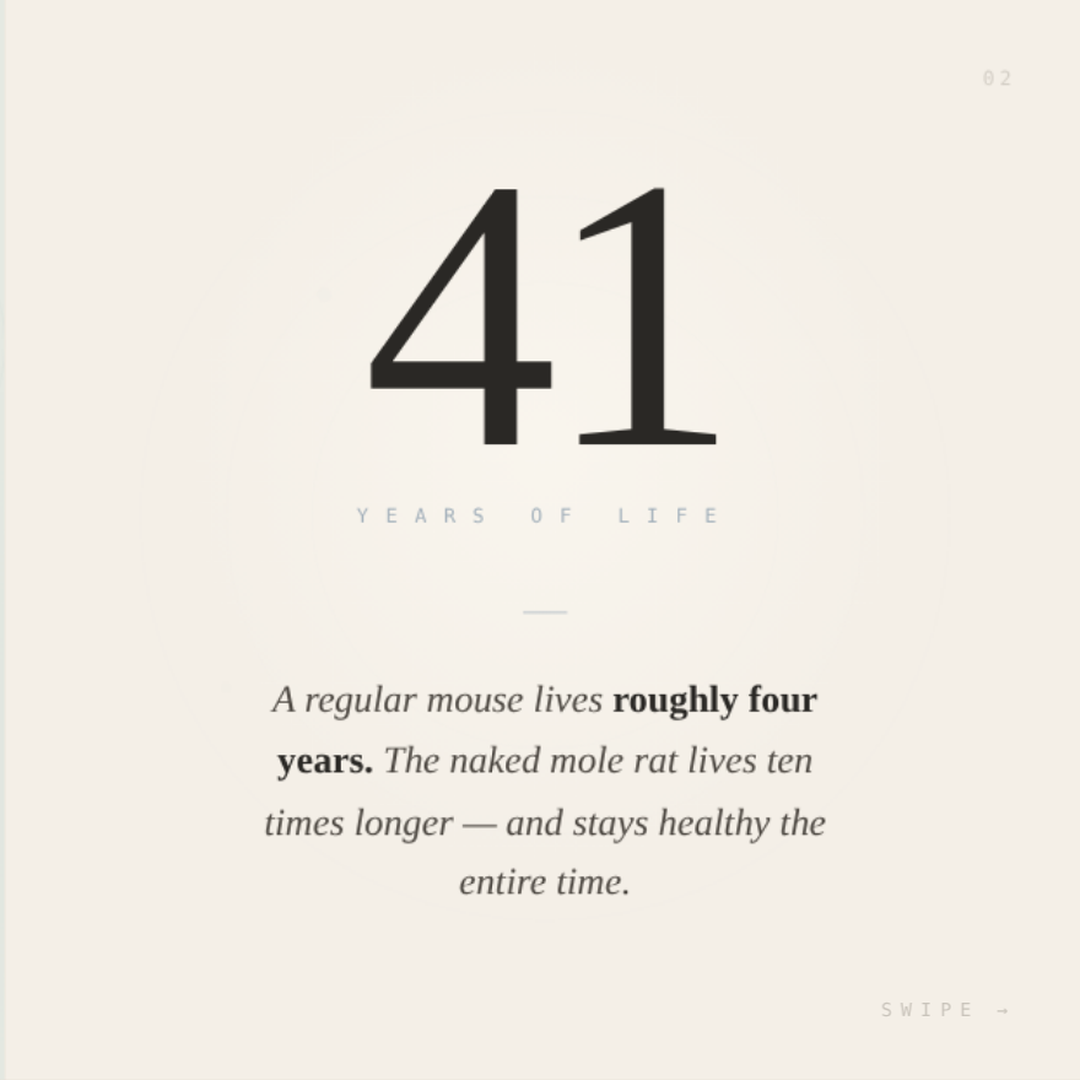
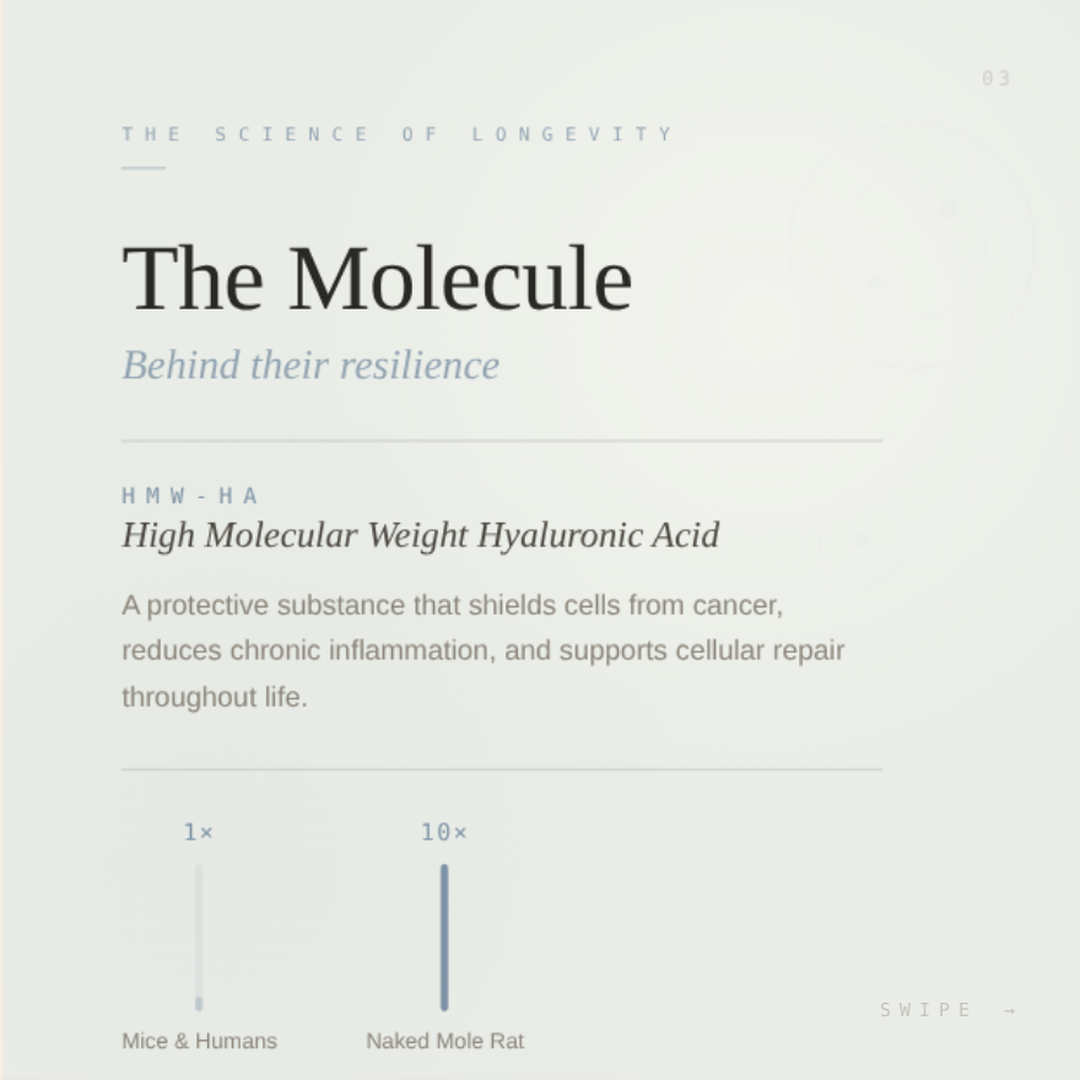
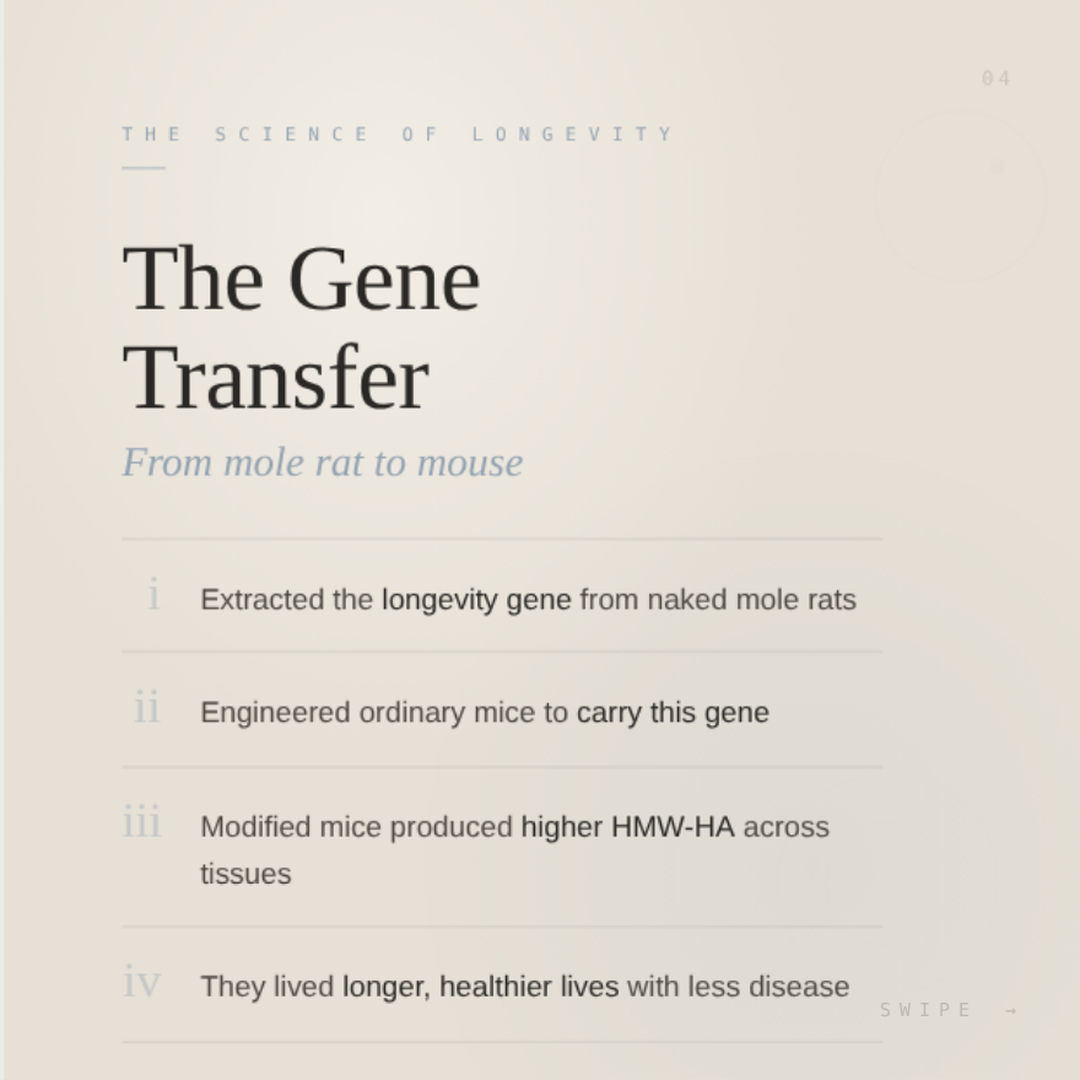
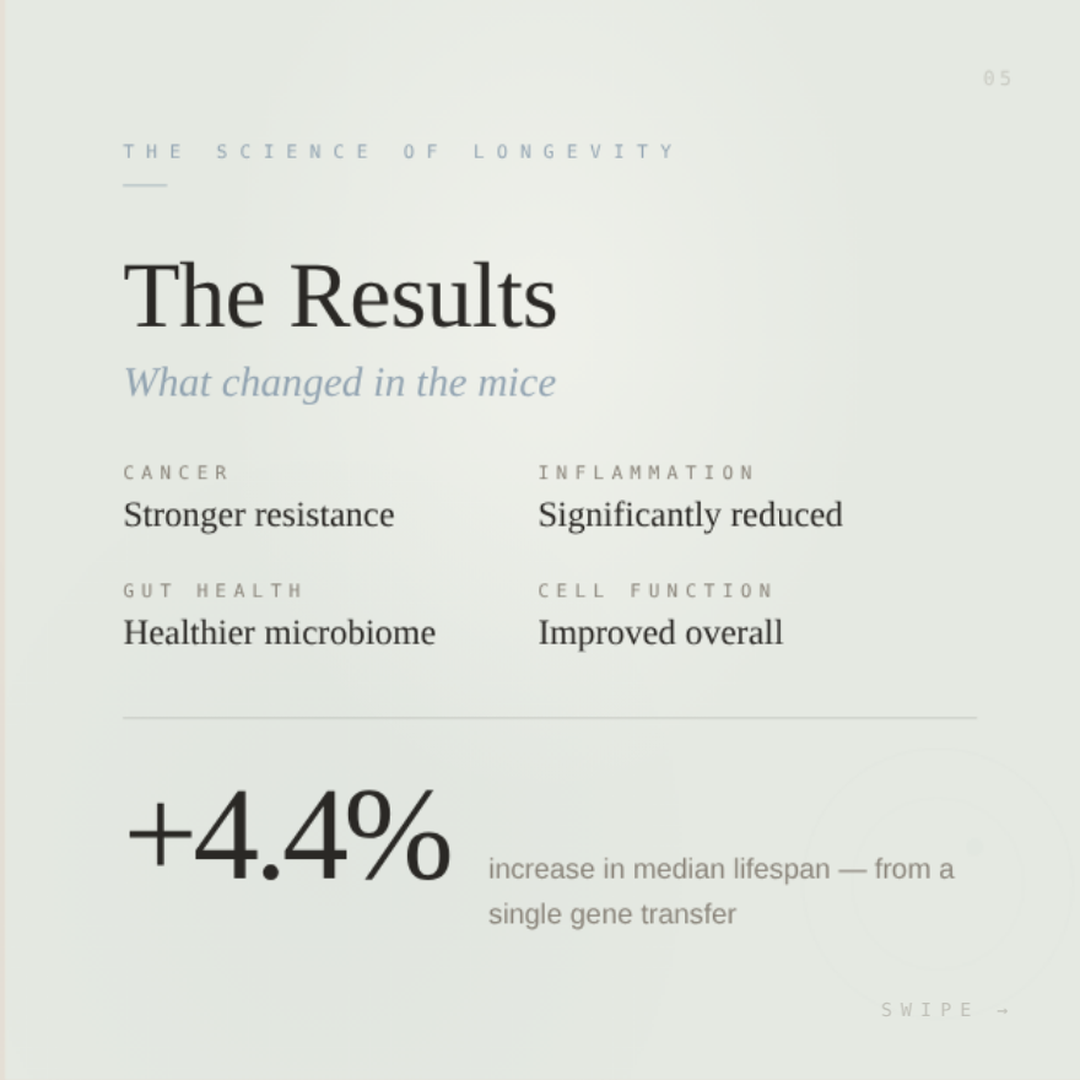
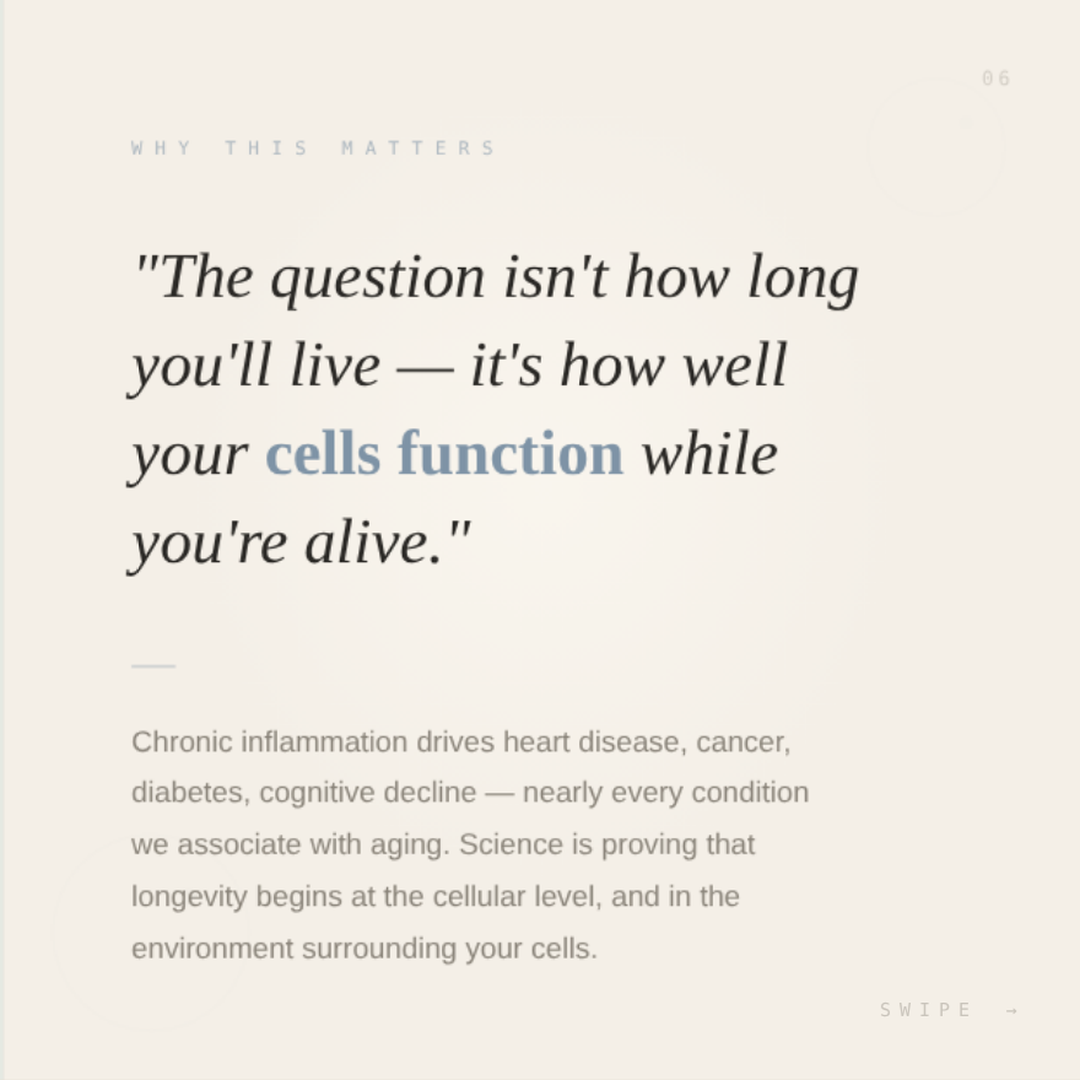
Our version declines with age. Stress breaks it down. Bad sleep breaks it down. When it fragments, those pieces actually trigger inflammation.
Deep sleep, less stress, real food, a cleaner environment - that's how we protect it.
by Kiran Sandhu
• 2 months ago
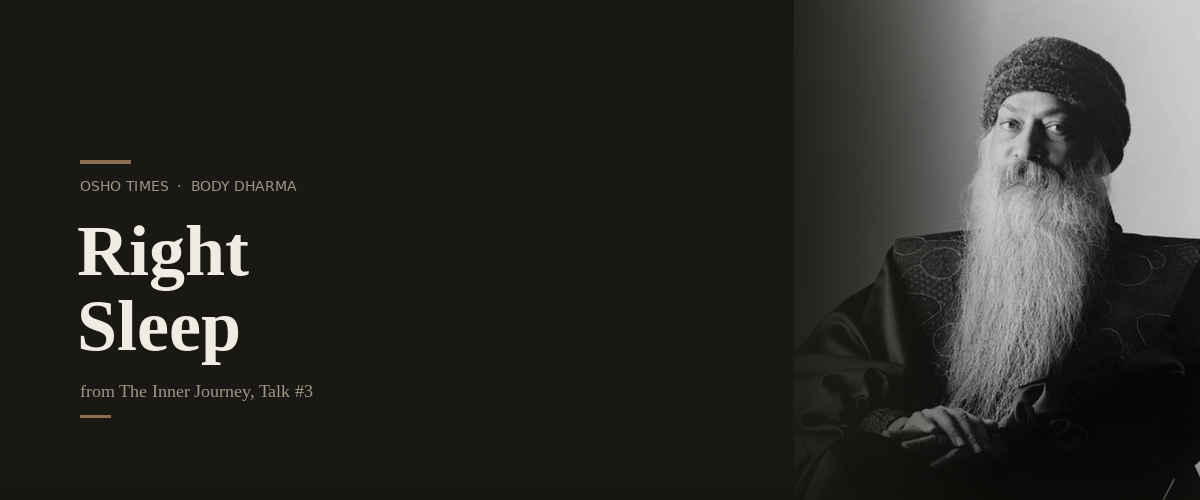
The thing which has been harmed the most in the development of human civilization is sleep. From the day man discovered artificial light, his sleep has become very troubled. And as more and more gadgets started falling into man's hands, he started feeling that sleep is an unnecessary thing, too much time is wasted in it. The time when we are asleep is a complete waste. So the less sleep we can do with the better. It does not occur to people that sleep has any kind of contribution to the deeper processes of life. They …
by Kiran Sandhu
• 2 months, 1 week ago
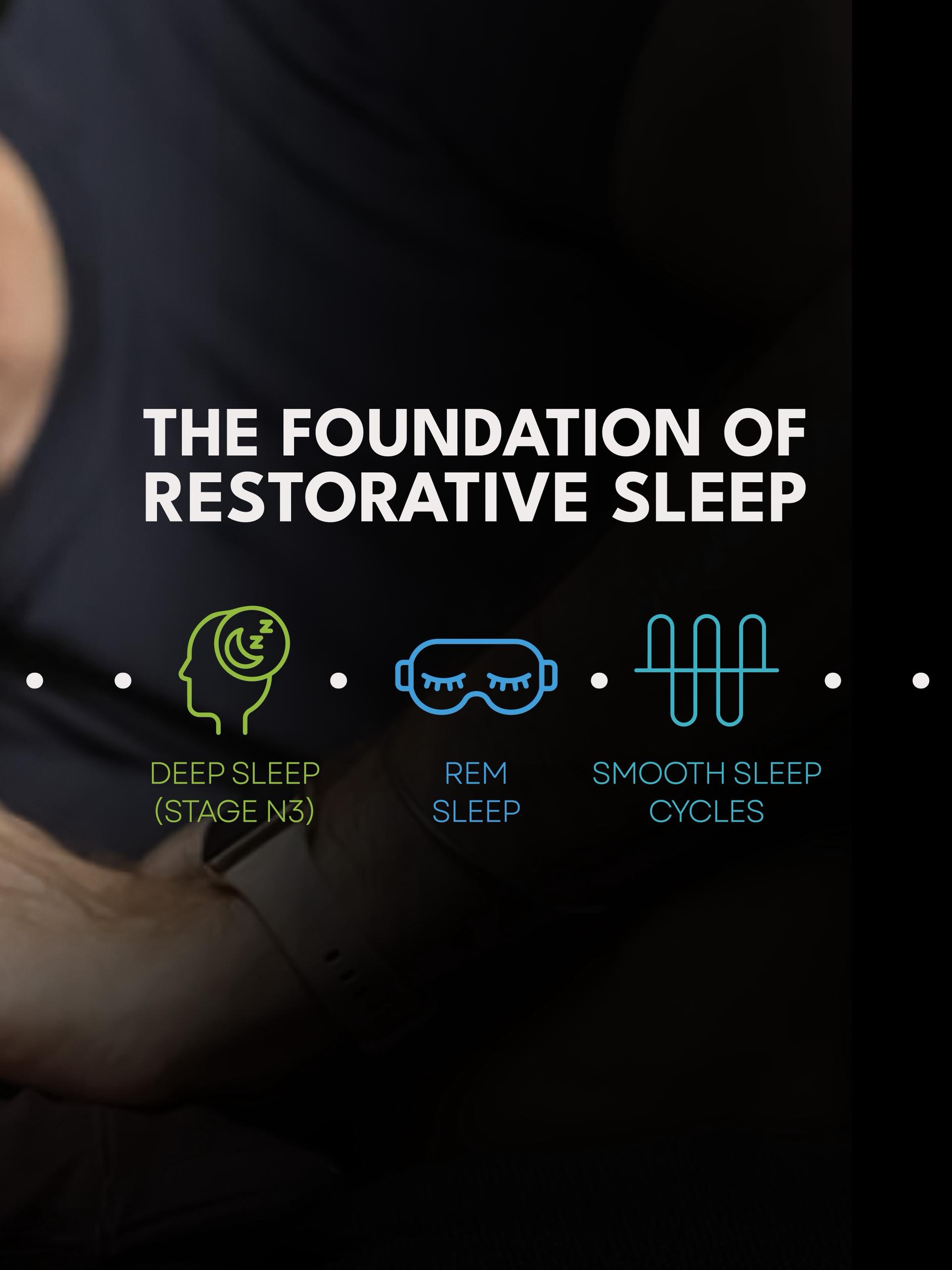
.jpeg)
.jpeg)
by Kiran Sandhu
• 2 months, 1 week ago

5 min read | July 22, 2025
Medically reviewed by Ana C. Krieger, M.D. MPH
Written by Camille Bautista-Fryer
Ever wonder why some people are up before dawn ready to start their day and others aren’t ready to call it a night until the wee hours? While lifestyle may impact the hours we sleep, there’s also a natural rhythm that we’re driven by.
“The same way the heart has a pacemaker, the sleep process has a pacemaker — your sleep rhythm,” …
by Kiran Sandhu
• 2 months, 1 week ago
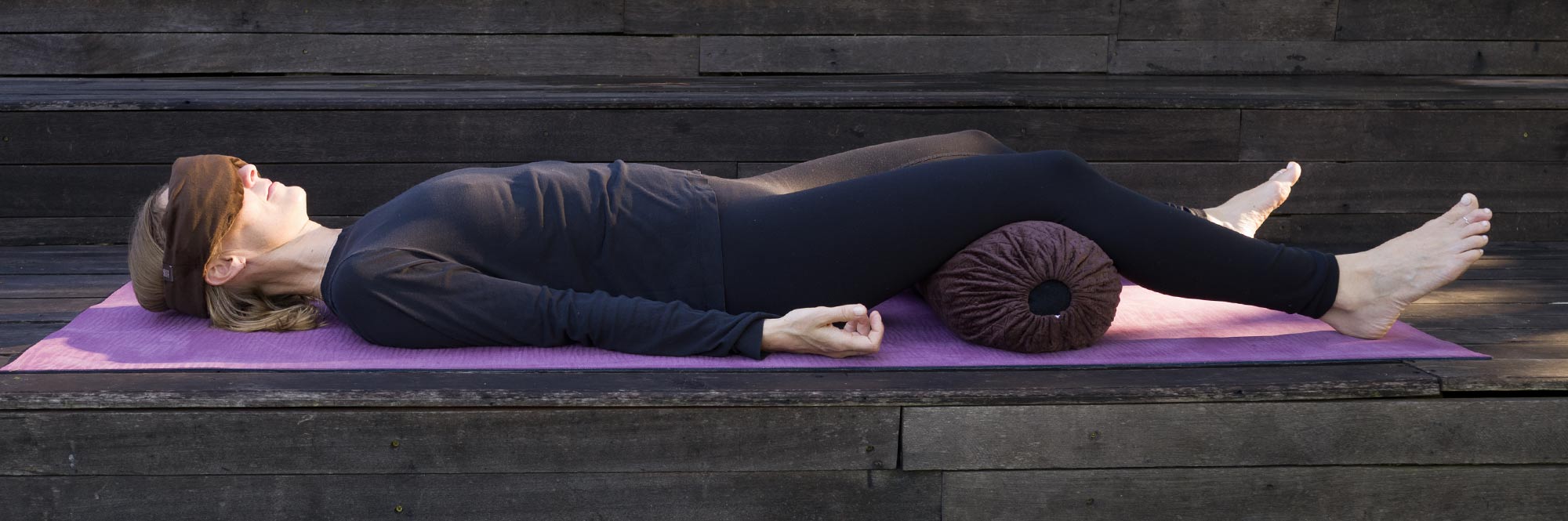
An ancient secret to well-being and living optimally
Rooted in ancient wisdom, this state of conscious relaxation mirrors the healing stillness of meditation. Wearing Zazen Scalar I-Wear, lying down flat with the feet raised, one enters a beautiful space of simply being with oneself. In this state of self-care, rest and sleep happens. The mind surrenders, the body regenerates, and the nervous system resets. In this natural, calm and relaxed state, the body wakes up to repair and heal itself, coming into immense balance. This deep restorative rest is known as Samadhi Sleep.

by Abhi
• 2 months, 1 week ago
Credit: https://www.youtube.com/shorts/bno8gRnx0Ig

by Kiran Sandhu
• 2 months, 1 week ago