Mental Wellness
The mental wellness community

Mental Wellness
Led by The Pivot Point

Here is an article discussing the social comparison bias and the toxicity of it: https://thedecisionlab.com/reference-guide/psychology/social-comparison-theory

by Wei Wei
• 5 days, 19 hours ago
Here is an article that explains this phenomenon: https://lksquaero.com/the-victim-rescuer-persecutor-paradigm-2/
There is so much to look into this when I looked up some research about this paradigm. The contemplation is, when this paradigm becomes …

by Wei Wei
• 5 days, 19 hours ago

by Wei Wei
• 1 week, 6 days ago
Exercise: “Hidden & Seen”
Fold a paper in half. On the outside: draw how you presented yourself to the world as a child. On the inside: draw what you kept hidden. Reflect on what it would mean for the inside to be acceptable.
Schema 2: Subjugation / Loss of Autonomy
Exercise: “What I Wanted”
Using non-dominant hand drawing (to bypass the inner critic), make marks, shapes, or images representing things you wanted but couldn’t have or say as a child. No rules about what it “should” look like.
by Wei Wei
• 2 weeks, 1 day ago


However, a person with a superiority complex may actually be trying to mask, hide, or overcompensate for feelings of inferiority.
When Adler first began exploringTrusted Source individual psychology, he believed that a superiority complex may begin in childhood. He theorized that a person’s upbringing could lay the groundwork for feelings of inferiority. This could cause them to feel the need to overcompensate when they reached school age, thus creating …

by Wei Wei
• 1 month, 2 weeks ago
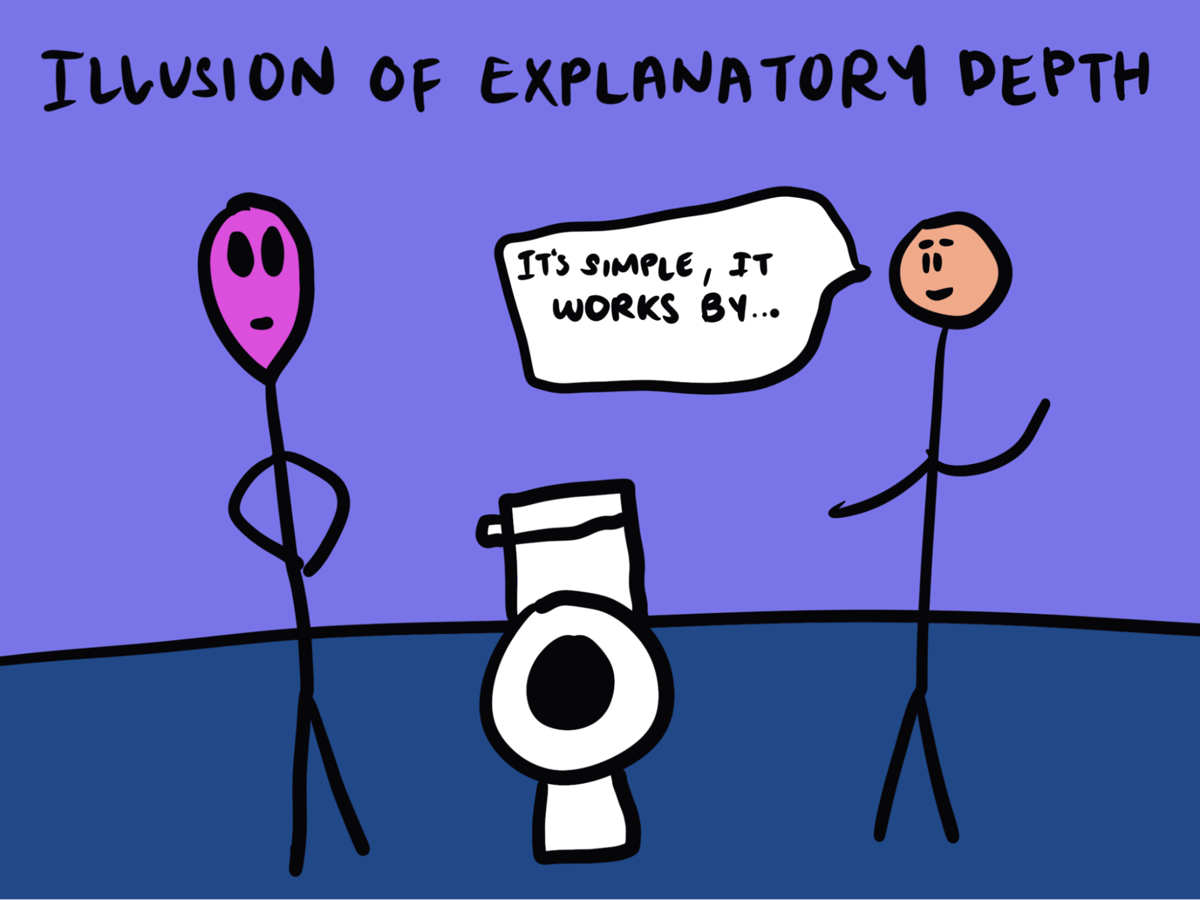
Here is an article exploring this phenomenon: Why do we think we understand this world more than we actually do? https://thedecisionlab.com/biases/the-illusion-of-explanatory-depth
by Wei Wei
• 1 month, 2 weeks ago
Sometimes others or society would judge the result as well, and reducing us by violating our learning process.
All learning takes time, and as a learner, not underestimating the effort to be made is critical. If we are …
by Wei Wei
• 1 month, 3 weeks ago
Apparently it’s not true. The moment a person wakes up to respond to life, the knowledge of the past is irrelevant, that’s the direction of the new studies. The inquiry is how do we learn to respond?
by Wei Wei
• 1 month, 3 weeks ago
We shrink, and doubt, and get denied by the collective …
by Wei Wei
• 1 month, 3 weeks ago
by Wei Wei
• 1 month, 3 weeks ago
by Wei Wei
• 1 month, 3 weeks ago

by Wei Wei
• 1 month, 3 weeks ago

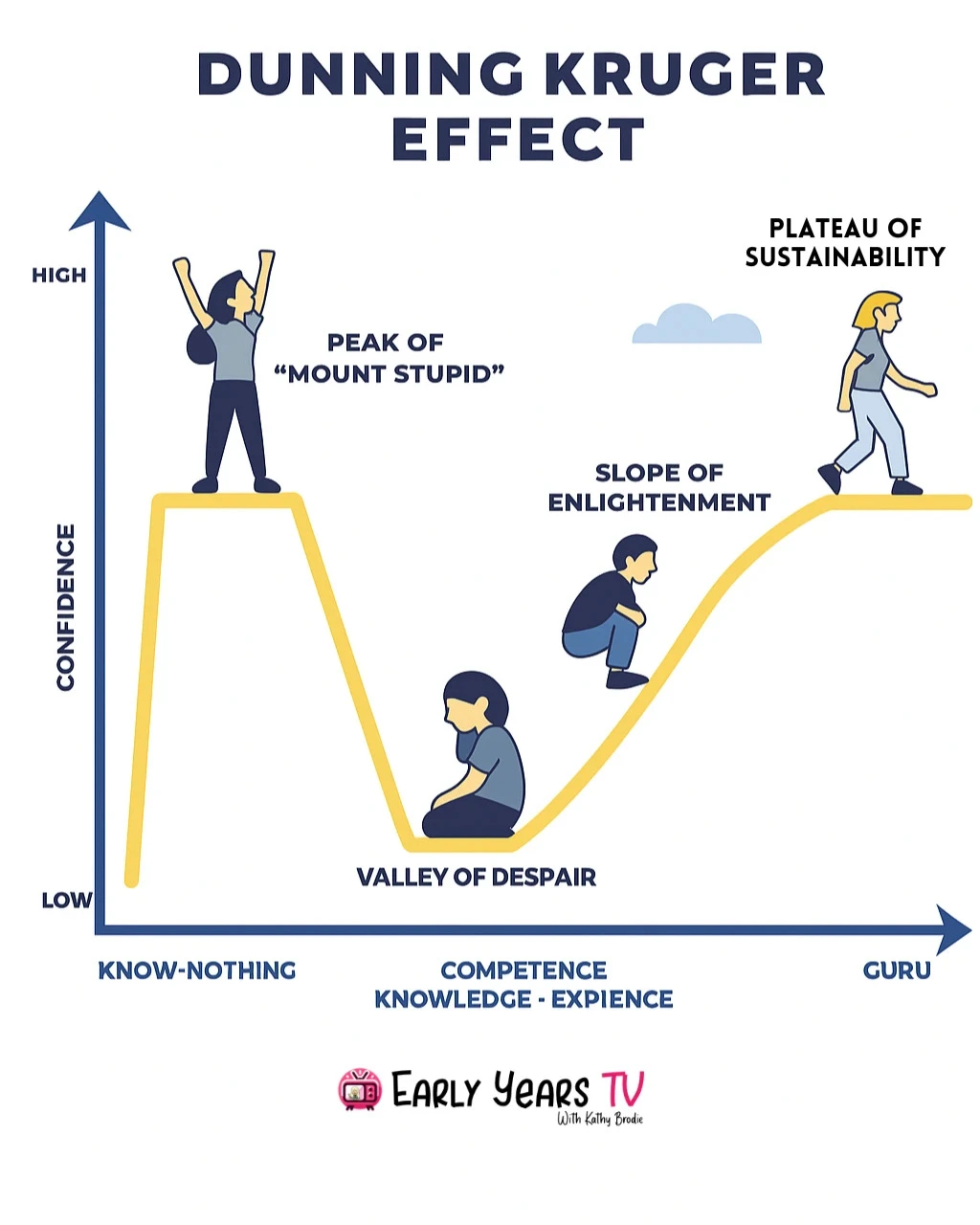
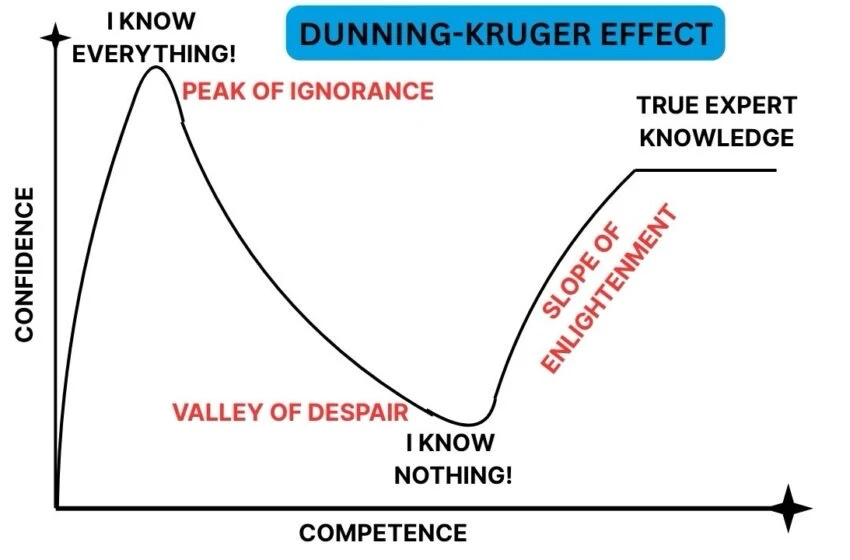
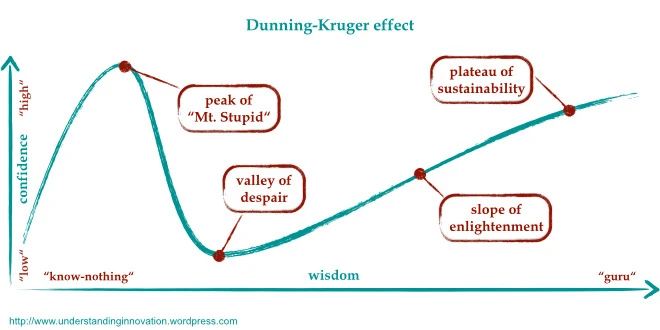
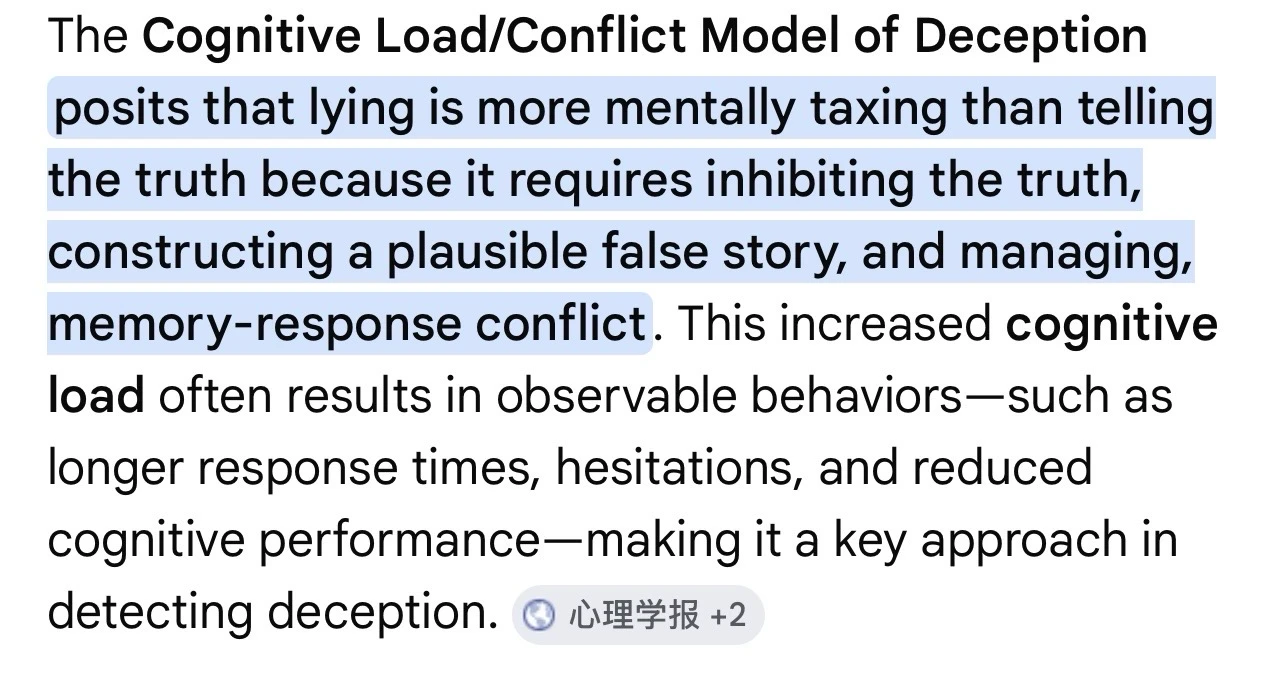
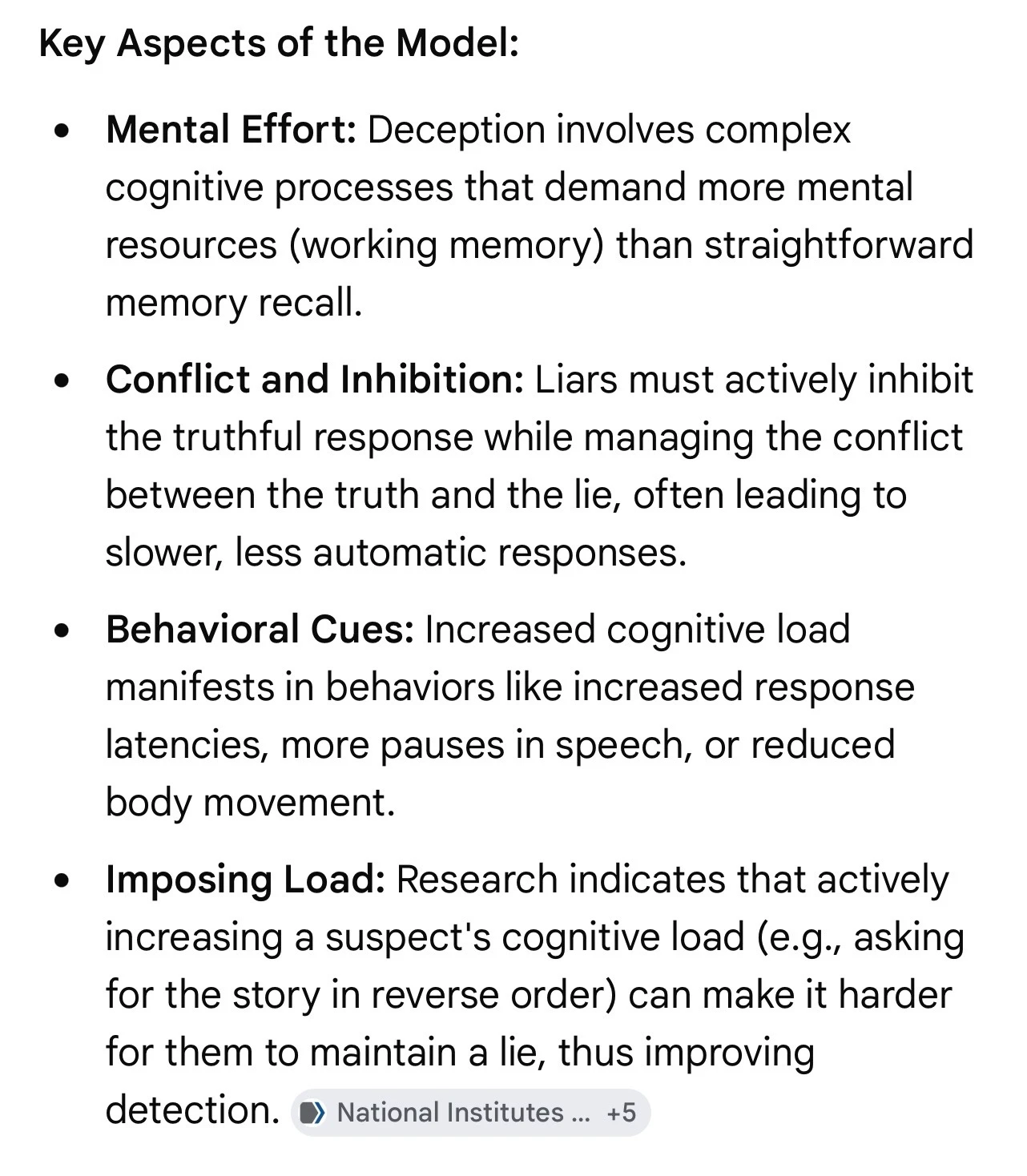
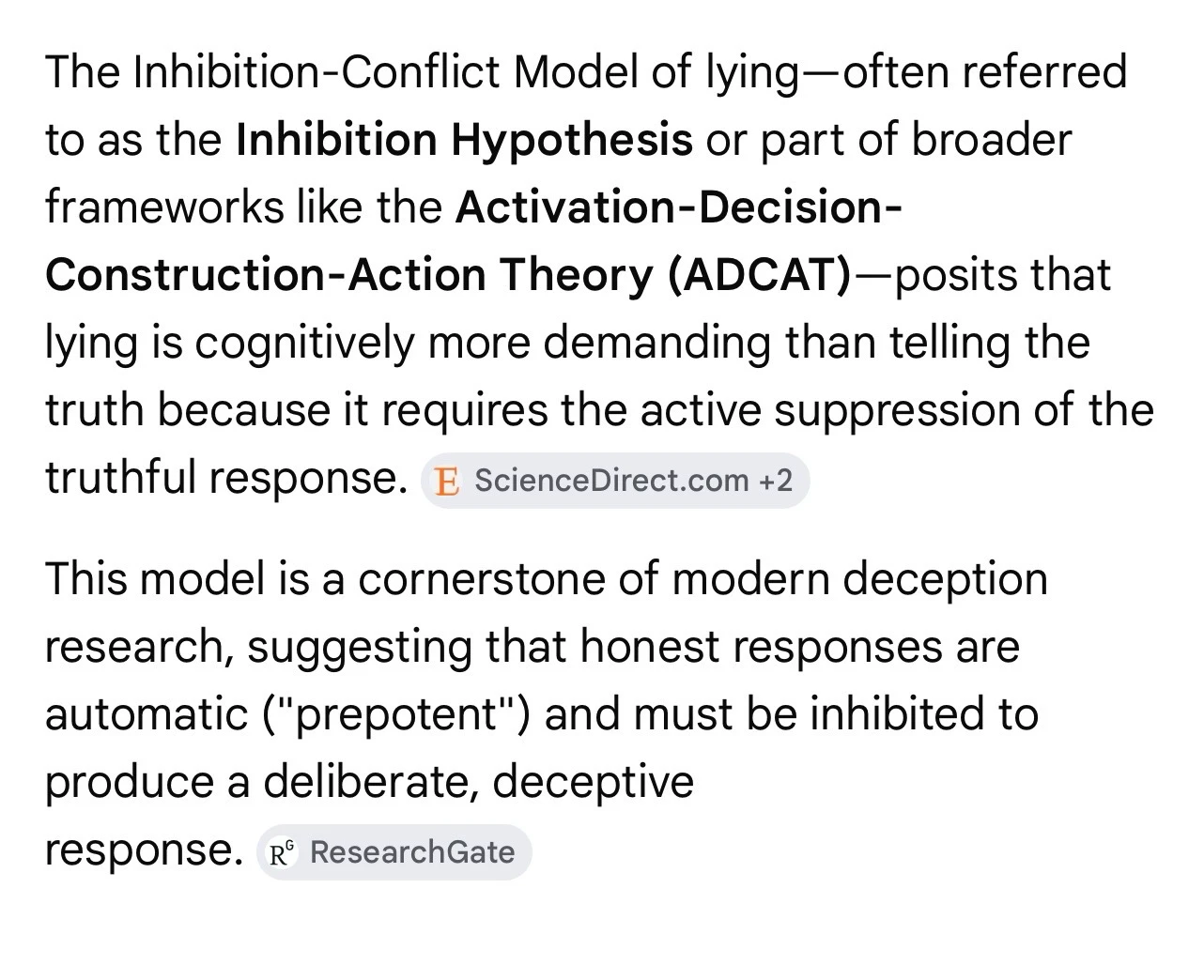
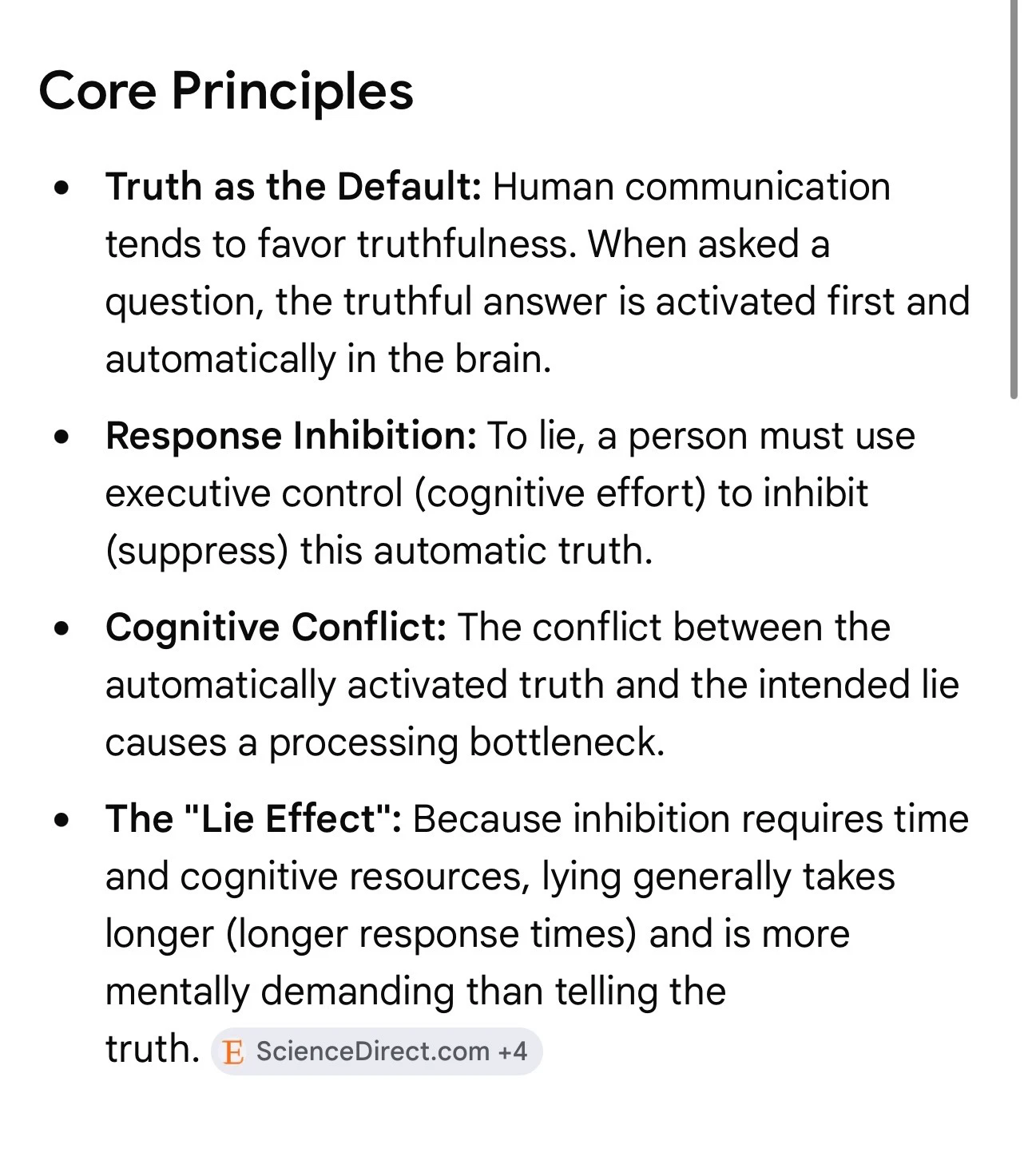
“The Dunning-Kruger effect is a cognitive bias where people with limited knowledge or competence in a specific domain greatly overestimate their own skills. It occurs because individuals lack the self-awareness and expertise required to accurately recognize their own incompetence.
The concept is typically broken down into specific psychological phases and dynamics:
The Confidence …
by Wei Wei
• 2 months ago

by Wei Wei
• 2 months, 1 week ago
by Wei Wei
• 2 months, 2 weeks ago
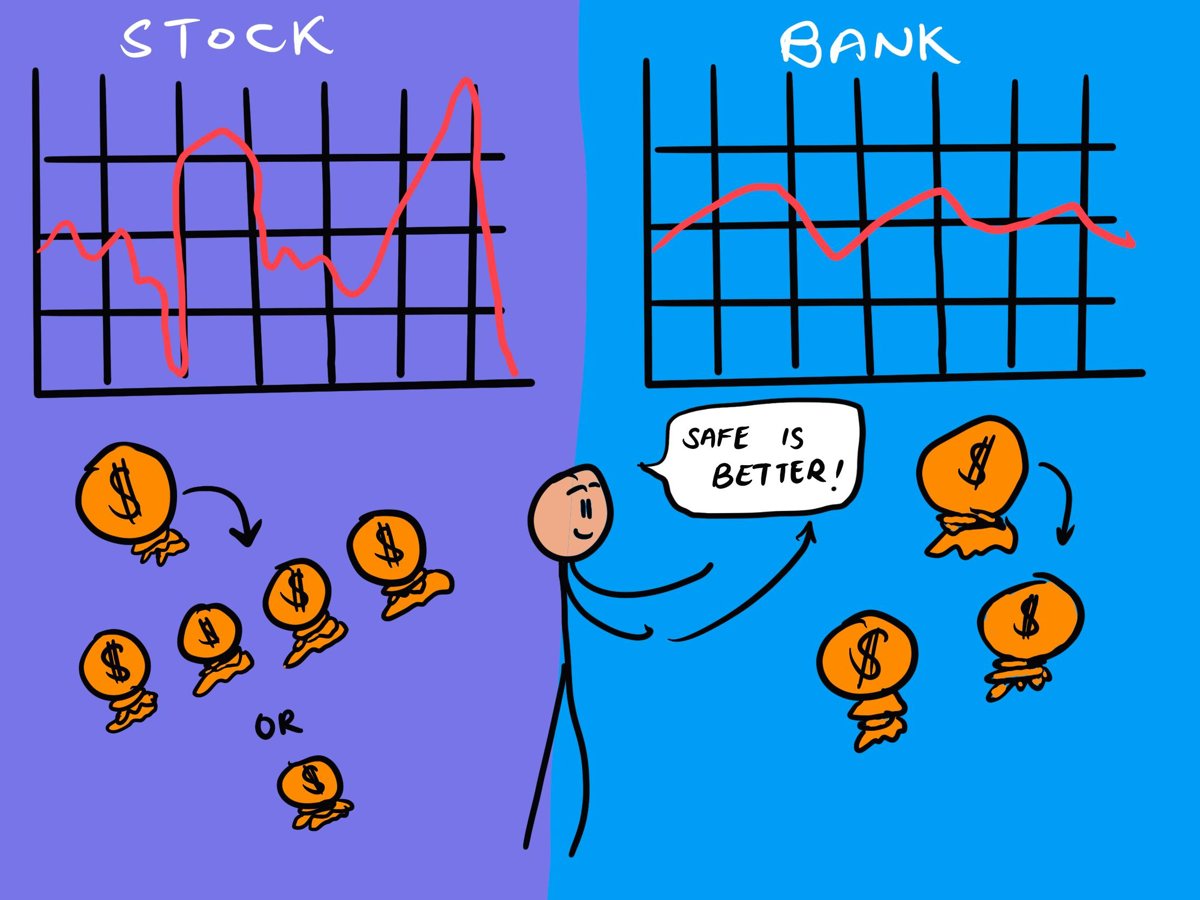
Some neuroscience and psychology studies tried to explain why we reduce everything to our known. I recall the ambiguity effect studied by Ellsberg. The sadhna is to challenge this condition and go beyond.
Here is an article explaining the ambiguity effect: https://thedecisionlab.com/biases/ambiguity-effect
by Wei Wei
• 2 months, 2 weeks ago

by Wei Wei
• 2 months, 3 weeks ago

by Wei Wei
• 3 months ago
What I didn't know was my friend had some "bad news" about her eyes a few …


by Karen Sherbina
• 3 months, 1 week ago


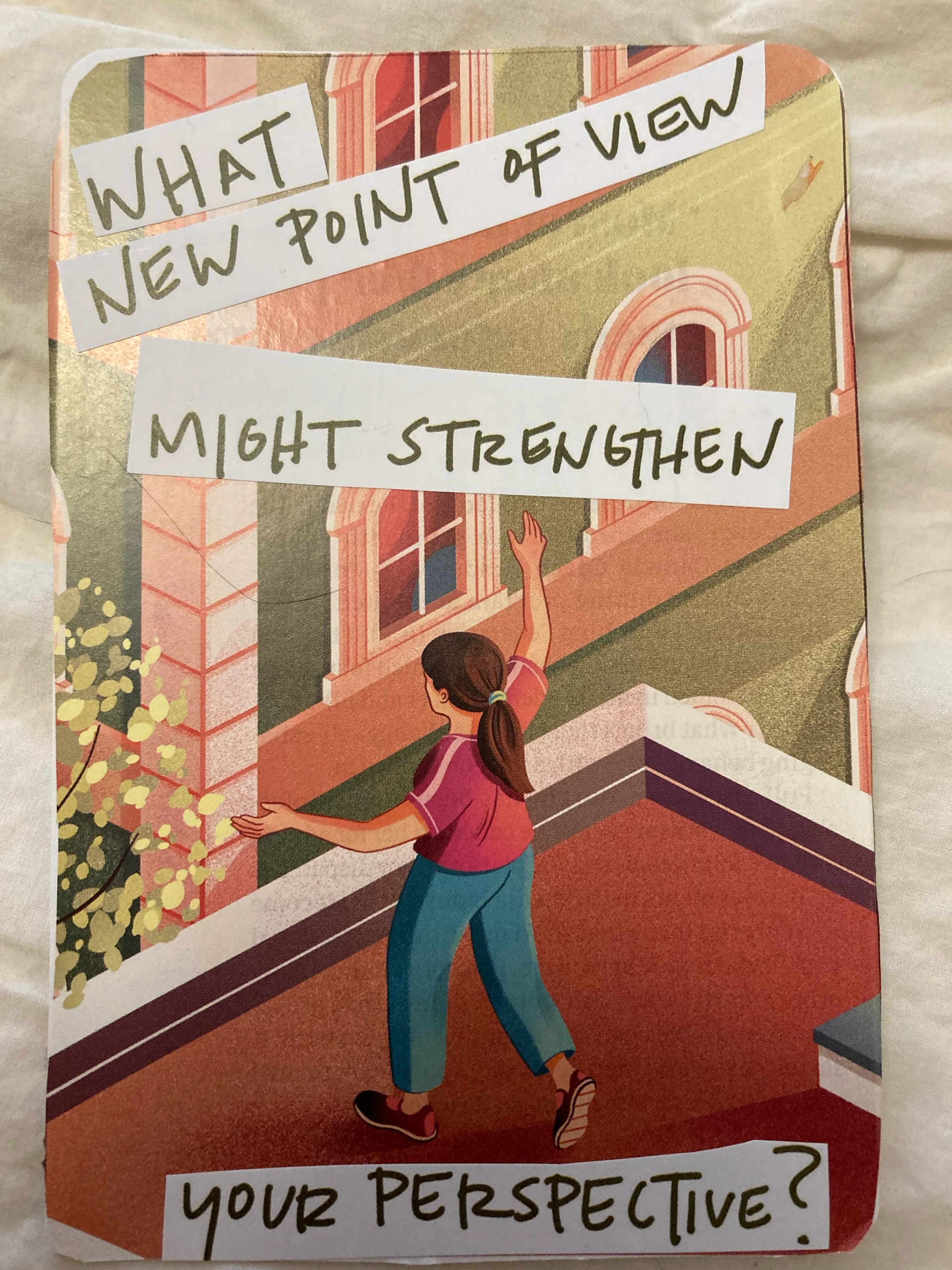
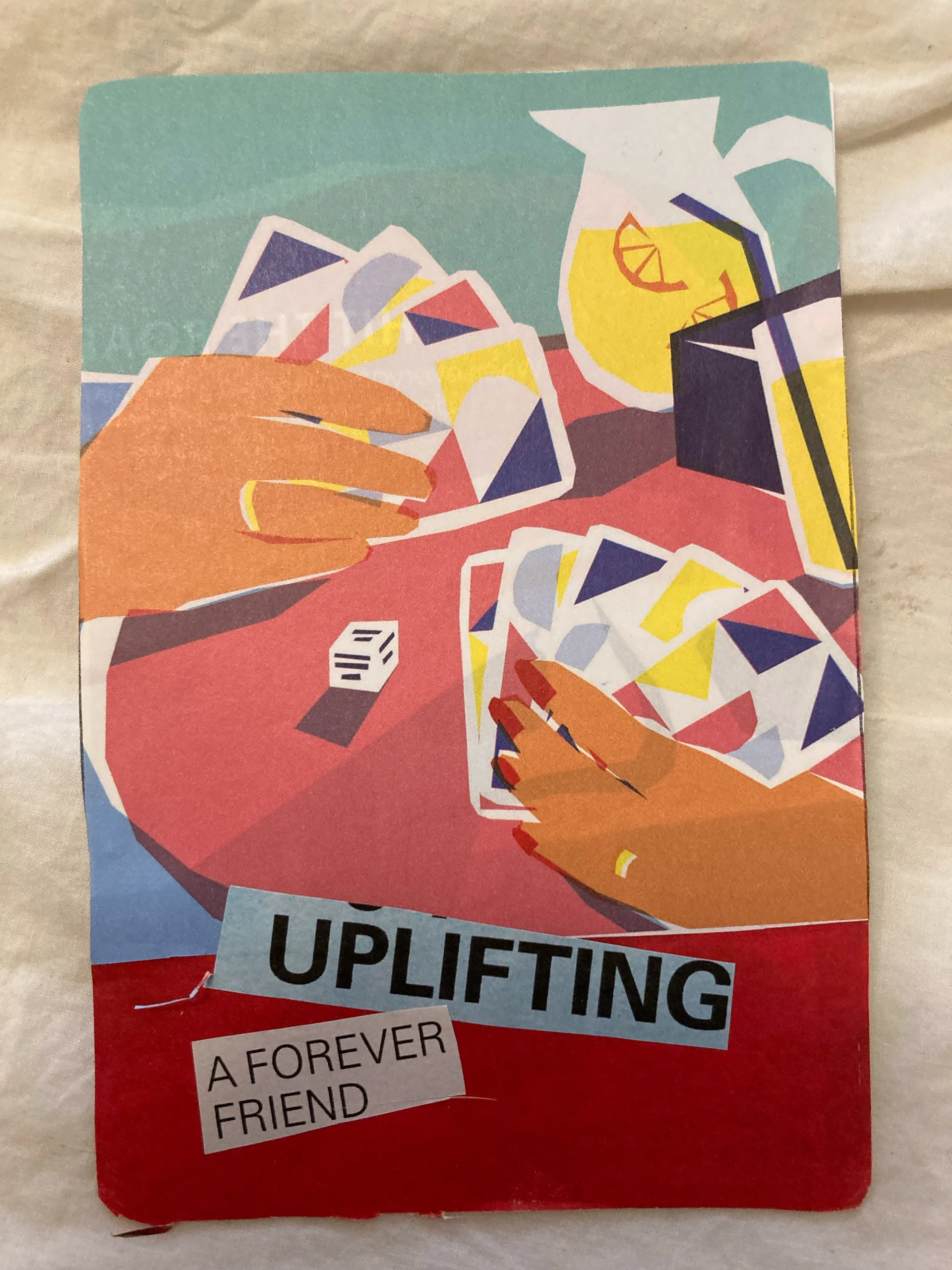
I chose collage as it is easy to do and unstructured or structured depending on you and the day. Also a nonthreatening approach to "art" for many - anyone can cut out pictures and grab a glue stick.
by Karen Sherbina
• 3 months, 2 weeks ago
by Karen Sherbina
• 3 months, 2 weeks ago


by Wei Wei
• 3 months, 3 weeks ago

All of us struggle. What I’ve observed is that the resilience built on this learning momentum is powerful. We can always find our strength through inquiry, curiosity, and exploration. Truth is empowering in this …
by Wei Wei
• 4 months ago





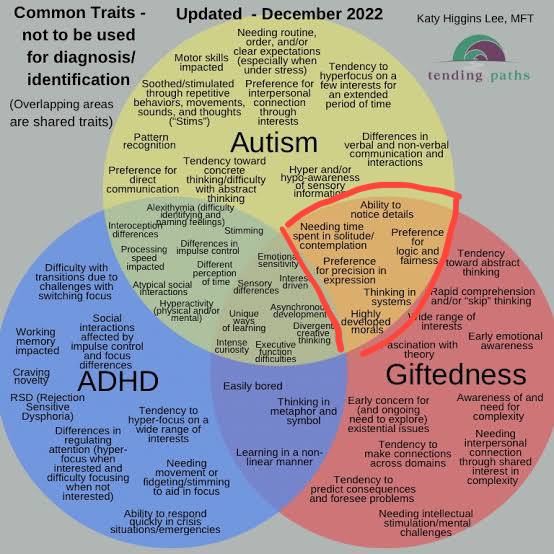

I think certain distinctions also need to be put into consideration regarding such situation. First, one fact is everyone reacts, that’s inevitable for a human being when some discomfort occurs. It’s embedded in human race’s biological system as we are still an evolving race.
Then how to distinguish whether it’s a narcissistic behavior or a common reaction of …
by Wei Wei
• 7 months, 3 weeks ago
In my past training programs, some therapists would repeatedly …
by Wei Wei
• 8 months ago
What I was seeking for many years was experience. I was counting on the places I went, the people I met, and the experiences I had to determine who I am. Now, as I study creation and practice, I see that the experiences are irrelevant. What I choose to do and what has to be done are not dependent on the experience, and are not for the experience. A creator wakes up to the creation at hand, despite the experience, then we create the experiences instead of getting experiences, or craving for the experiences.
by Wei Wei
• 8 months ago
by Wei Wei
• 8 months ago

I was listening to a podcast about AI, and one AI scientist said a sentiment:” The real intelligence is not taught by another, it must be generated from one’s own observation, experience, one’s trials & errors. “ So knowledge is not intelligence. It got me to relook at learning. For example, I am learning photography; the work of great photographers doesn’t define what photography is for me. Their work is revealing their ways of observation, their experiences, which is what I have to contemplate …
by Wei Wei
• 8 months ago
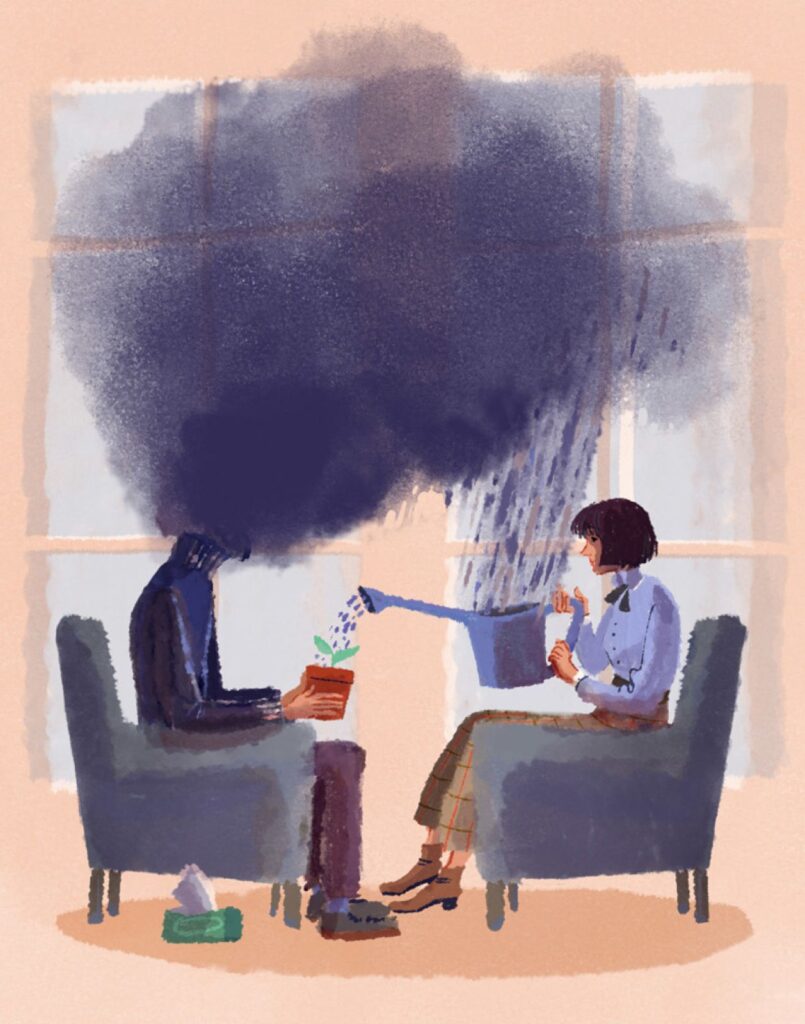
by Wei Wei
• 8 months ago
“用核磁共振仪器对放松状态下的人脑进行观测时,你会看到一些大脑区域的连接,它们在银灰色的背景中发出光亮,这就是默认模式网络。可以说它是人类产生意识活动、感到厌倦或做白日梦时的默认状态,简单来说就是自我。
如果躺在一台核磁共振检查仪器里,你的思绪会飘到何处?大多数人都会思考过去、计划将来,比如思索与身边人的关系、要处理的事务或身上的脓疱。科学家发现,抑郁症、焦虑症和复杂性创伤后应激障碍患者的默认模式网络会过度活跃。这合乎情理,因为默认模式网络坐镇责任感和不安感,如果过度活跃,它就会成为一股惩罚性的力量,让人陷入有害的执念和自我怀疑之中。
抗抑郁药物和致幻物质可以显著抑制默认模式网络的活动,但对于默认模式网络过度活跃的人来说,最有效的治疗还是正念认知疗法。原理很简单:默认模式网络的启动需要占用大脑资源,当它变得过分活跃时,你可以将所有的大脑能量转向外部事物(比如做一份非常难的数学练习卷),从而切断默认模式网络的能量来源,使其短路,因为大脑资源无法同时聚焦于内部和外部。当然,如果默认模式网络已经启动,再想安下心来解数学题可不容易。我曾尝试了好几年所谓的“默认模式网络关闭器”——做一些类似解数学题的事情来分散注意力,也有人试图通过喝酒或吸烟来达到类似效果。
关闭默认模式网络还有一个好处。当自我不再发声时,自己和别人之间的关系便解除了,我们由此能轻松进入一个更为宏大的相互联系状态,感受到自己从属于哪里——一个社会或世界,它远比自我庞大,却在最基本的人性上与我们相通,这样就更易于我们想象自己向宇宙释放爱的能量这一画面。我不是在故弄玄虚,这是有科学依据的。”
by Wei Wei
• 8 months ago

by Wei Wei
• 8 months ago
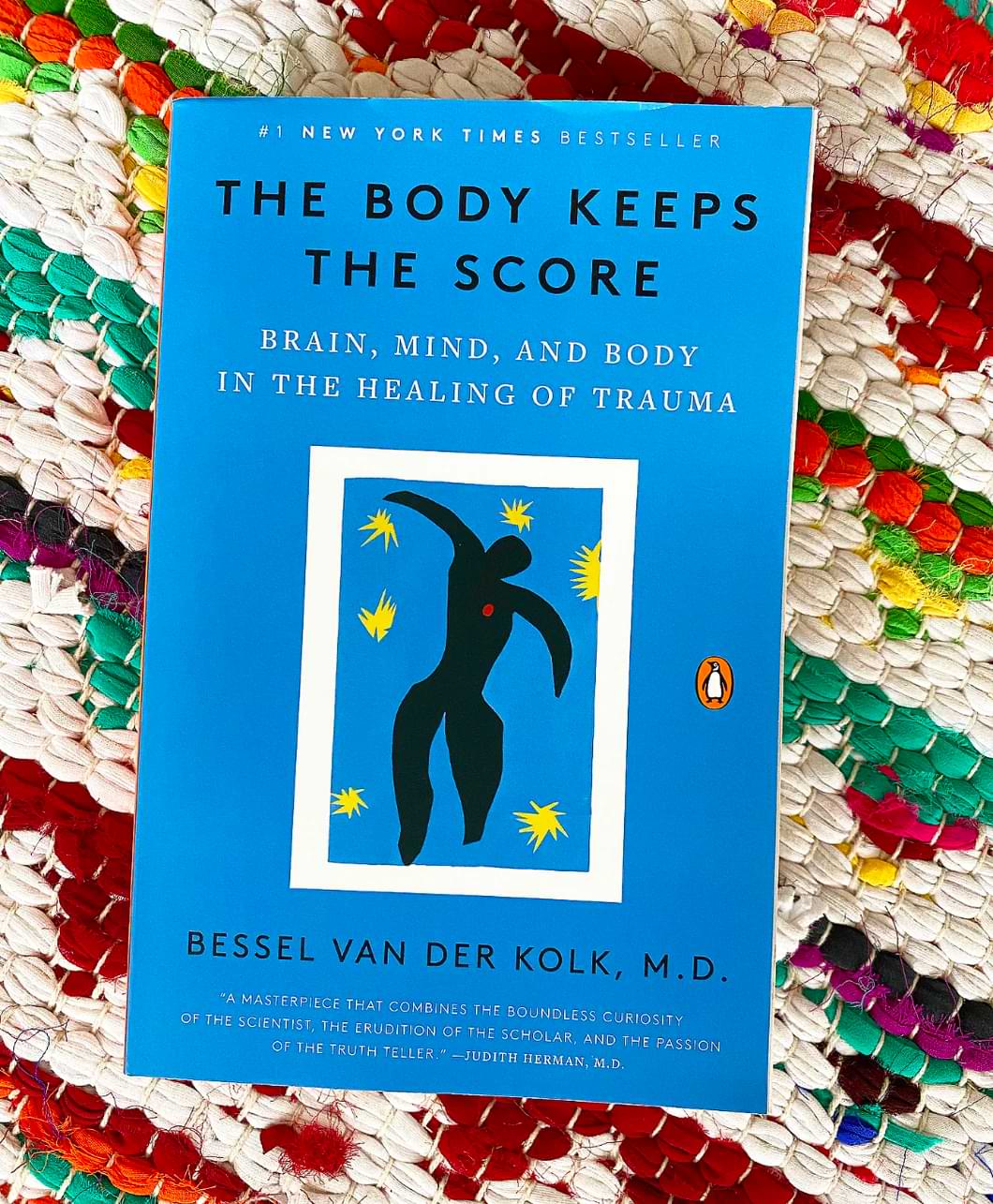
Trauma is not a curse or a weapon. It’s so common and so inevitable in a human being’s lifetime, which demands us to walk through and go beyond it one day. Then, we might discover that those traumatic life events didn’t touch us and …
by Wei Wei
• 8 months ago

That’s what I’ve observed in my clients as well. I witnessed clients strive to change because they desire to love themselves, their partners, children, friends, pets, etc. When we fail to change or learn, we possibly haven’t addressed our incapacity of loving others and ourselves. People who change/transform are the ones who can love …
by Wei Wei
• 8 months ago